One in Seven Homes in Japan Is Vacant — roughly nine million 'akiya' amid depopulation
Around nine million dwellings — 13.8 percent of the housing stock — are empty; many require costly repairs despite symbolic sales prices.
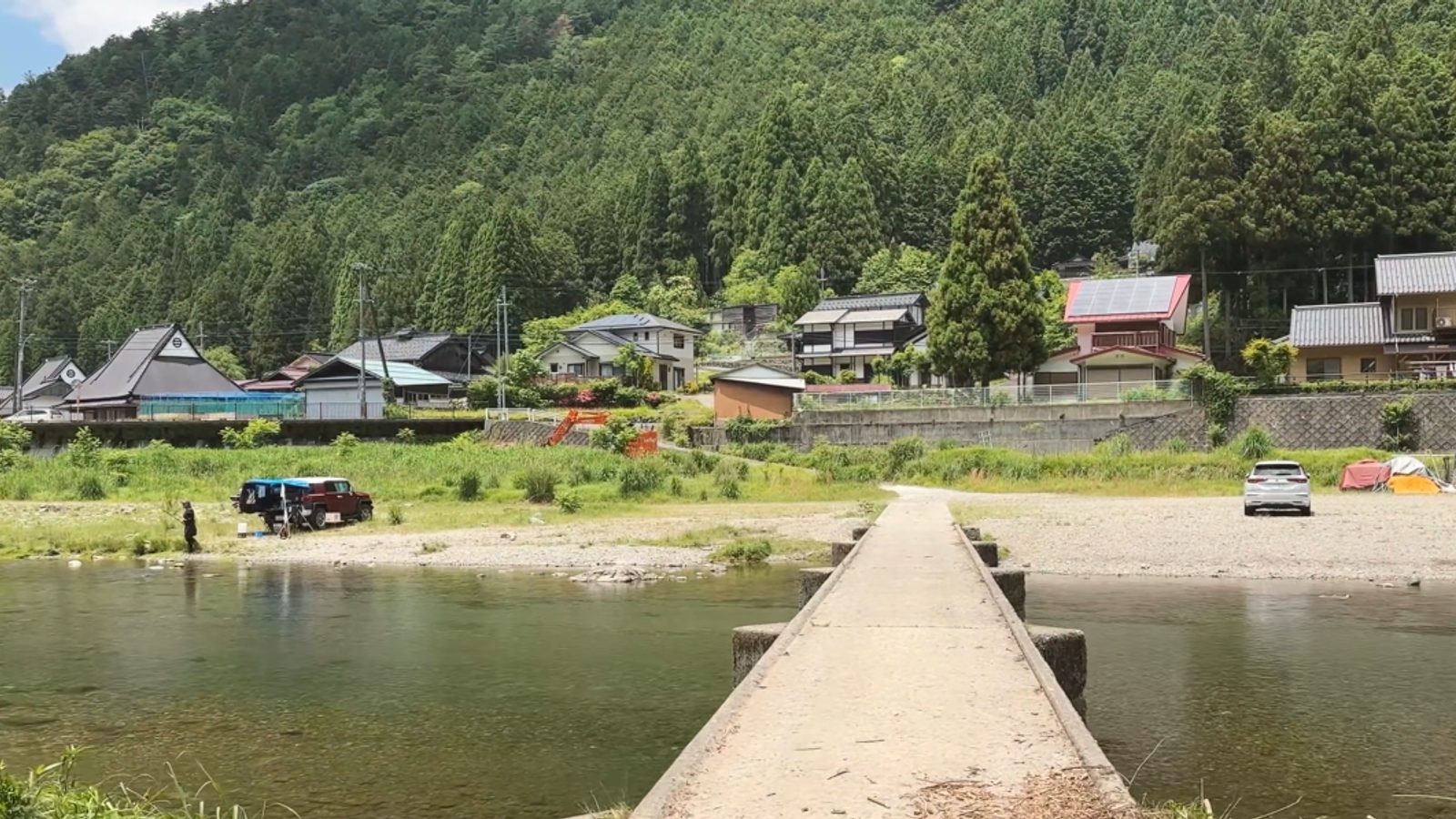
Japan is facing a widening housing surplus: roughly nine million dwellings sit empty, equal to 13.8 percent of the country’s housing stock, according to official tallies. Many of those properties are known as akiya — empty houses that have no tenant or second-home use; about 3.85 million of them are effectively abandoned.
The phenomenon is not limited to remote villages. Rural prefectures feel the strain most intensely — in Wakayama and Tokushima roughly one in five houses stands vacant — but even Tokyo records a large number of empty units, approaching one million vacant residential spaces.
Why so many houses have so little market value
A central explanation lies in how housing is valued in Japan. Unlike many European markets where an older house can retain or grow in value, Japanese residential buildings are commonly treated like cars: they depreciate significantly over time. After 20 or 30 years the structure itself may be worth very little, while most of the property’s market value remains tied to the land beneath it. That makes buyers prefer new construction, leaving older family homes in smaller towns hard to sell.
That market logic is amplified by demographic decline. Preliminary census data show Japan lost about three million residents over five years, with population drops recorded in 45 of 47 prefectures; only Tokyo grew. The twin forces of out-migration toward big cities and a shrinking population are steadily increasing the number of empty homes.
Some listings appear startling on paper: properties offered for a symbolic one yen or even given away free. In practice, the low purchase price can be misleading. Older structures often need extensive renovation — agencies recommend buyers budget at least 50 to 100 percent of the purchase price for repairs, plus maintenance, taxes and registration. For example, a house bought for three million yen could realistically require a total investment of six to nine million yen.
Typical inland prices for existing houses range from 500,000 to five million yen (approximately 2,700 to 27,000 euros), while a new home averages between 35 and 40 million yen (about 189,000 to 215,000 euros). Local municipalities sometimes step in with renovation subsidies aimed at making akiya reusable, offering between 500,000 and three million yen to prospective buyers.
Photo: press material from the event