Six months on: How the war has reshaped Iran and the region
Half a year after the February 28, 2026 strikes, Tehran has withstood direct blows, allied militias have strengthened, and the region is testing new diplomatic blocs.
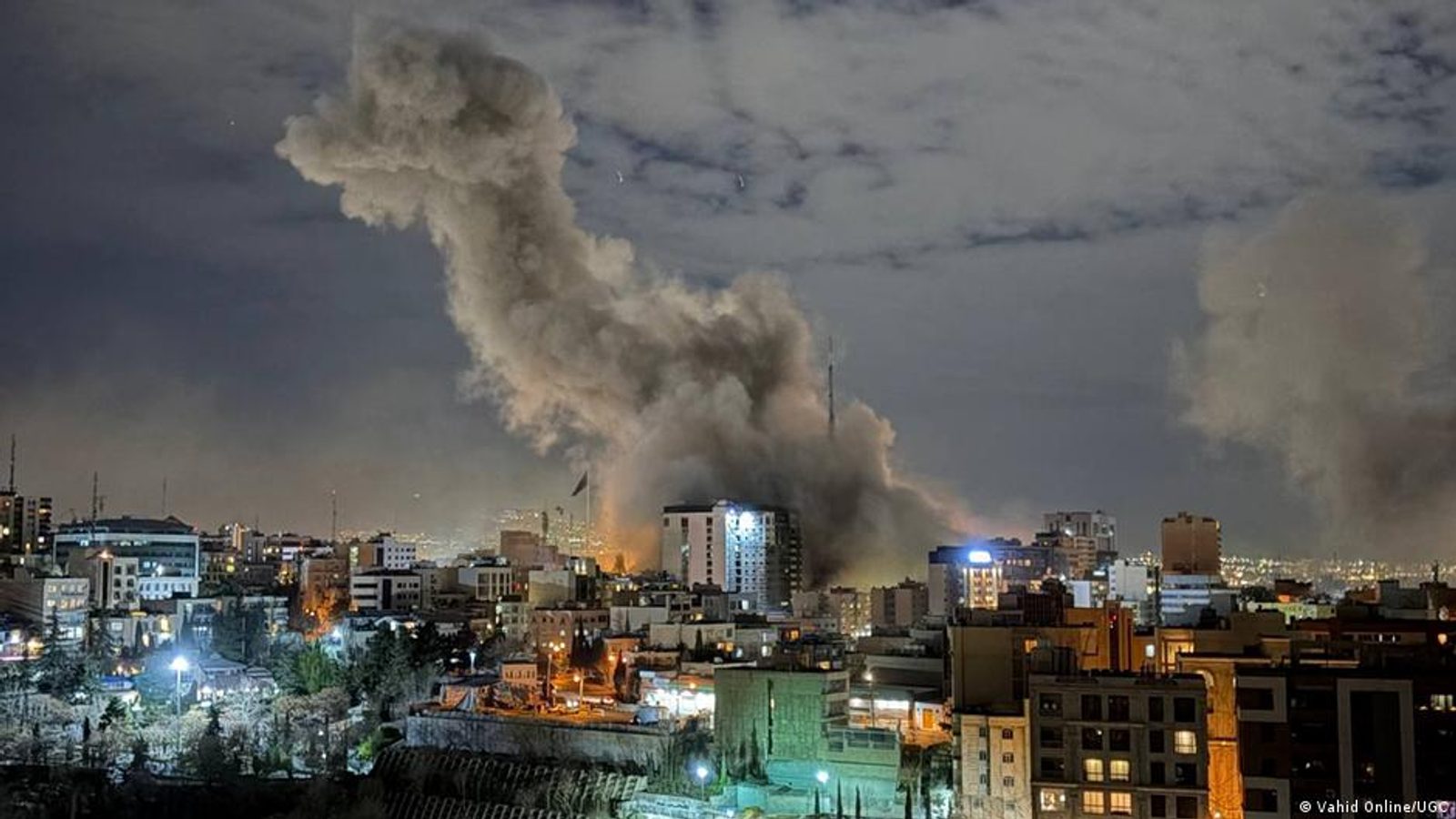
Six months after the joint US–Israeli strikes that began on February 28, 2026, Iran and the wider Middle East appear changed in ways few predicted: the Islamic Republic has proven more resilient than its attackers expected, regional militias have consolidated influence, and long-standing alliances are being reconsidered.
From immediate strikes to a prolonged regional crisis
When US President Trump and Israeli Prime Minister Netanyahu ordered the first attacks on February 28, 2026, they expected a rapid and decisive outcome. Instead, those strikes set off a cascade of diplomatic and military consequences that have persisted into late August.
The immediate military objectives—whether to cripple Iran’s nuclear programme, destroy its armed capabilities, or topple the regime—remained disputed. Many international law specialists have judged the initial attacks illegitimate, and analysts note that the military operation did not produce the quick collapse some policymakers had hoped for.
Nader Karimi, a pro-regime Iranian columnist and former Revolutionary Guard member, captures the new reality succinctly: "Iran cannot easily be neutralized or brought to collapse. Before the war, it was not like that." His assessment reflects a wider sense inside the region that Tehran survived a test even when confronted by two of the area’s most powerful military actors.
Turkish political scientist Karabekir Akçoyunlu, who researches at Oxford, argues that the outcome has amounted to a regime change — but not the one Washington or perhaps even Israel sought. "From a political perspective, there was indeed a regime change, but in a completely different direction than what Washington, and perhaps Israel, wanted," he says, noting that the new leadership appears more radical and more hard-line.
That shift at the centre has not weakened Iran’s network of allied militias. "The groups in Yemen, Lebanon and Iraq still stand with Iran. Their support has not weakened; rather it has grown stronger, and they even harbour a certain nostalgia for Iran," Karimi says, while conceding that "they 'lost Lebanon'." The Houthi movement in Yemen, Hezbollah in Lebanon and Shiite militias in Iraq have continued to operate and, in several cases, intensify their activities.
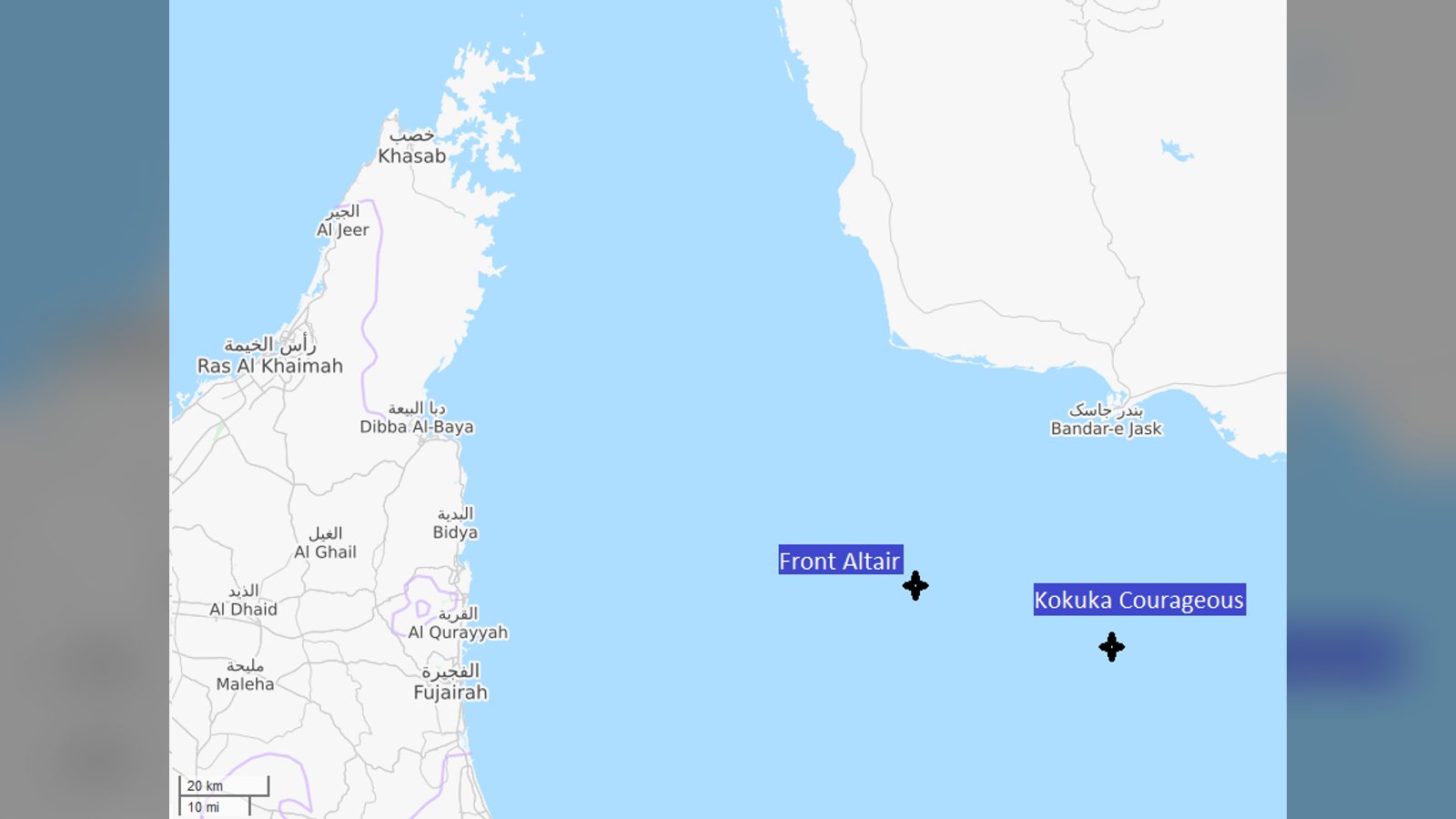
Tehran has also weaponized geography: pressure on the Strait of Hormuz and targeted strikes against US bases and Gulf states have demonstrated the leverage Iran retains over global energy routes. The blockade threat to the Hormuz chokepoint remains a potent bargaining chip that can disrupt oil exports from the Gulf and unsettle world markets.
In the diplomatic arena, states across the Middle East have looked for new partners. Analysts point to emerging blocs such as the so-called "Mecca alliance"—Saudi Arabia, Turkey and Pakistan—and a potential revival of a UAE–Israel–India axis. Observers warn that broader engagement by Asian powers, including China and India, could reshape regional balances further.
For a sustainable peace to take hold, most analysts say, a comprehensive deal among Iran, Israel and Gulf states will be necessary — backed by consistent US policy and by at least one other major power willing to underwrite the process. Without such a framework, episodic attacks, insecurity and regional instability are likely to continue.
By Tina Fuchs, Istanbul
Photo: press material from the event