Spain leads in protecting women from violence: over 4,000 men wear electronic ankle monitors
A national data system (VioGen), specialised prosecutors and civil-society pressure underpin Spain's approach; last year 48 women were killed by partners.
Spain is widely regarded as a European leader in preventing violence against women, relying on a layered system that links police, courts, prosecutors and specialised civil-society partners. One visible element is the court-ordered electronic ankle monitor: today, >4,000 men across the country wear such devices as part of protective measures.
From a national trauma to a structured system
The push for change in Spain traces back to a high-profile murder in 1997: 60-year-old Ana Orantes was brutally killed by her former partner days after she had described long-term psychological and physical abuse on television. That killing helped turn public outrage into sustained legal and institutional reform.
"The women's movement and civil society were the ones who protested for changes to the laws," says Marisa Soleto, a lawyer and president of Fundación Mujeres. Foundations like hers now act as regular partners and contact points for public institutions, pressing for further improvements in protection and prevention.
Spain's approach combines specialised prosecutors for gender-based crimes, police training, offender-focused prevention and a data-driven risk-monitoring platform named VioGen. "Women today are more prepared to go to the police and report," says Leticia Mataranz of Spain's Ministry of the Interior.
"In our system we currently have around one million records," Mataranz adds. When a woman files a complaint the alleged perpetrator is registered in VioGen, an algorithm estimates risk, and authorities adopt protective measures – one of which, when ordered by a judge, can be an electronic ankle monitor. According to the ministry, more than 4,000 men in Spain currently wear these devices.
Statistics show a decline in femicides in Spain overall, yet last year 48 women were killed by a partner or ex-partner. Authorities point out that no femicide has so far involved an offender wearing an ankle monitor. By contrast, Germany recorded 308 female homicide victims in 2024, a number law-enforcement analysts say reflects both increased reporting and a real rise in some types of gendered violence.
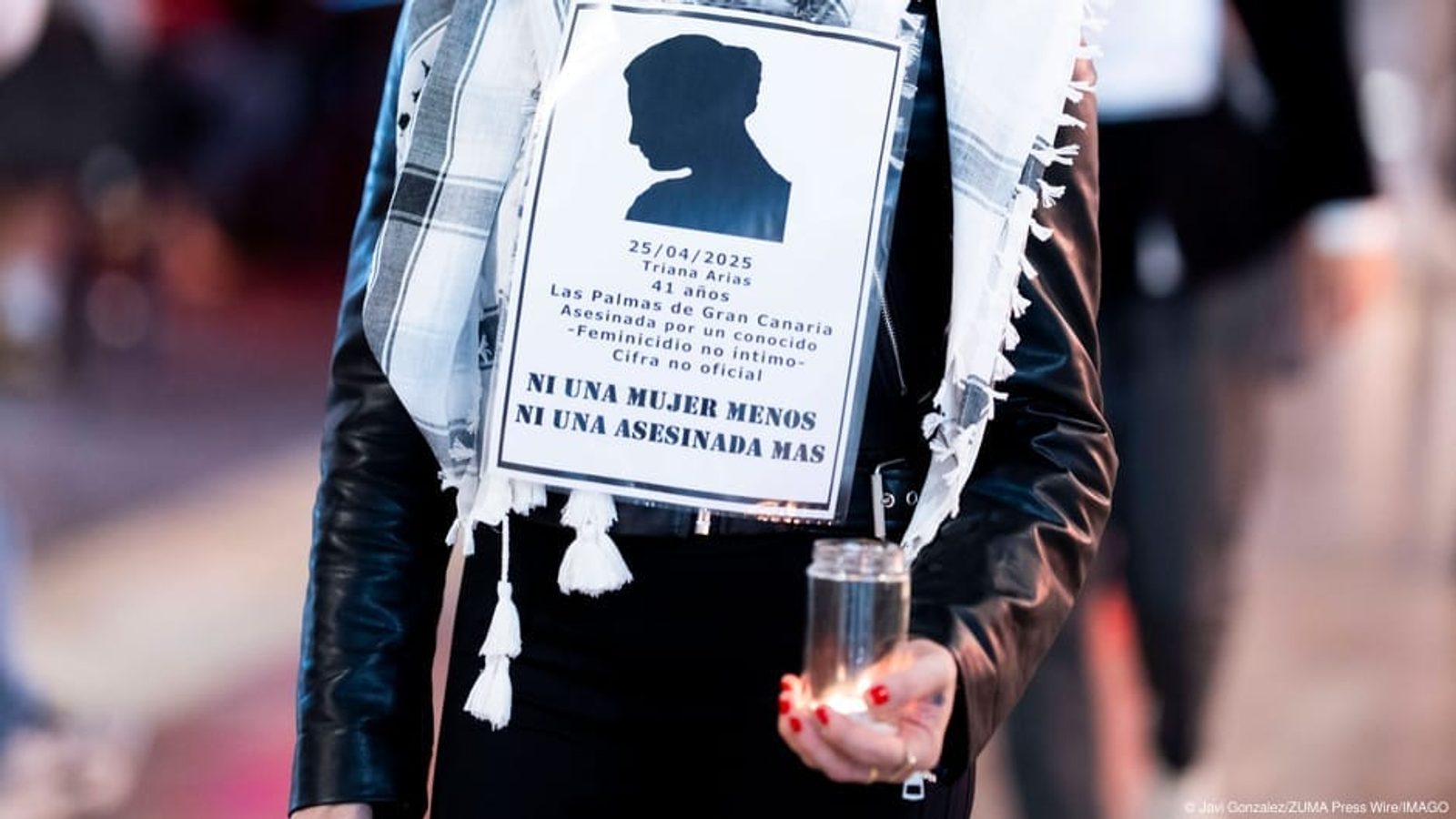
Public awareness measures also form part of Spain's model: after each confirmed femicide the Spanish parliament observes a minute of silence — a ritual some experts say could help keep public attention focused. "Spain shows that it is possible to change social awareness," says Patrick Lisching, deputy president of Weisser Ring, an organisation that assists crime victims.
Photo: press material from the event