Spain apologises to Ceuta residents and announces migration and asylum law changes
Madrid apologised after at least 72,000 people reached Ceuta on 30–31 July; measures include shorter checks and a two-tier asylum system.
Spain's government publicly apologised to residents of Ceuta and announced changes to its migration and asylum laws after a mass crossing from Morocco at the end of July.
"I want to apologise to all those who may have felt, or still feel, abandoned or insufficiently cared for. I saw first-hand your feelings of distress, abandonment and insecurity," said Defense Minister Margarita Robles as Madrid sought to calm local outrage following the incident.
Large flows and local strain
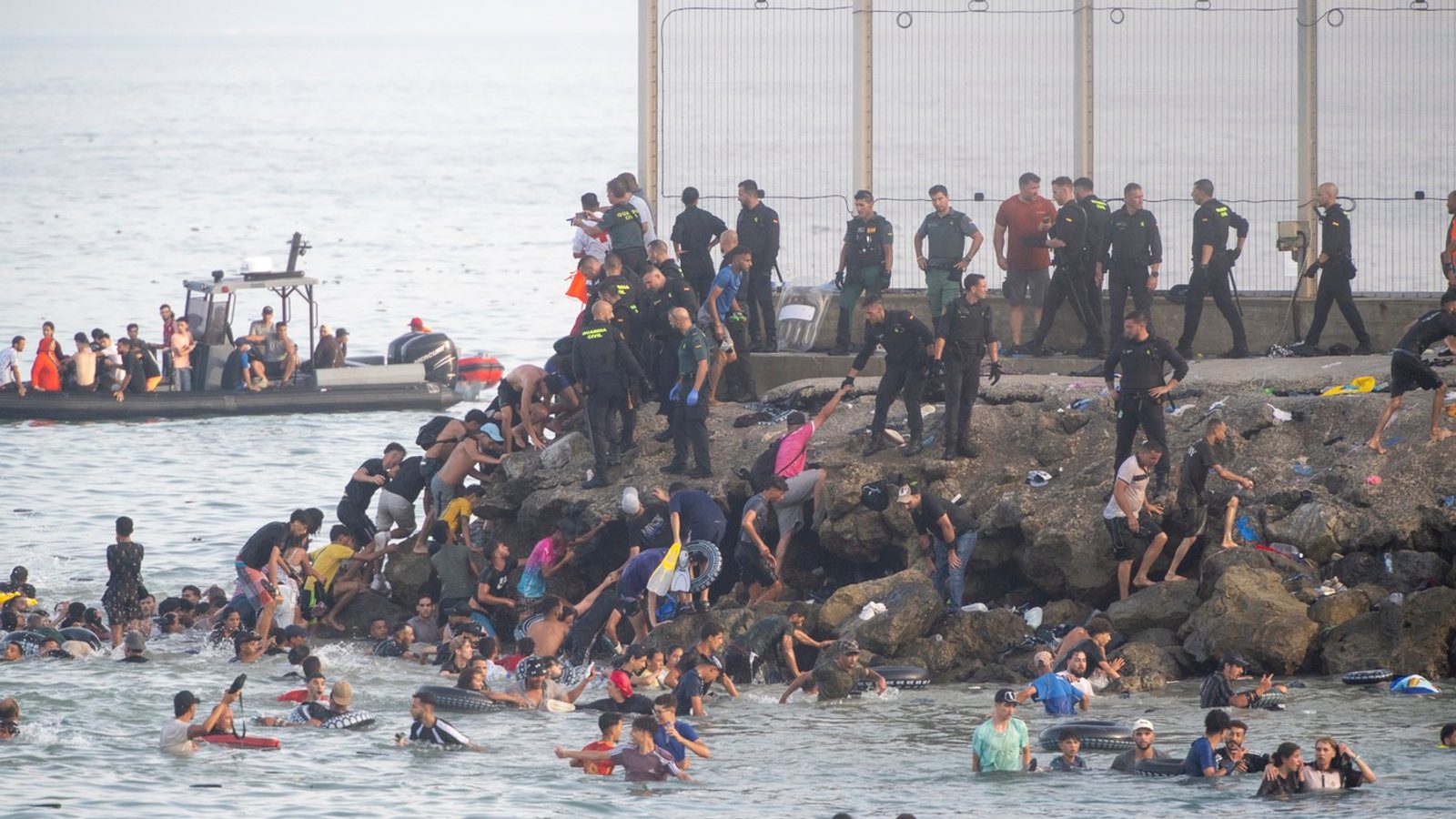
At least 72,000 migrants crossed from Morocco into Ceuta, the Spanish enclave in North Africa, on 30 and 31 July. According to the mayor of Ceuta, Juan Jesús Vivas, at least 100 people died during the mass crossing.
Most of those who arrived were returned to Morocco within hours, but several thousand remained in Ceuta, including a large number of children; many spent nights on streets and beaches. The situation placed intense pressure on the government of Prime Minister Pedro Sánchez and prompted warnings from local authorities that conditions were becoming unsustainable in a city of roughly 84,000 inhabitants.
The central government declared the events a matter of national security, centralising crisis management. Ángel Víctor Torres, the Minister for Territorial Policy, was put in charge of coordinating the response while local authorities were relieved of those duties.
Parallel to the operational measures, Spain said it would modify migration and asylum rules. Interior Minister Fernando Grande-Marlaska said the reforms should ensure full alignment with new EU rules and create a more orderly and efficient process "with all possible guarantees." One proposed change would limit the time for medical, biometric and legal checks of undocumented migrants after arrival to a maximum of three days—EU rules currently allow this procedure to last up to seven days. The government also plans a two-tier asylum processing system that could speed up urgent cases.
Photo: Europa Press/ABACA / Abaca Press / Profimedia