Spanish police clear migrant camp on Trampolin beach in Ceuta
About 3,000 people removed from makeshift shelters on Trampolin beach; operation carried out with army support ahead of a planned royal visit.
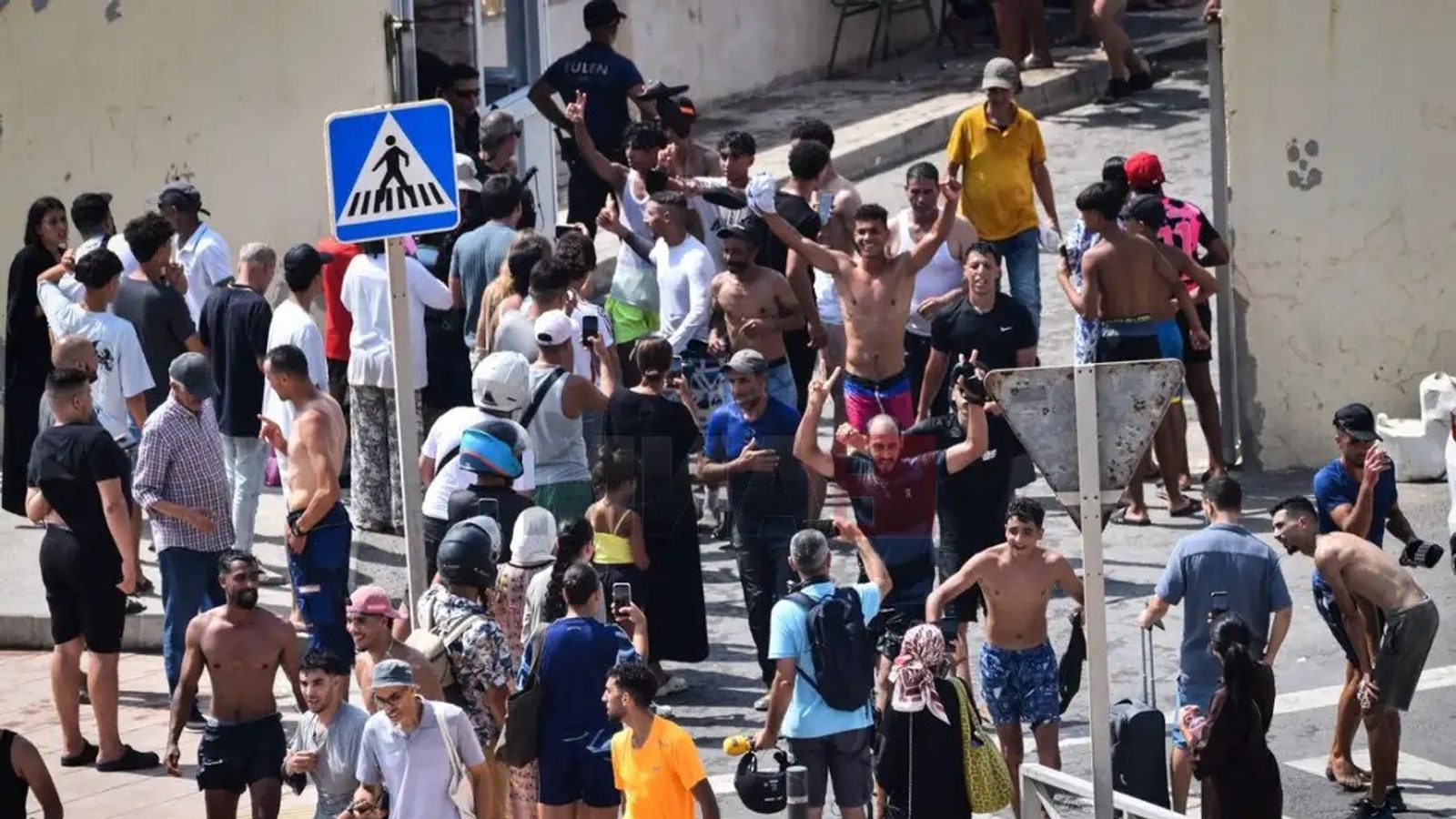
Spanish police, supported by the army, completed the clearing of a large migrant camp in the Spanish exclave of Ceuta on October 5, 2026. Authorities removed roughly 3,000 people who had been living in improvised shelters on Trampolin beach since the end of July.
Operation ahead of planned royal visit
The operation took place a little over a week before a planned visit by the Spanish king and queen to the North African enclave. Officials said the clearance involved police units and military assistance to clear the shoreline encampments.
Spanish local reporting named the Trampolin area as the main site where migrants had camped. The government has previously said that on July 30–31 as many as 80,000 migrants arrived in Ceuta from Morocco; most later returned but thousands have remained in the exclave.
Police transported migrants by bus to the Tarajal border crossing. There, people were offered two options: immediate voluntary return to Morocco, or registration to be placed in a tent camp later on. Many migrants are distrustful of registration, fearing it would make deportation back to Morocco — considered a safe country of origin — or to their home state more likely.
Those concerns also extend to biometric data: migrants said giving fingerprints or other biometric identifiers could ease future identification and removal even if they reach mainland Spain or other EU states.
Spanish public broadcaster RTVE reported that on the first day of the latest clearance about 600 Moroccans voluntarily left Ceuta. On the second day, many of roughly 3,500 people who had been living for months in plastic-sheet shelters on the beach slipped away into surrounding woods.
The German NGO Mission Lifeline sharply criticized the Spanish authorities' tactics. "Under pressure and surrounded by police acting with excessive force and using armored vehicles, it cannot be described as voluntary action nor a regular legal procedure," said Nolte Bauer, head of the NGO based in Dresden.
Photo: press material from the event