What German Muslims Say About the Attack on CSD in Berlin
Muslim leaders in Germany reacted with shock and solidarity after the July 25 attack, while pressure grows to name Islamist motives and prevent radicalization.
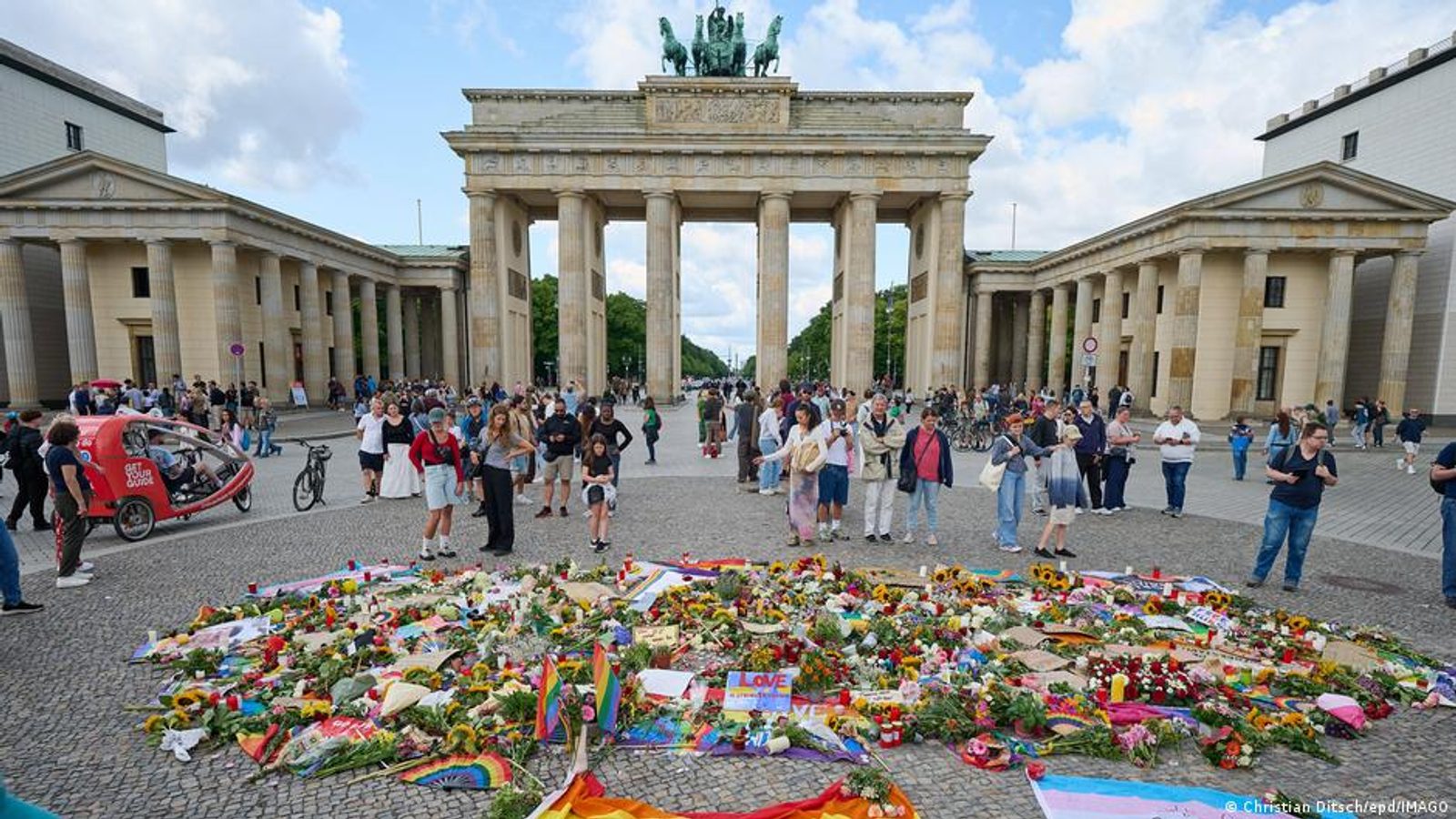
After the terrorist attack on Christopher Street Day (CSD) in Berlin on the evening of Saturday, July 25, 2026, German Muslim communities reacted with shock, condemnation and calls for a self-critical approach to radicalization. The attacker — 21-year-old Abdul B. — was located and killed by security forces on Sunday night.
Condemnation, solidarity and a traffic light for language
Some of the first official reactions came from local imams and Muslim councils who expressed sympathy with the victims and gratitude to the services. As the "Council of Berlin Imams" wrote: "We received with horror and deep shock the news of yesterday’s inhuman attack on CSD," and added: "This act, which we condemn in the strongest terms, shows the terrible consequences of hatred and hostility toward people. Hatred brings nothing good."
However, not all statements immediately named the ideological background as "Islamism." Parts of the public discourse and experts criticized this avoidance. In a more detailed text the Council of Imams later stressed that "religiously motivated extremism ... represents a real danger to our society" and emphasized: "terror, hatred and violence have no religious legitimization. Whoever uses the Islamic faith to commit violence against people because of their identity, beliefs or way of life, even to kill them, does not act in accordance with the ethical principles of our religion."
Muhanad Khorshid, founding dean of the Faculty of Islamic Theology at the University of Münster, warned that categorically rejecting any link between Islam and Islamism can hinder an important debate: "If we categorically deny any connection between Islam and Islamism, then we make the necessary substantive debate more difficult." According to his view, Islamists "appeal to Islamic sources" and therefore a differentiated discussion is needed to strip such ideologies of credibility.
Different communities responded in different ways: the Ahmadiyya community announced public dialogues and an "open Friday prayer on the topic of Islamism"; the president of the Islamic Council, Burhan Kesici, briefly condemned the attack and concluded: "Muslims in Germany stand for peace." The Coordinating Council of Muslims issued a longer statement in which it said it was "deeply shocked" and reminded: "As Muslim religious communities in Germany we strongly condemn all forms of violence, extremism, terror and contempt for people."
Eren Guvercin, vice-president of the Alhambra association, called for more honesty: he spoke of a "conscious decision" by many not to name "the motive of the crime, namely Islamist homophobia," nor "the target of the attack – queer people and CSD." Guvercin says that without a serious internal debate about Islamism, homophobia and antisemitism, young people will seek leadership from Islamist influencers on the internet.
Imams and organizations also point to the growing role of the internet in radicalization and stress the need for early and continuous engagement with young people to provide them with a sense of belonging and perspective. The responses show a community divided between condemnation of the violence, defense against generalizations, and calls for a more open and critical stance toward the ideologies that foment hatred.
Photo: press material from the event