Mala Bogorodica: what rain on the feast day was believed to mean for autumn and winter
On Mala Bogorodica, sunny weather is taken as a sign of a mild autumn and winter, while rain is traditionally read as a warning of a severe winter.
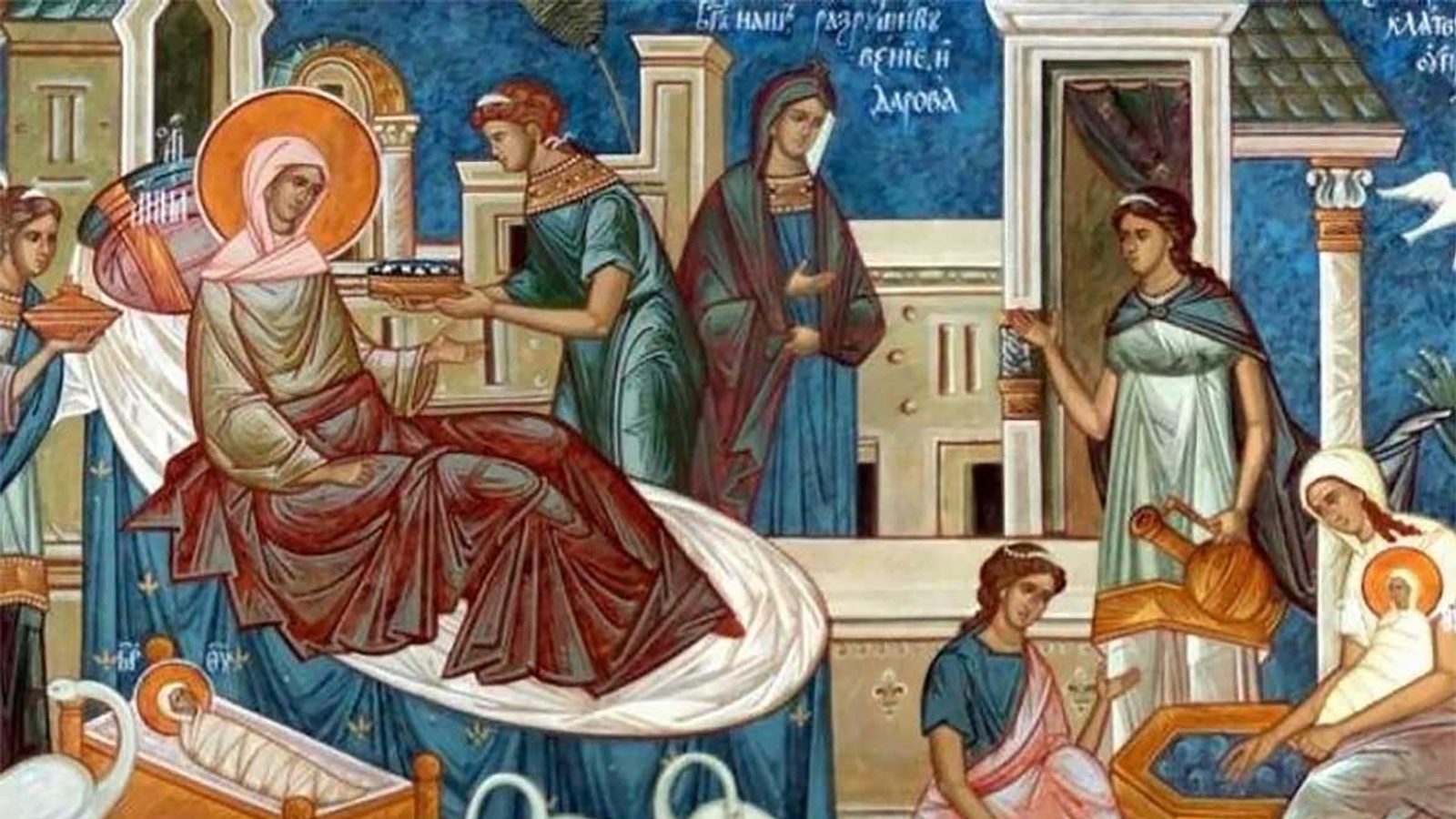
Mala Bogorodica — the Nativity of the Most Holy Theotokos — carries a long list of folk customs in which weather on that day is read as an omen for the coming seasons. For generations, people have watched the sky on this feast, convinced that a sunny day foretells a mild autumn and a drier, gentler winter, while rain is interpreted as a warning of a harsh, cold winter ahead.
Signs from nature and home rituals
Traditionally, families begin observing the weather from the early morning, believing that nature sends visible signs precisely on this date. The day itself is meant to be spent quietly, in prayer and among relatives. Popular wisdom prescribes that women avoid heavy physical labour on Mala Bogorodica and instead devote time to household peace and spiritual matters.
For agricultural communities the feast marked a turning point in the farming calendar. In many areas the period around Mala Bogorodica signalled the start of autumn ploughing and sowing: one chapter of the agricultural year closed and preparations for the winter months began.
The day was also seen as favourable for weddings; autumn nuptials that took place around the feast were believed to bring luck, harmony and a special blessing to the newlyweds. Likewise, fairs, church gatherings and family celebrations have long been part of the holiday’s public life, prompting people to wear their best clothes and mark the occasion with communal rituals.
Another widespread belief concerns medicinal plants. Herbs collected between the Assumption (Golema Bogorodica) and the Nativity (Mala Bogorodica) were thought to possess especially strong healing properties. After Mala Bogorodica, people gradually stopped going into the woods to gather herbs, partly because nature was perceived to be preparing for winter and partly because wild animals became more active.
These customs and interpretations are folk traditions rather than meteorological predictions, yet many families still retell them as part of the seasonal culture surrounding Mala Bogorodica.
Photo: press material from the event