Trump’s deal to allow Russian diesel alarms Kyiv and European allies
The announcement and talk of an "energy truce" have raised questions about market impact, intelligence sharing and U.S. political motives.
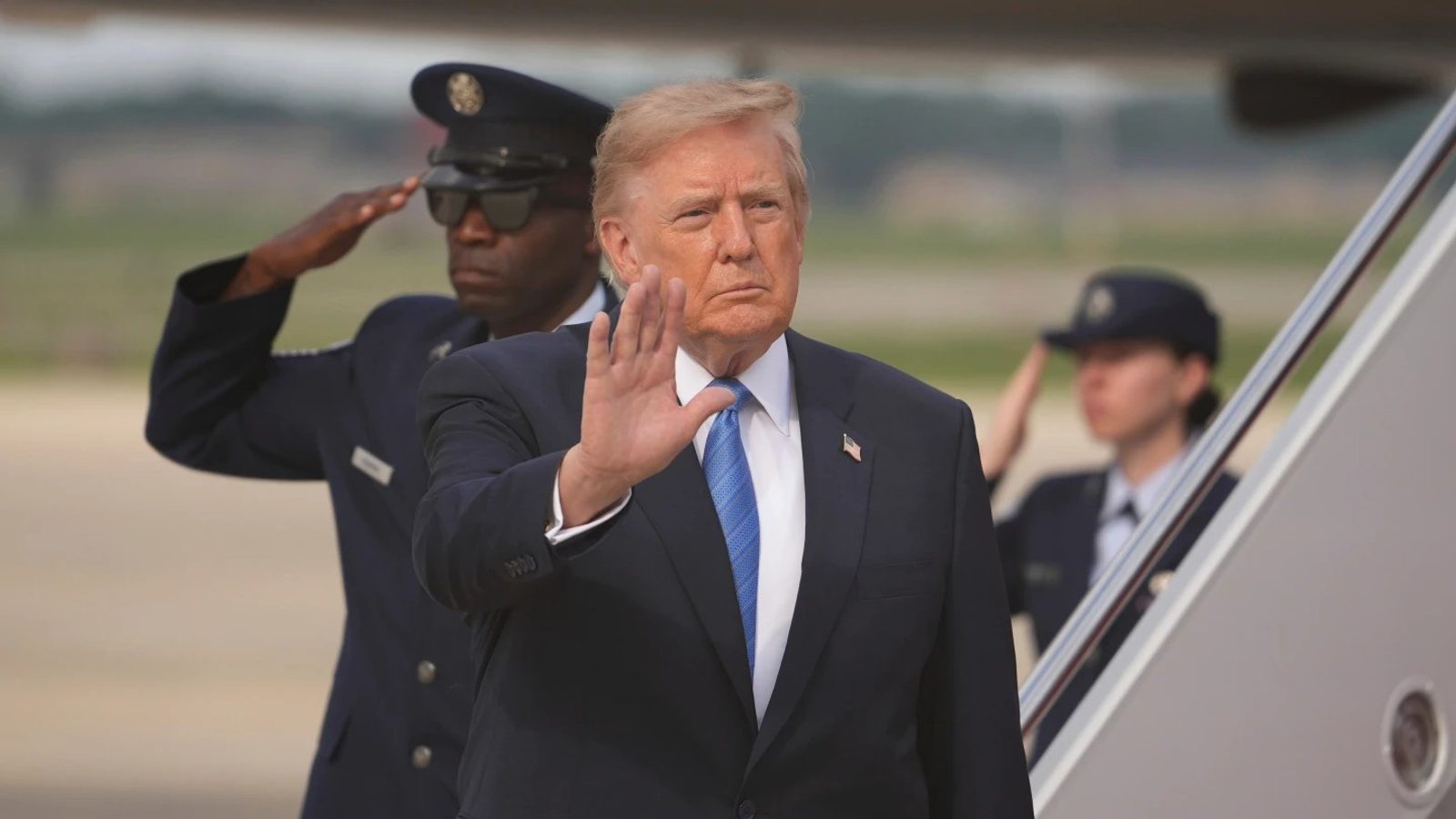
President Donald Trump’s announcement of a deal to allow imports of Russian diesel into the United States and his comments linking Kyiv to stalled talks with Moscow have alarmed officials in Ukraine and across Europe. The measure, together with talk of an "energy truce," has raised questions about U.S. intentions, the short‑ and long‑term effects on fuel markets, and the political cost for Washington’s support of Ukraine.
What the deal says and why allies worry
Trump said the agreement with Moscow would permit U.S. purchases of Russian diesel and include temporary easing of some sanctions. Kyiv publicly rejected the idea that it had been consulted, while President Volodymyr Zelensky said on October 12 that Ukraine is willing to stop strikes on Russian energy infrastructure if Russia does the same: "We thank the United States and support the idea of an energy truce. Now Russia must show that it agrees to such a truce," Zelensky said via video link at the Warsaw Security Forum.
Security analyst Carlo Masala of the University of the Bundeswehr Munich warned that the signals out of Washington show "Trump is not interested in supporting Ukraine at all, but that domestic U.S. politics and relations with Russia matter more to him." Masala and other observers interpret the timing as aimed at influencing voter perceptions ahead of the U.S. midterm elections on November 3, 2026.
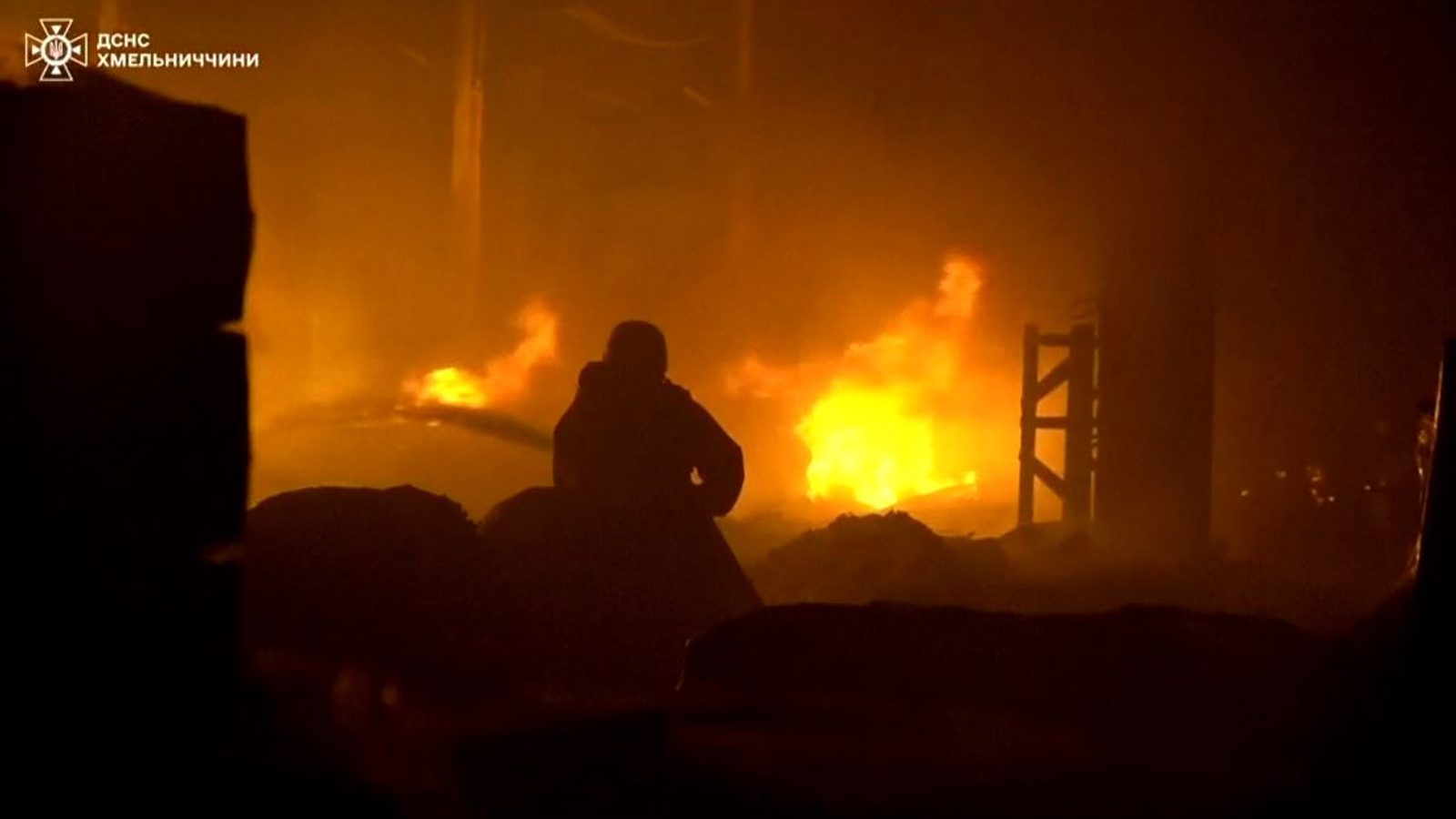
Critics in Kyiv and Brussels fear the main practical benefit to Moscow would be additional revenue to fund the war in Ukraine. The announcement came in a week when more than 150 civilians were killed in Russian strikes inside Ukraine, including attacks on an apartment building in the city of Priluki and on passenger buses in Kramatorsk.
Still, some analysts doubt the deliveries will change the battlefield. "The volume is so small that it will have no effect on prices at all," said Thomas Jäger of the University of Cologne to German television ARD. Jäger argued planned shipments could not supply U.S. diesel demand even for a single day, and would therefore have negligible market impact.
Another concern for Kyiv is U.S. warnings that intelligence sharing and the Prioritized Ukraine Requirements List (PURL) could be curtailed if Ukraine continues strikes on Russian energy sites. Such reporting, attributed in media accounts to senior U.S. officials, has prompted Kyiv to pause attacks in recent days—an action analysts say may indicate the Ukrainian leadership is taking U.S. warnings seriously.
Masala cautioned against overreading a short pause: "One day without attacks does not mean Kyiv will continue to stick to that." He noted that, while European intelligence—especially from France—can partially offset any reduction in U.S. support, American data remain the most comprehensive for planning strikes across the border.
Support for Ukraine remains bipartisan on Capitol Hill. Lawmakers from both parties jointly backed a measure this summer known as the "Lindsey Graham" law to tighten U.S. sanctions on Russia; President Trump signed it in September. Former U.S. diplomat Daniel Fried said: "Trump may oppose it, but political forces—especially after the elections—could force the administration to work toward ending the war using the tools available." The 2022 law banning imports of Russian oil remains another legal barrier to an unfettered energy deal with Moscow.
Photo: press material from the event