Switzerland to reconsider neutrality in referendum
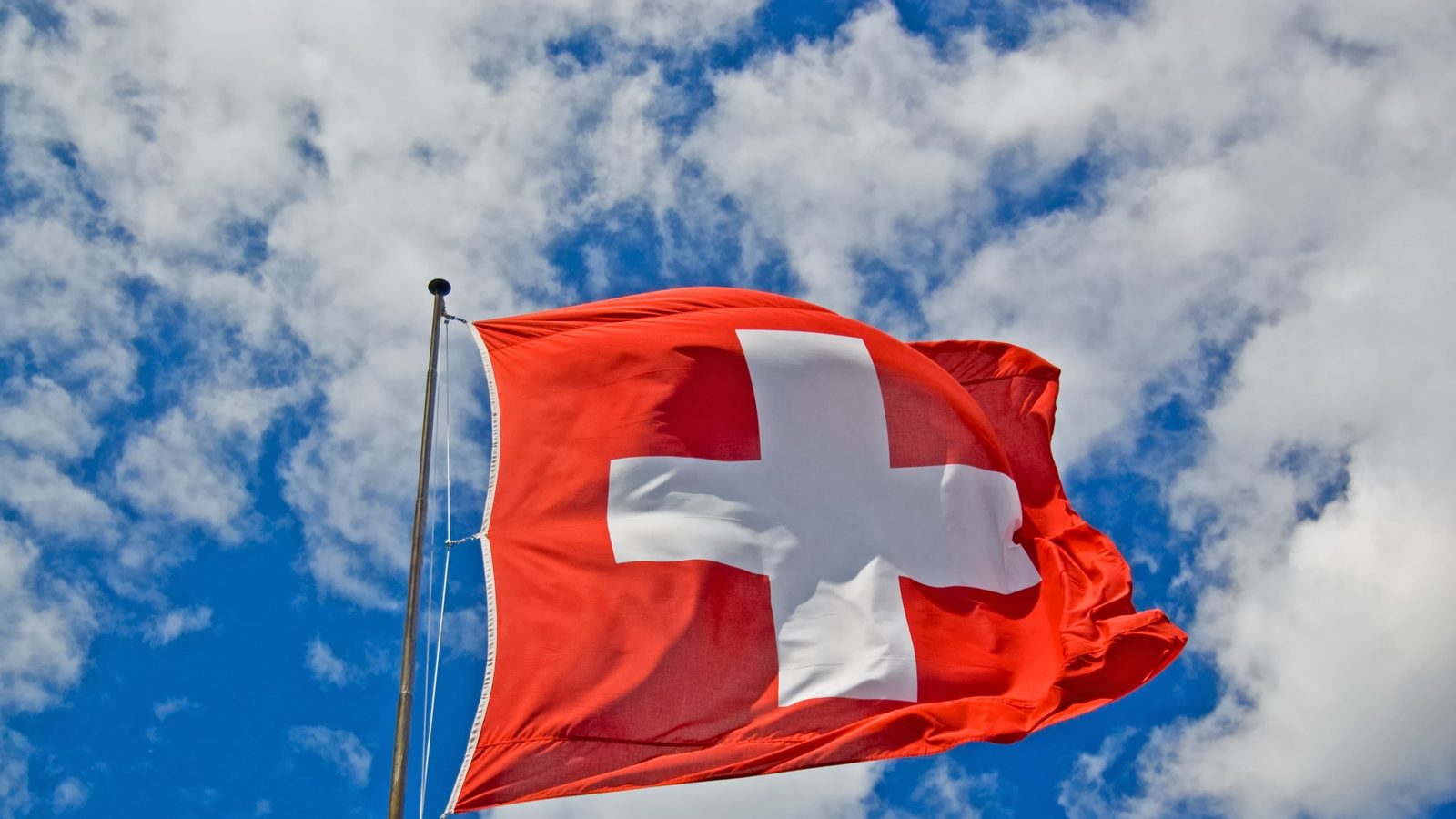
Swiss voters will decide on 27 September whether to enshrine a stricter, 'armed' neutrality in the Constitution.
In a small corner bar in Geneva four men finish their workday over beers and a heated argument. One of them, Beni, voices a complaint that has returned to the centre of Swiss public debate.
“It's very important that we have this neutrality. Not like now, when Switzerland took sides because of Russia,” he says, echoing a wider unease about the country's stance since the Russian invasion of Ukraine.
What the initiative would change
On 27 September Swiss voters will decide in a referendum on a popular initiative that seeks to tighten and clarify the neutrality clause in the Swiss Constitution. The authors, who collected more than 100,000 signatures, want neutrality declared permanent and armed, and they propose that Switzerland must not join military blocs, take part in conflicts between other states, or impose sanctions on warring countries unless those measures are authorised by the United Nations. If approved, the wording of the Constitution would have to be amended.
The initiative has been taken up by the right-wing Swiss People's Party (SVP) and by prominent conservative figures. Christoph Blocher, an 85-year-old former federal councillor who remains influential within the SVP, has re-emerged as a vocal supporter. He argues that Switzerland's return to neutrality in 1938 kept the country out of the Second World War and describes the model he favours as more than military abstention.
“Experts call it integral. That means absolute. That means that we are neutral also with regard to non-military coercive measures,” Blocher says. He adds bluntly: “Anyone who does that has already become a party to the war.” Under the draft text of the popular initiative, Switzerland would in future be barred from taking part in economic or diplomatic sanctions unless the United Nations had authorised them.
The federal government, however, has rejected the stricter definition and launched a campaign against the initiative, arguing that current policy already guarantees Swiss neutrality and that the proposed changes would limit Switzerland’s room to act and complicate security cooperation with foreign partners. The debate hardened after Bern joined western sanctions against Russia and deepened cooperation with NATO in areas such as military training.
Swiss foreign minister Ignazio Cassis, of the Free Democratic Party, warned of the diplomatic fallout if Blocher’s integral neutrality were enshrined in law. “We would no longer be able to impose sanctions against states waging war. Today's sanctions against Russia, for example, would not have been possible because they were not adopted by the United Nations. That could cause serious foreign-policy consequences,” Cassis said. He defended the current “flexible” interpretation of neutrality: “Flexible shaping of neutrality allowed Switzerland to pass undamaged through geopolitical upheavals and wars. It should remain so in the future.”
A June poll by Tamedia showed 34 percent in favour of the initiative and 54 percent opposed. The outcome of the popular vote on 27 September will decide whether Switzerland legally anchors a stricter, more absolute form of neutrality or keeps the flexible practice that has guided its foreign policy.
Photo: Pexels-700x467.webp')