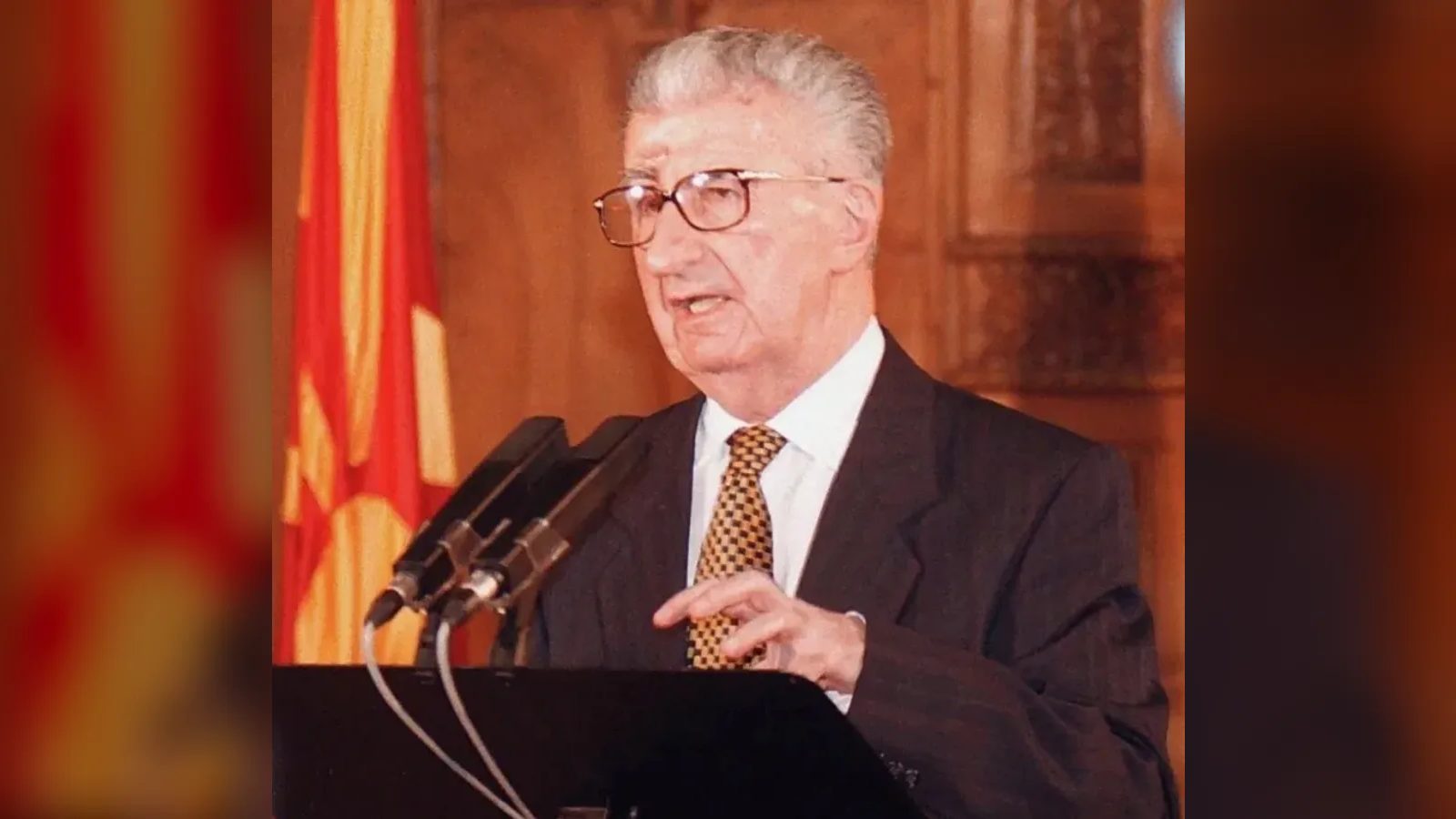
Kiro Gligorov assassination attempt: investigation still unresolved
A former assistant interior minister maps Multigroup, Bratislava networks and possible Serbian military-intelligence links more than 30 years after the attack.
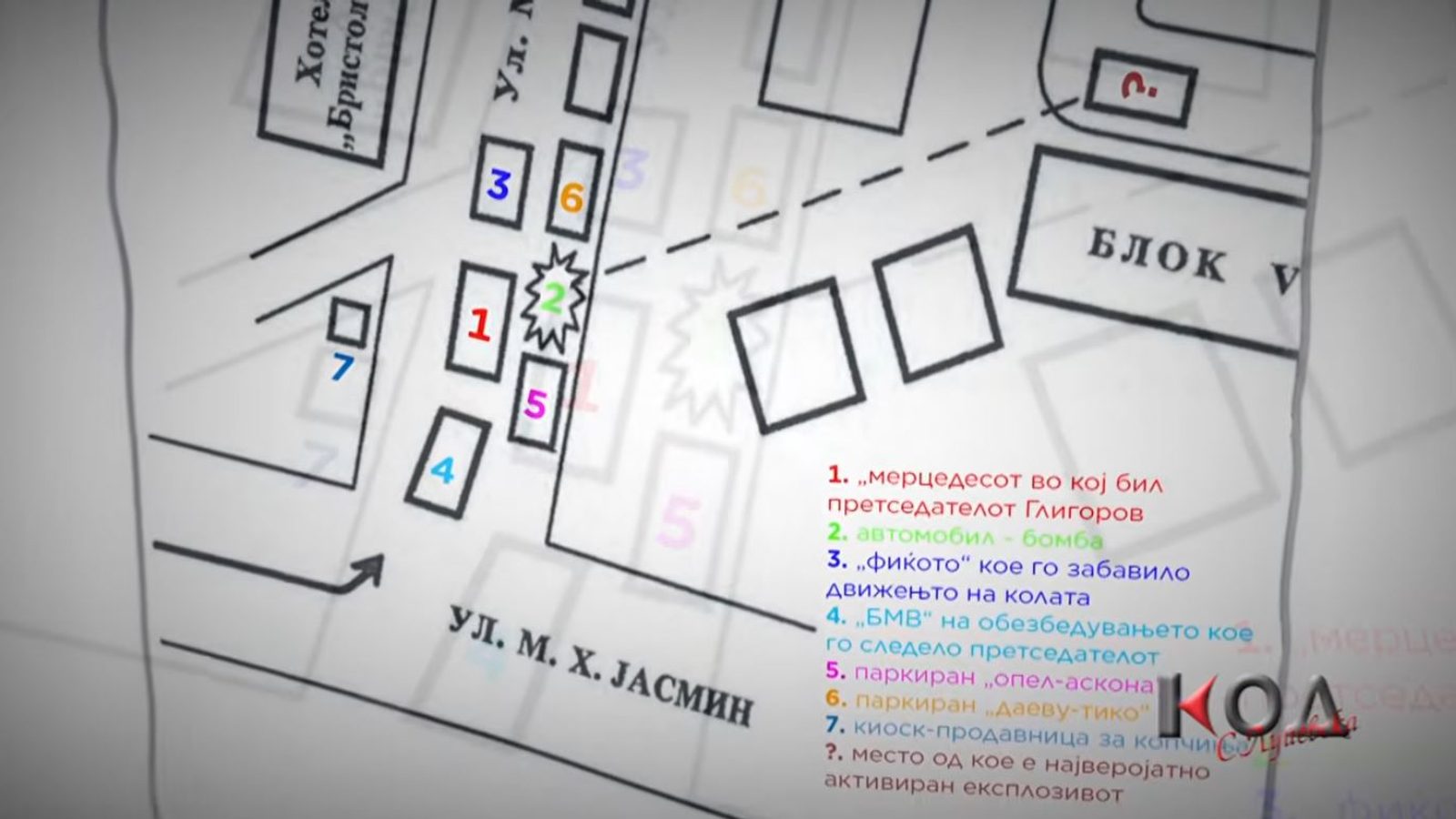
Decades after the car-bombing that wounded President Kiro Gligorov, the formal inquiry has failed to turn up a conclusive answer about who ordered the attack, why it happened and which networks stood behind it. That absence of resolution — the investigative gaps, the leads that stalled and the material that sits archived — is the central argument of a new book by Dr. Zoran Dorevski.
Three persistent lines of inquiry
Dr. Zoran Dorevski, who served as Assistant Minister for Criminal Police in the Ministry of Interior on 3 October 1995 and was directly involved in the initial post-explosion work on Macedonia Street, writes that the investigation “grew into a shadow” over the case rather than illuminating it. He identifies three main directions investigators should pursue: links to the Multigroup business network, alleged ties to organized crime circles around Bratislava, and possible involvement by Serbian military intelligence and local domestic collaborators.
The Multigroup thread entered the public investigation on the 23rd day after the attempt, when then-Minister of Interior Ljubomir Frchkovski said that “a person from that company whose name we know came to Macedonia on 28 September that year and, in a facility on the outskirts of Skopje, assembled the explosive that was later used in the assassination attempt.” Frchkovski did not name individuals in that statement.
Dorevski recounts operational reports that connected parts of the Multigroup business network to trade in strategic commodities — oil, weapons and other goods that moved through Macedonia as a transit route during regional sanctions — and notes the violent fate of Multigroup’s architect, Ilija Pavlov, who was hit by a sniper shot on 7 March 2003 outside the company’s headquarters in Sofia.
Another track described in the book is the so-called Bratislava lead: a caller identified as Osmo Vatres, calling from Slovakia and claiming knowledge of organizers and perpetrators who allegedly linked Albanian criminal groups in Western Europe with elements of the Russian mafia and contacts in Macedonia. The caller pointed to Aslan Niushi from Grechec as central to that account; Niushi was held and questioned for 55 hours but released when no proof of involvement was found.
Finally, Dorevski highlights a possible role for Serbian military intelligence cooperating with domestic criminal and political networks. He points to missing explosives from an ARM depot and to the technical nature of the device used on Macedonia Street — a device he says only experienced military professionals could have constructed. Several Macedonian politicians, including Stojan Andov and Stevo Pendarovski, publicly voiced suspicions that the line of inquiry pointed toward Slobodan Milosevic and Serbian security structures, a possibility that, Dorevski writes, was not fully explored by investigators.
The archive of the case, Dorevski warns, holds files, photos, witness statements — and a dusty Mercedes kept in a Ministry of Interior depot — but not definitive answers. Some suspects named in operational checks, such as Branislav Lainovic, who maintained regional criminal networks and later was killed on 20 March 2000 in front of the Hotel Srbija in Belgrade, were never formally indicted in Macedonia.
The broadcast segment based on Dorevski’s book aired in the program KOD on 04.10.2026. The report argues the investigation remains unfinished and that, despite numerous leads and several violent deaths in the wider region, the chain of command and political responsibility for the attempt on Gligorov’s life remain unresolved.
Photo: press material from the event