Slovenia installs average-speed cameras on motorways — fines up to €1,200
Four motorway stretches on A1 and A2 now measure average speed between cameras and apply fines that rise with the excess.
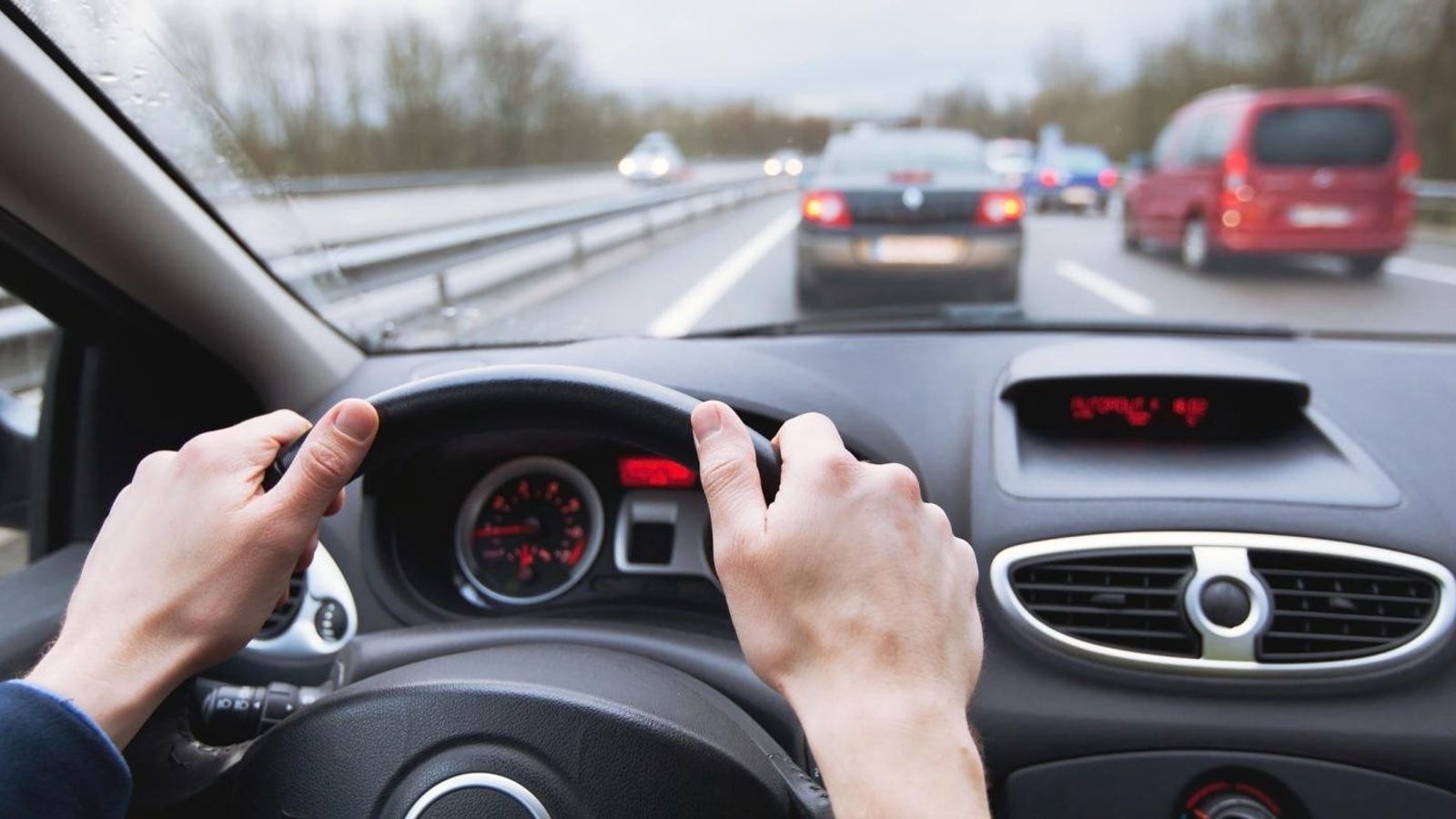
Slovenia has begun using an average-speed camera system on four motorway sections, replacing single-point radar checks with cameras that time vehicles over an entire stretch. The new system calculates a vehicle's average speed between the entry and exit cameras, and fines for speeding can reach up to €1,200.
Unlike classic radars that measure speed at a single point, the average-speed system records the moment a vehicle passes the first camera and the moment it passes the last camera on the controlled section. From the distance and the elapsed time the system computes the average speed for the whole stretch.
How it works and where it is active
The Slovenian Office for Metrology says the cameras are installed on four important motorway sections used by many foreign drivers, including citizens from North Macedonia. The monitored stretches are:
- A1 Logatec – Vrhnika, in the direction of Ljubljana.
- A2 Ljubljana Brod – Vodice, in the direction of Kranj.
- A2 Grosuplje – Ivančna Gorica, in the direction of Novo Mesto.
- A1 Podmilj – Ločica, in the direction of Maribor, in the area of the Trojan tunnels.
The system is intended to discourage the common practice of braking sharply just before a radar and then accelerating again afterwards. For example, if a controlled section is 10 kilometres long and a car covers it in four minutes, its average speed would be 150 km/h. If the limit on that stretch is 130 km/h, the driver has exceeded the permitted speed regardless of how fast they passed the cameras.
Penalties in Slovenia are set by traffic regulations and rise with the number of kilometres per hour by which the limit is exceeded: up to 10 km/h — €40; more than 10 up to 30 km/h — €80; more than 30 up to 40 km/h — €160; more than 40 up to 50 km/h — €250. For larger excesses the fines are higher: more than 50 up to 60 km/h — €500; more than 60 km/h over the limit — €1,200 and nine penalty points.
Authorities say the measure aims to promote steadier driving and improve road safety rather than encouraging drivers to slow only where cameras are visible.
Photo: press material from the event