Iva Mihailova: why Kochani court refuses permission for treatment in Bulgaria?
Kochani judges say paper evidence is missing that would prove the required neurological care cannot be given in North Macedonia; Sofia has escalated the case through diplomatic channels.
A judicial standoff in Kochani and a diplomatic push from Sofia have turned the case of 24‑year‑old Iva Mihailova into a bilateral flashpoint: Macedonian judges keep her under court‑ordered travel restrictions, while Bulgarian officials insist she needs treatment abroad.
Health, evidence and jurisdiction collide
Prosecutors in North Macedonia accuse Mihailova of the criminal offence “serious offences against the safety of people and property in traffic” after an October traffic crash in which one person died and others were injured; Mihailova was among the wounded. She denies responsibility and says the accident happened for reasons other than her own actions.
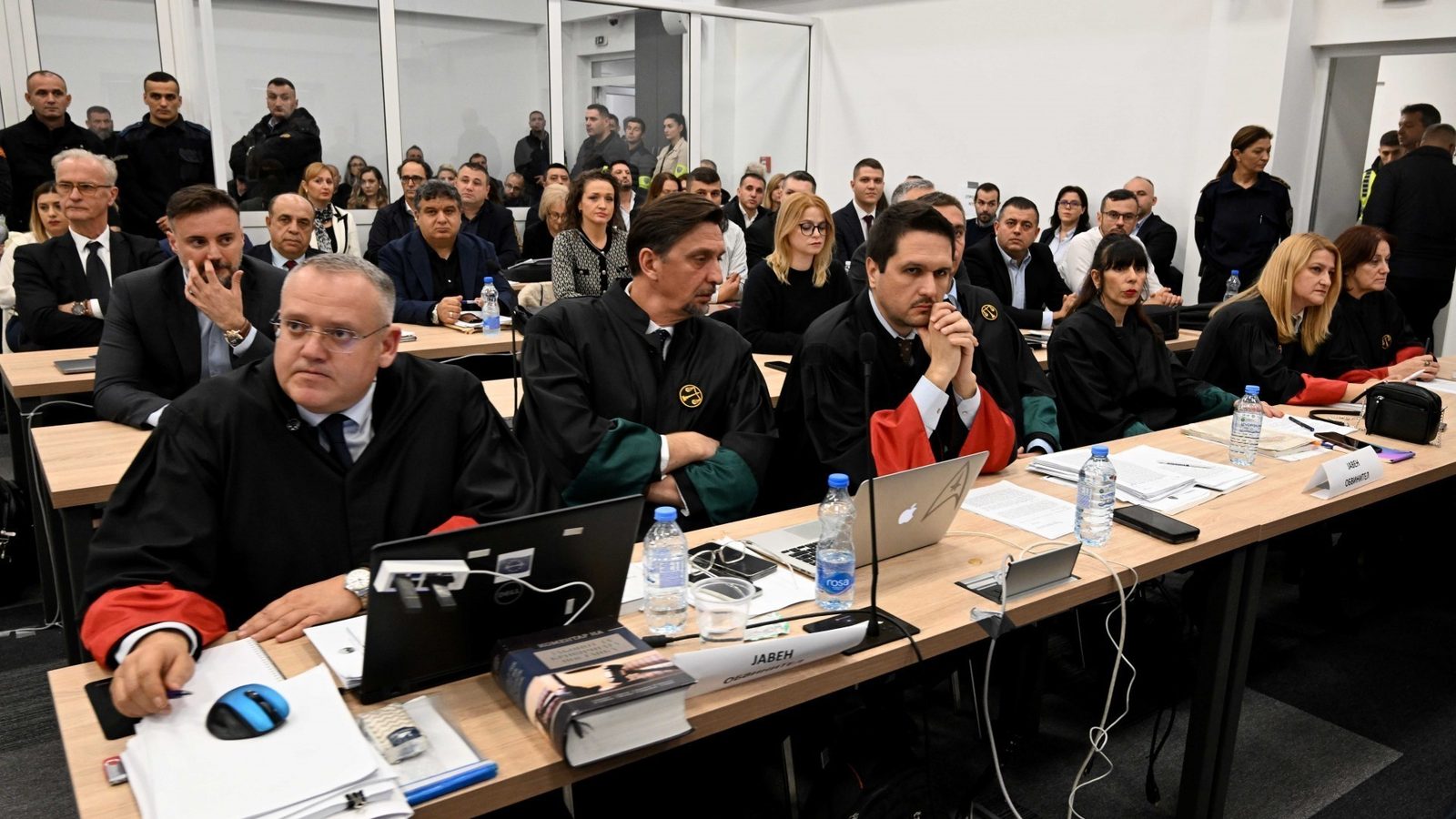
Mihailova’s defence points to medical documentation claiming she requires specialised neurological care that cannot be provided in North Macedonia and asked the Basic Court in Kochani to lift precautionary measures — including a ban on leaving her residence in Kochani and seizure of her travel documents. On 7 August the court denied that request.
In a statement on 14 August the Ministry of Foreign Affairs of Bulgaria reported contacts with Mihailova’s mother and pledged diplomatic efforts. “Mrs. Mihailova indicated that she continues to rely on the support of Bulgarian institutions for a positive decision by the Court of Appeal in the next few days, which would allow her daughter to receive the necessary treatment. The MFA gave categorical assurances that the Bulgarian state is using all available channels of communication with the Republic of North Macedonia to take into account the indisputable humanitarian aspects of the case and for Iva to receive the necessary treatment and the chance for maximum recovery as soon as possible. The case was raised through official diplomatic channels to the authorities of the Republic of North Macedonia, with a request for timely resolution.”
The Kochani court’s written reasoning noted there is no collegial opinion from clinicians at the Clinical Centre – Skopje, nor a commission at the Health Insurance Fund stating that the prescribed treatment cannot be realised in state or private health institutions on the territory of the Republic of North Macedonia. That legal‑medical gap underlies the judges’ decision to keep the measures in place while the criminal procedure continues.
Bulgaria has framed the file as a human‑rights and rule‑of‑law concern and linked it to EU assessments of the Macedonian judiciary. “We insist that Iva Mihailova be given access to timely and appropriate medical care, in order to avoid the real danger of permanent impairments with irreversible consequences for her right to a dignified life,” the Bulgarian foreign ministry said. Sofia has also signalled that protecting Bulgarian citizens and communities abroad will be a priority of the current government programme through measures and inter‑agency mechanisms stretching into 2026–2029.
Bulgarian President Rumen Radev has publicly commented on the episode, telling reporters that “Bulgaria does not interfere in the judicial proceedings of other countries, but we are continuously in contact with Iva Mihailova, with the family, with her mother.” He added that “The overall treatment of Iva Mihailova is contrary to common sense and to elementary humane principles,” and thanked Bulgarian MEPs and Vice‑President Iliana Yotova for raising the case in European forums.
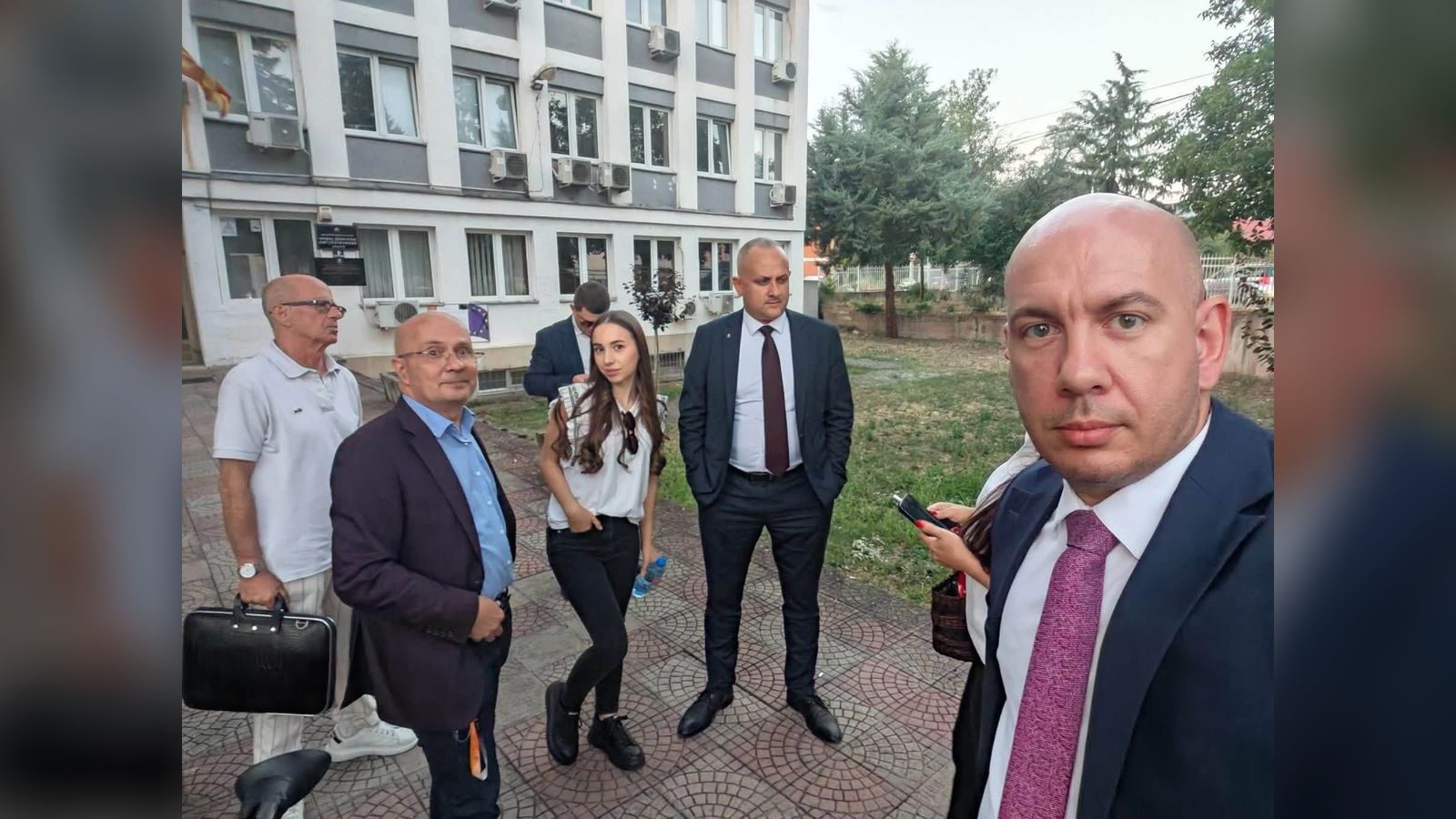
The case has already drawn media attention and activist interventions: two MPs from the Bulgarian right‑wing party Revival reportedly crossed into North Macedonia in early August despite earlier bans, to attend a hearing in Kochani; domestic authorities said internal controls at the border police will investigate. Separately, some Bulgarian MPs have voted to freeze their salaries while the controversy is ongoing.
Photo: Fejsbuk