Smithsonian uses AI to link American Revolution artifacts in 'Revolution Crossroads'
The Smithsonian uses AI to connect roughly 10,000 artifacts from 1770–1810 with digitized newspapers and other archives to surface hidden stories.
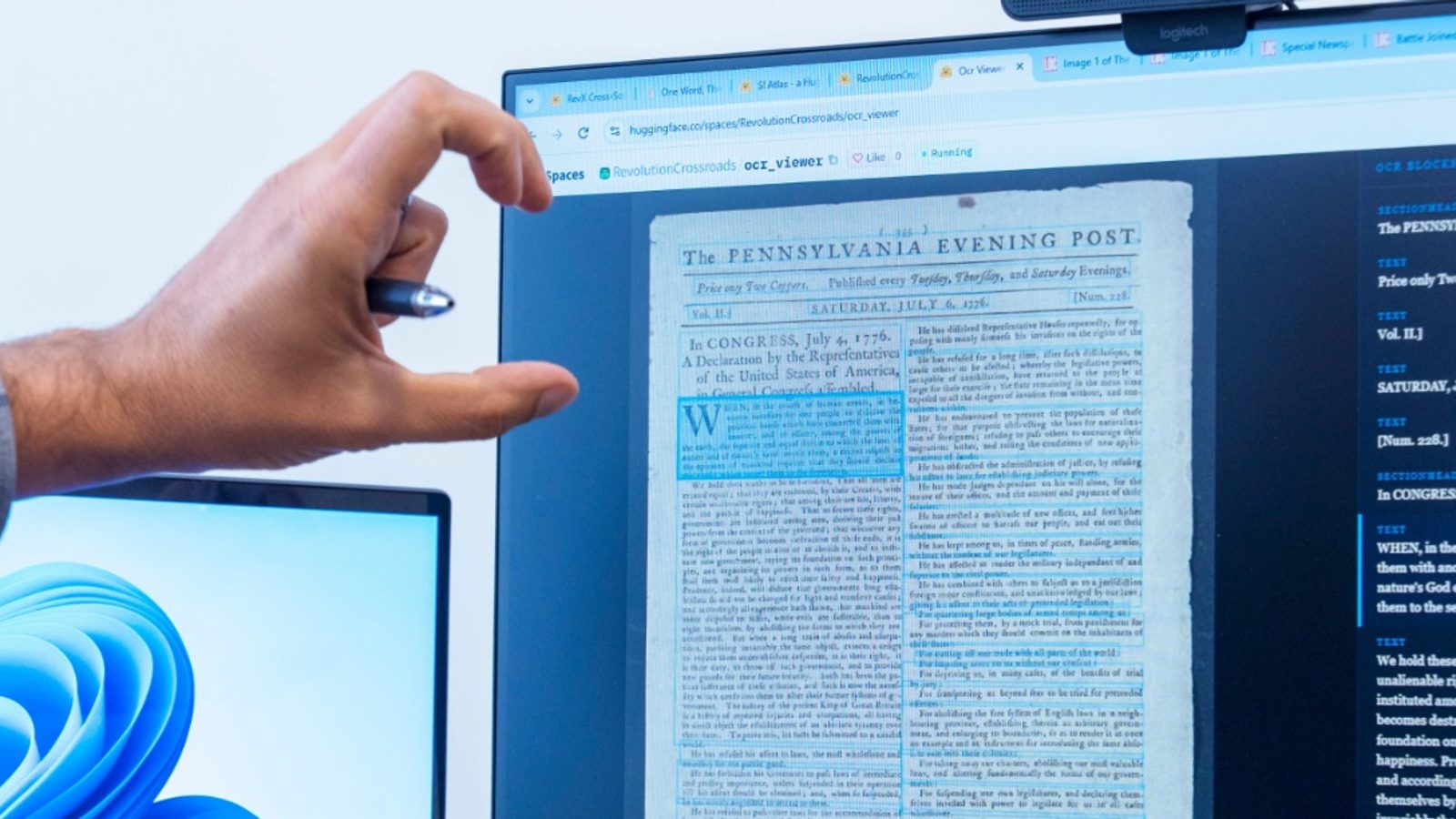
The Smithsonian Institution has launched an artificial intelligence project called "Revolution Crossroads" to uncover links among objects, archival documents and people connected to the American Revolution.
The initiative works with about 10,000 artifacts dated between 1770 and 1810. Using large-scale digitized collections, the project aims to map previously unnoticed relationships that conventional searches through vast museum archives can miss.
How the system works
The AI compares metadata and descriptions of the artifacts with digitized newspapers, advertisements and other historical sources. It searches for names, places and details that can connect an object to people or events, producing leads for researchers to investigate further.
Project staff say the technology is intended to surface stories hidden in scattered records and to help historians ask new questions about ownership, manufacture and use of material culture from the Revolutionary era.
Organizers stress that the system does not replace traditional archival work: rather, it flags promising matches and patterns so curators and historians can verify and interpret them.
By combining the Smithsonian’s museum collections with broad digital archives, "Revolution Crossroads" aims to expand knowledge of everyday lives and networks during the American Revolution era.
Photo: AP)