WMO: El Niño will become "very strong" and likely last until February
The WMO says the event will likely last until February and poses higher risks of floods, droughts, extreme heat and food crises in several regions.
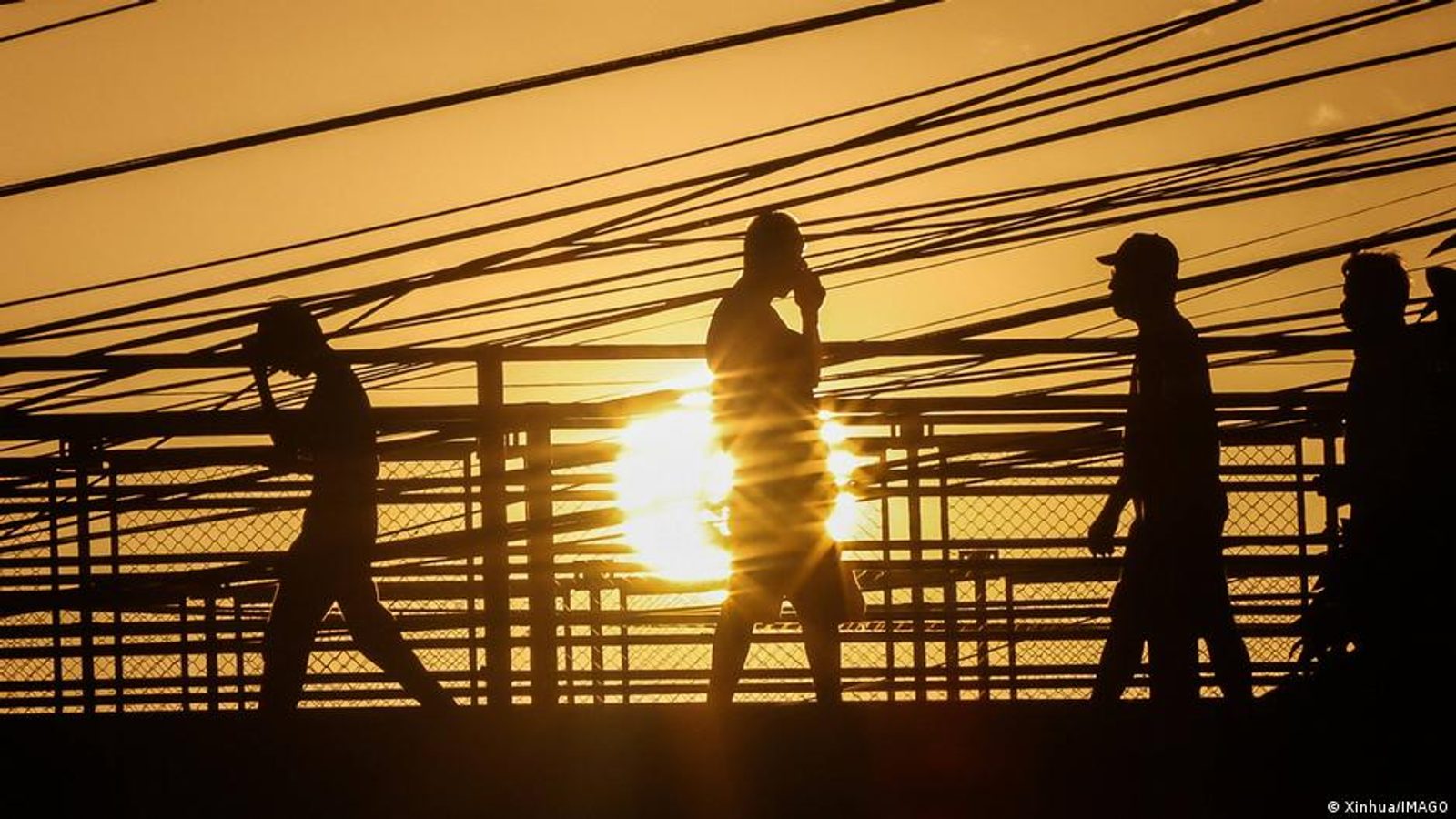
The World Meteorological Organization (WMO) warned on 3 September 2026 that the El Niño phenomenon is set to become "very strong" in the coming months and will most likely persist until February, with its peak expected toward the end of 2026. The agency said this escalation will have "significant consequences for rainfall and temperature patterns" worldwide.
United Nations Secretary‑General Antonio Guterres emphasised the global risk, saying: "El Niño is, before our eyes, growing into a phenomenon of super-dimensions. The world is in a zone of danger from extreme weather events."
Heightened risks for food, health and infrastructure
WMO President Celeste Saulo cautioned that the developing El Niño threatens agriculture, health systems and energy supplies, and urged civil protection and disaster management authorities to prepare. The UK Met Office has suggested this could be the "most intense" El Niño in more than a century.
The United Nations World Food Programme warned that food crises are likely to be triggered in some regions, especially across parts of Central America. Honduras, Panama and El Salvador issued drought alerts at the end of August as conditions deteriorated.
Impacts will vary by region: in addition to droughts expected in Australia, Indonesia and southern Africa, forecasters anticipate both extreme heat and heavy rainfall with flooding in other areas as El Niño alters winds, pressure systems and global precipitation patterns.
El Niño occurs when surface waters in the central and eastern tropical Pacific warm, disrupting winds, pressure and rainfall across large parts of the globe. It typically appears every two to seven years and usually lasts nine to twelve months, though this event is now forecast to be unusually strong and to influence weather into early 2027.
Photo: Keson, Filipini)