Attacks on Russian refineries trigger fresh fuel crisis that imperils logistics and daily life
Attacks on refineries have sparked fuel shortages across at least 30 Russian regions and are disrupting transport, services and industry.
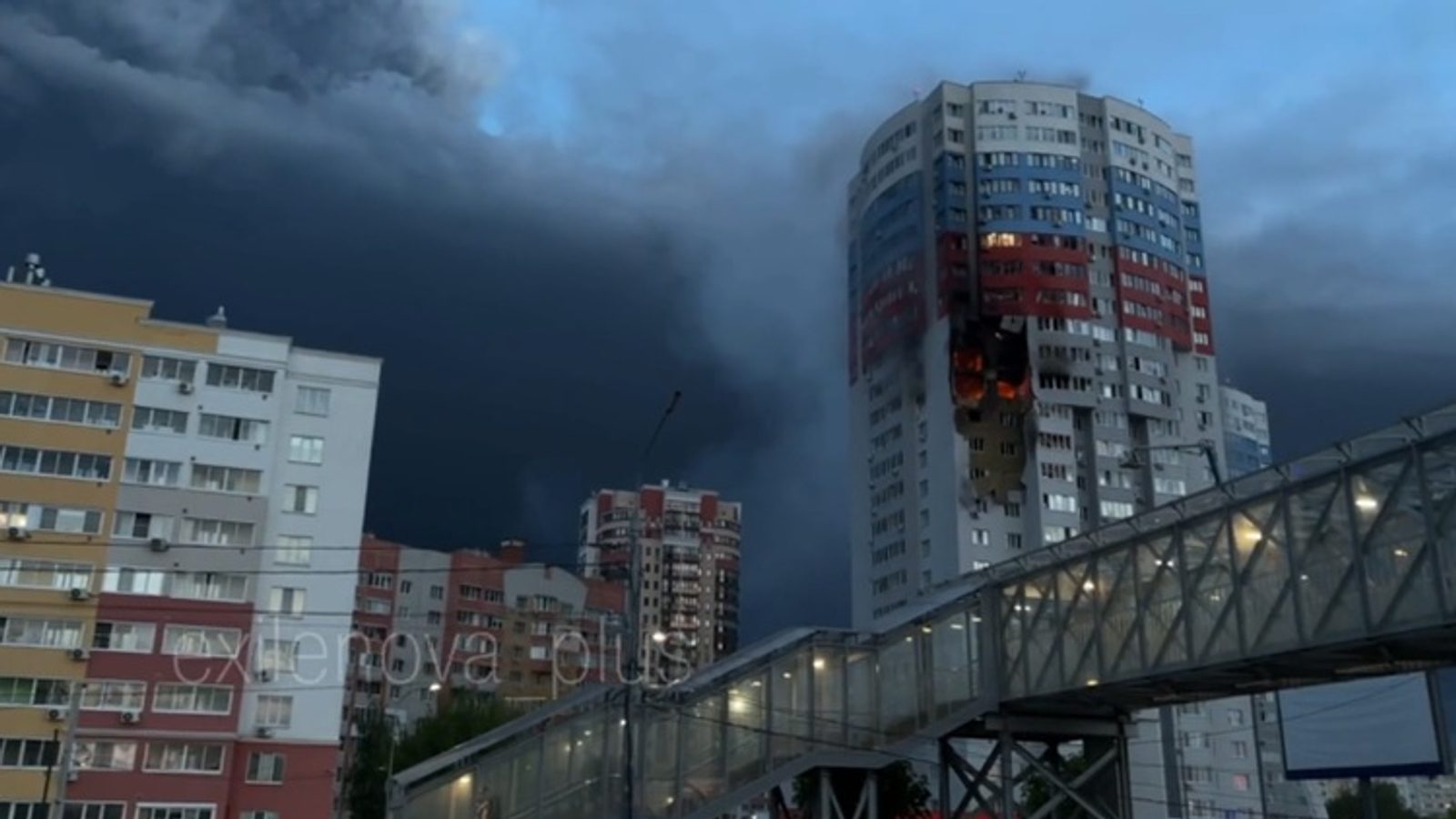
Attacks by Ukrainian forces on oil refineries have triggered a fresh fuel crisis across Russia, hitting at least 30 regions and striking Moscow and the Moscow Region especially hard — a surge unlike the previous shortage that ran from late May to mid-July. Major retail chains linked to Gazprom Neft and Tatneft have already restricted fuel sales in Moscow.
Long queues at petrol stations have been reported from the south, including Krasnodar and the Black Sea resort of Sochi. "With its calm atmosphere and slower pace of life, today's Sochi resembles the time before the Olympic Games, when there were few cars on the roads and the city had far fewer tourists and residents. But here's the point: there is no petrol in Sochi," wrote Igor Zakharchenko, a real-estate agent from the city.
Local observers say the shortage is already denting everyday services. "It cannot be said that there is no fuel at all, but there is a sense of crisis. It is not only a personal problem, the uncertainty whether someone can leave the city and return to it, but also an economic one," said Oleg Grigorenko, editor-in-chief of the independent online portal 7x, who has been designated a "foreign agent" in Russia. He added that taxi drivers, couriers and the construction sector in several regions are reporting fewer orders because many supply chains depend on fuel.
Quality, logistics and official responses
Concerns about fuel quality have surfaced alongside shortages. "The car won't start and must be serviced. From the same people I know there are waiting lists for repairs that last months, even in Moscow. And then spare parts are also waited for months. Obviously, some vehicles cannot cope with the fuel being pumped into their tanks. Of course the war continues and it is not known exactly what is produced and in what proportions components are mixed into the fuel," said Nikolay Korshenevski, a Russian economic expert living abroad.
Russian officials have offered mixed signals. Igor Ananskikh, deputy chair of the State Duma's energy committee, said supply could probably return to normal within two to three weeks. Other economists are sceptical and point out that damaged refineries are hard to restore quickly and remain vulnerable to further strikes. Authorities have begun limiting fuel consumption; emergency services, police, firefighters, municipal vehicles and units linked to security forces and government agencies have priority access to pumps. "This happens in front of people who wait for hours, which provokes strong resentment," noted one Kremlin critic who left an academic career under political pressure.
Analysts warn that imports from countries such as India or China cannot fill the gap. "Given the isolation that Russia faces, it is impossible to secure supplies of 200,000 tonnes of fuel per day, which is roughly the amount of petrol and diesel Russia needs every day," said Vyacheslav Shiryaev, an economic analyst critical of the war who now works abroad. He added that if Ukrainian strikes on infrastructure inside Russia were stepped up with Western support, they could seriously destabilise the economy and accelerate an end to the war.
"If diesel runs out, Russia's 6,000-kilometre railway network would stop. This could paralyse hundreds of industrial plants. Without diesel, tens of thousands of trucks could not operate, food would not reach stores, and farmers could not carry out the harvest," Shiryaev warned. "If Ukraine destroyed the entire oil-processing infrastructure, Putin would find that his orders are no longer executed," he said. Separately, a Kremlin adviser has warned that "unknown sources" could target British drone factories — a comment reflecting the broader escalation in rhetoric around the conflict.
Photo: Printskrin / Telegram