Eleven HIV/AIDS cases in July — highest monthly number in ten years
Eleven cases in July mark a decade-high monthly total; experts call for expanded testing and prevention funding.
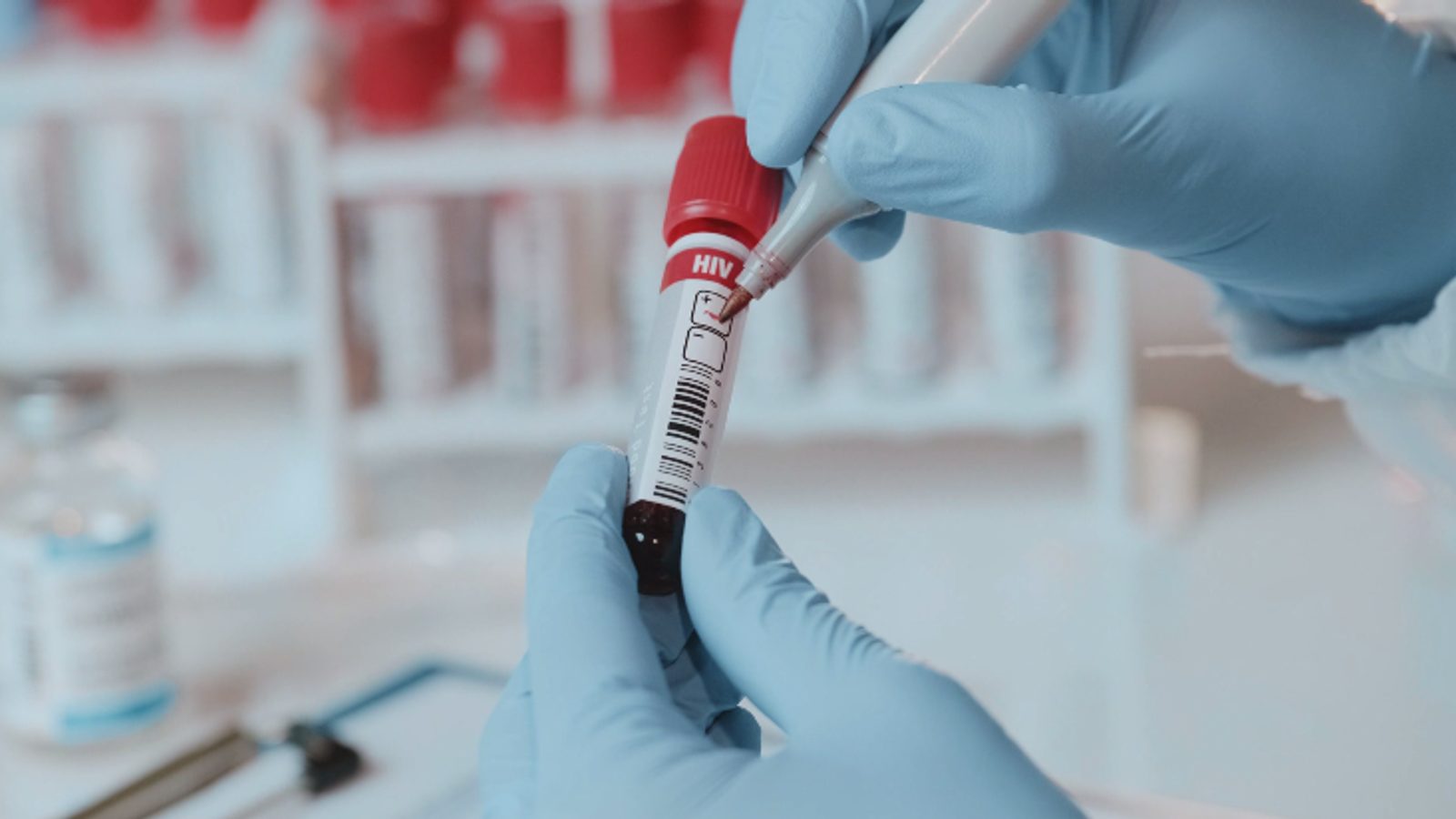
Eleven new HIV/AIDS cases were registered during July — the highest monthly total reported in the past decade, according to figures from the Institute of Public Health. Nine of the newly diagnosed are men and two are women, aged between 20 and 49.
Recent years have typically seen between 40 and 50 new HIV/AIDS diagnoses annually, which works out to roughly four to five cases per month. Health experts warn that the July increase needs careful interpretation: it could reflect either a real rise in transmission or simply the effect of more people coming forward for testing.
Prevention funding fell while treatment spending rose
“In our country more HIV testing is needed, because it is one of the ways to prevent further spread of the infection itself. The data are just a reminder of how much we need to invest in prevention and timely testing. The more we invest in prevention, the fewer costs we will have later for treatment and therapy,” says Olivera Stojkovska, program manager at HERA.
Funding for prevention activities has been cut sharply in recent years: the budget fell from €800,000 in 2019 to €210,000 in 2025. At the same time, the budget for treating people with HIV/AIDS has increased.
Unprotected sex and shared needles during drug use remain the highest-risk modes of transmission. HERA has been running prevention projects for years, including free and confidential HIV testing.
“Today HIV can be successfully controlled, so with timely detection of the virus, and timely initiation of antiretroviral therapy, people living with HIV can have a long and quality life. Today effective antiretroviral therapy is available, which in our country is available free of charge through the health system, so people who take the therapy regularly can achieve an undetectable viral load and therefore cannot transmit the virus,” Stojkovska adds.
Since 1987, a total of 765 people have been registered with HIV/AIDS in the country. Of those, 141 have died, 508 are living with the disease, and 116 are recorded as lost to follow-up or as having emigrated.
Srdjan Stojanchov
Photo: press material from the event