AI-designed complete viral genomes produced in lab for first time
US team used generative AI to design bacteriophage genomes; 16 of 302 synthesized designs killed E. coli in lab tests, prompting excitement and safety warnings.
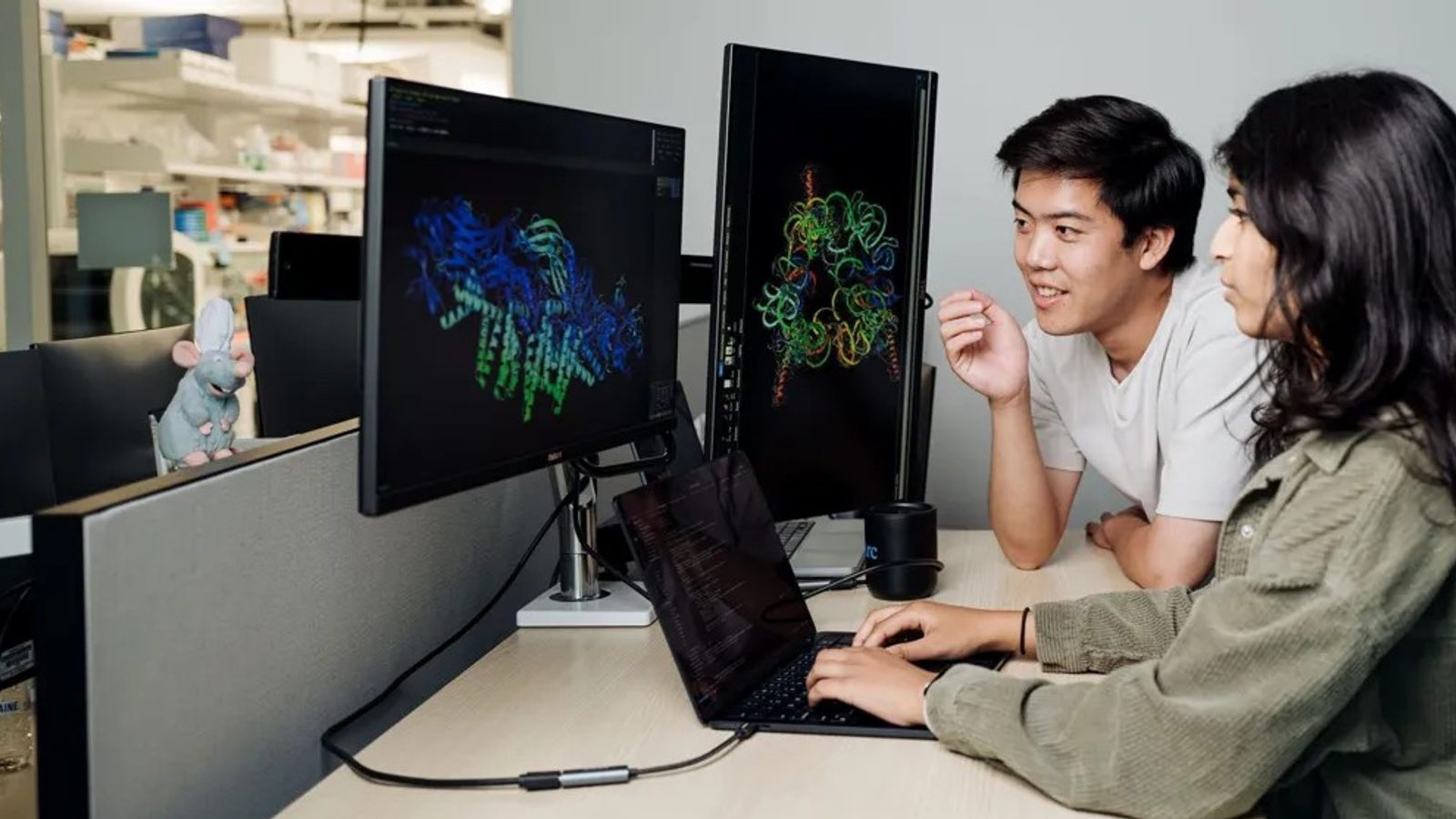
Researchers in the United States used artificial intelligence to design entirely new viruses whose genomes can be synthesized and shown to function in the laboratory, marking what the team describes as the first successful generation of complete viral genomes by AI.
The work produced sixteen novel viruses engineered to infect bacteria — bacteriophages — and explicitly created so they do not pose a threat to humans.
AI models trained on diverse genetic sequences
The investigators trained generative AI models on genetic sequences drawn from viruses, bacteria, plants and humans, then refined those models to produce designs for a particular type of virus that targets specific bacterial species. From an initial set of 302 top AI designs the team synthesized and tested samples in the lab; 16 of those designs proved effective at killing Escherichia coli bacteria.
“This is the first time that generative artificial intelligence has been used to design a complete genome. It is something that can replicate and have other functions inside cells. This was new territory for us,” said Brian Hi, an associate professor at Stanford University.
Authors of the study say the advance highlights AI's capacity to create synthetic biology that goes beyond naturally occurring sequences — with the potential to accelerate development of new drugs and therapies. At the same time, experts warn the same capabilities raise urgent biosafety concerns, because the tools that enable therapeutic gains could also be misused to design harmful agents.
Photo: Stenford)