Social Democrats lead Sweden vote, but slim margin leaves government formation in doubt
Social Democrats won the most votes on Sept. 14, yet a narrow 176–173 seat split and coalition disagreements mean the final government is unresolved.
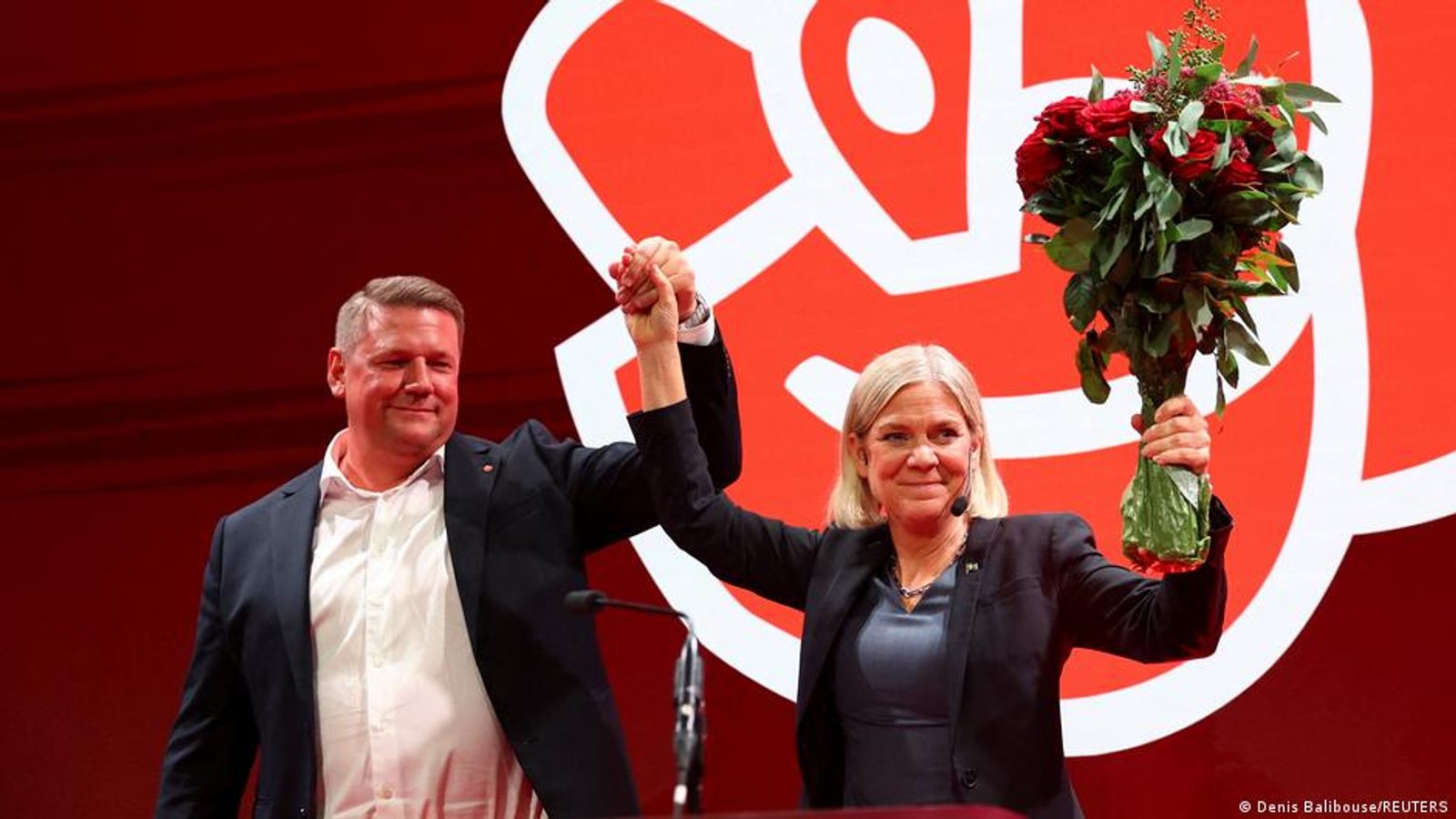
Sweden’s Social Democrats, led by former prime minister Magdalena Andersson, emerged as the largest single party in the national election held on September 14, 2026, but it remains uncertain whether Andersson’s centre-left bloc can secure a parliamentary majority.
Results close; final outcome may depend on late and overseas ballots
With roughly 94 percent of ballots counted, the Social Democrats have 28.1 percent of the vote, down from 30.33 percent in 2022, according to official tallies. Andersson’s potential coalition — made up of four centre-left parties — holds a narrow advantage of 176 seats out of 349 in the Riksdag at this stage, against 173 seats for the conservatives led by incumbent prime minister Ulf Kristersson together with their partners and the right-wing Sweden Democrats.
Andersson said of the result: "Sweden will have a new government." Even so, analysts warn that unresolved disagreements among the centre-left partners over key policies could complicate coalition talks and leave room for Kristersson to remain in power in a coalition that might include the Sweden Democrats.
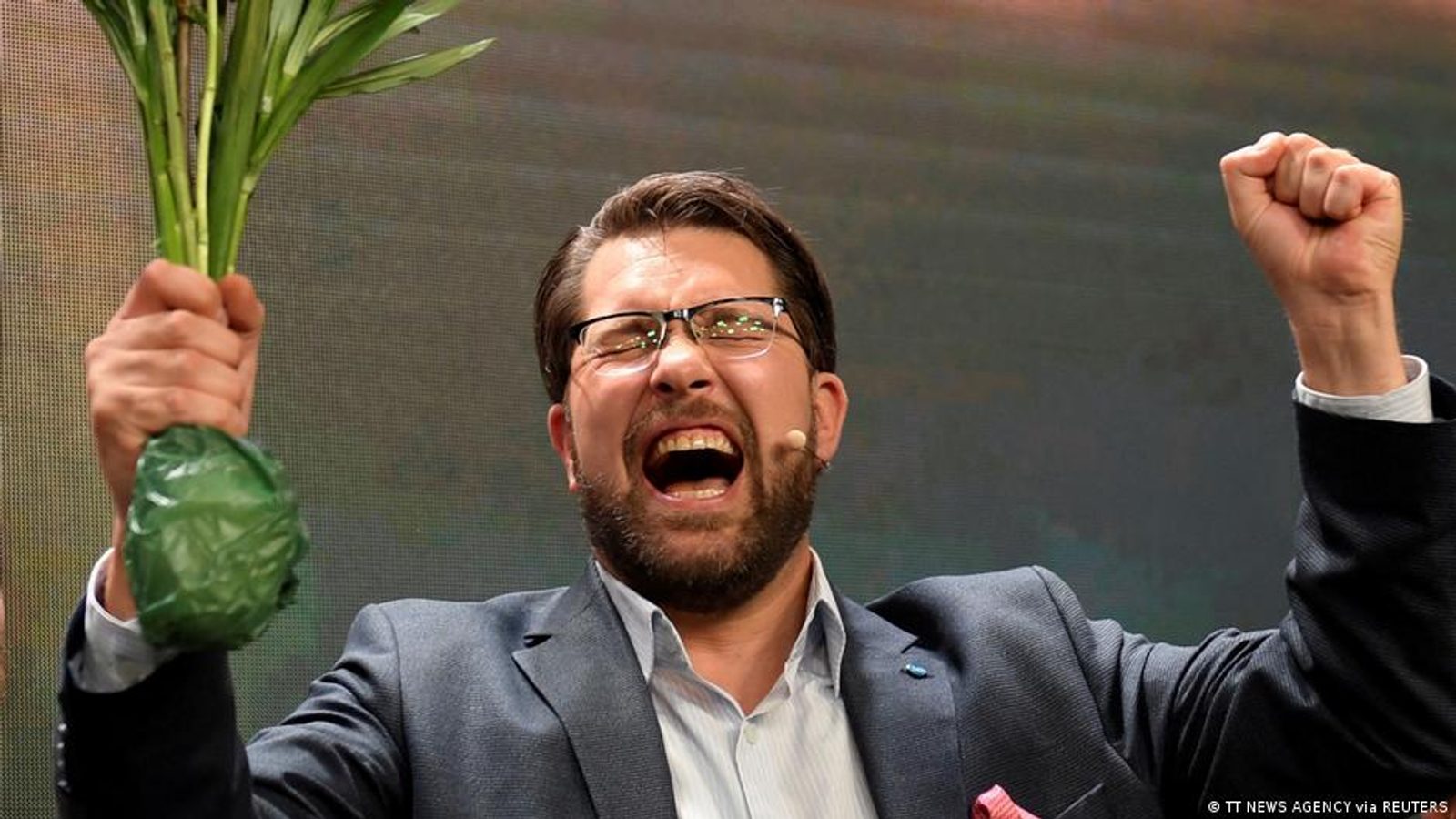
The Sweden Democrats suffered a decline in support in this vote: they were on 17.6 percent, compared with 20.54 percent in 2022. Their leader Jimmie Åkesson acknowledged the setback but argued the campaign had broadened the party’s base: "Obviously we lost a few percentage points compared with the result four years ago. Still, I consider we are the winners of this campaign, because today there are many more people in our country who do not feel uncomfortable to say that they support the Sweden Democrats."
Other centre-left partners improved their positions in the count: the Left Party reached 8.2 percent, the Centre Party 7.1 percent and the Greens 6.1 percent. The Christian Democrats and the Liberals — both former coalition partners of Kristersson — recorded 6.2 and 5.4 percent respectively.
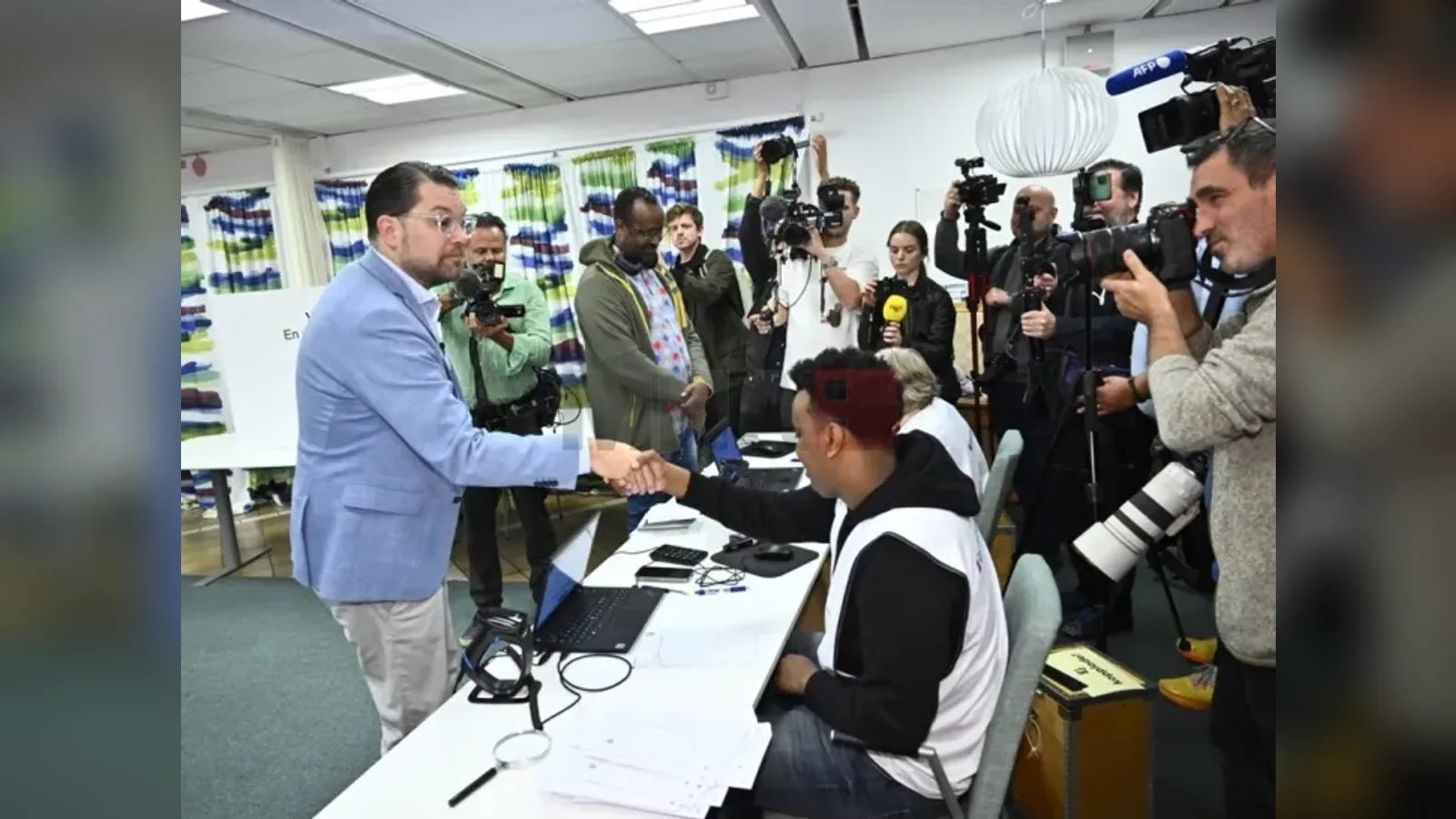
Election authorities said the final outcome could not be confirmed until Wednesday, when late postal ballots and votes cast abroad are added to the total. Until then, the razor-thin distribution of seats leaves both blocs poised to attempt government formation.
Photo: press material from the event