Owner of Puls would admit "a crime without intent", families demand up to 20 years
One year into the mega-trial over the Kočani nightclub fire that killed 63 people, relatives demand tougher penalties and broader accountability.
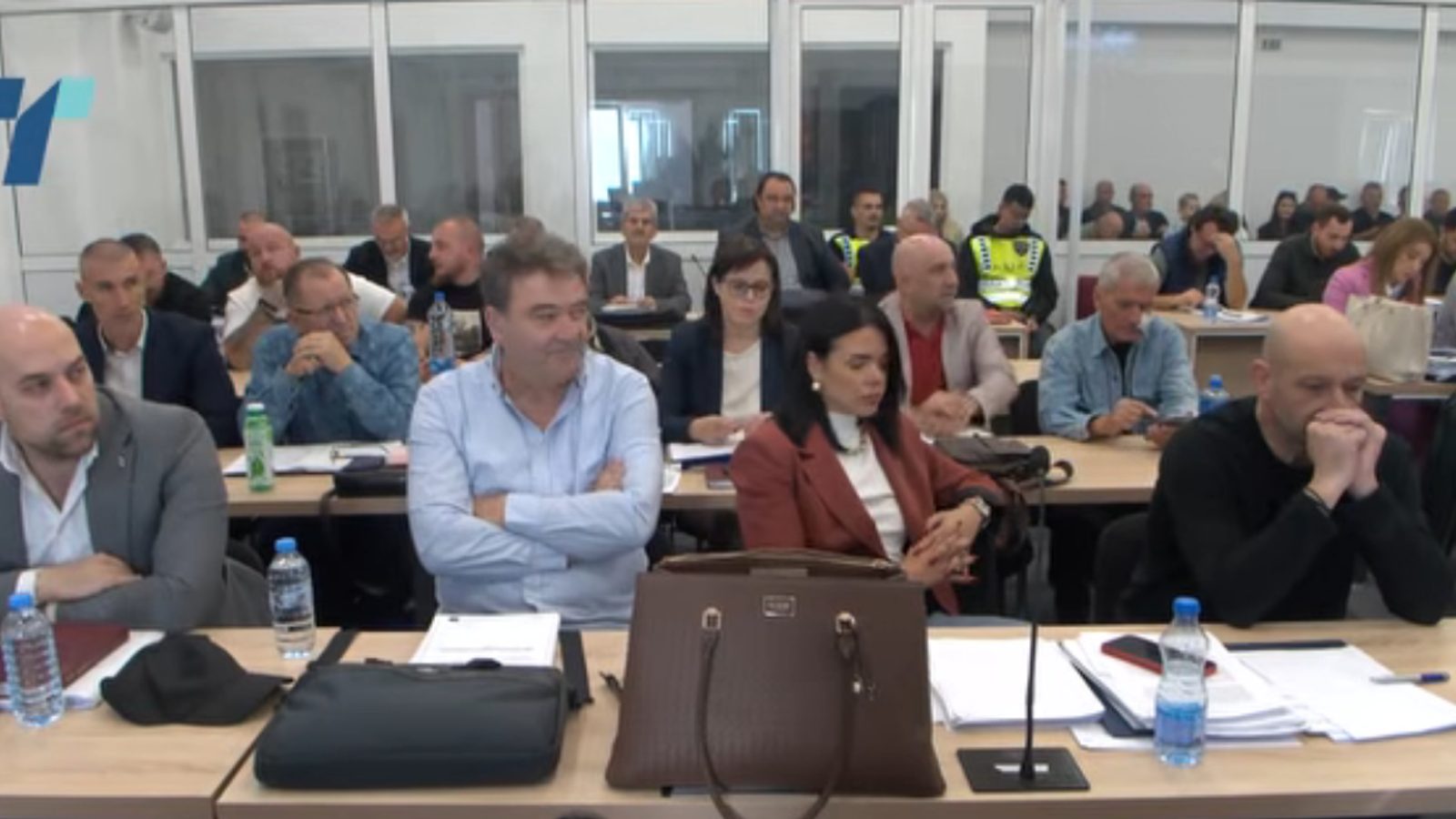
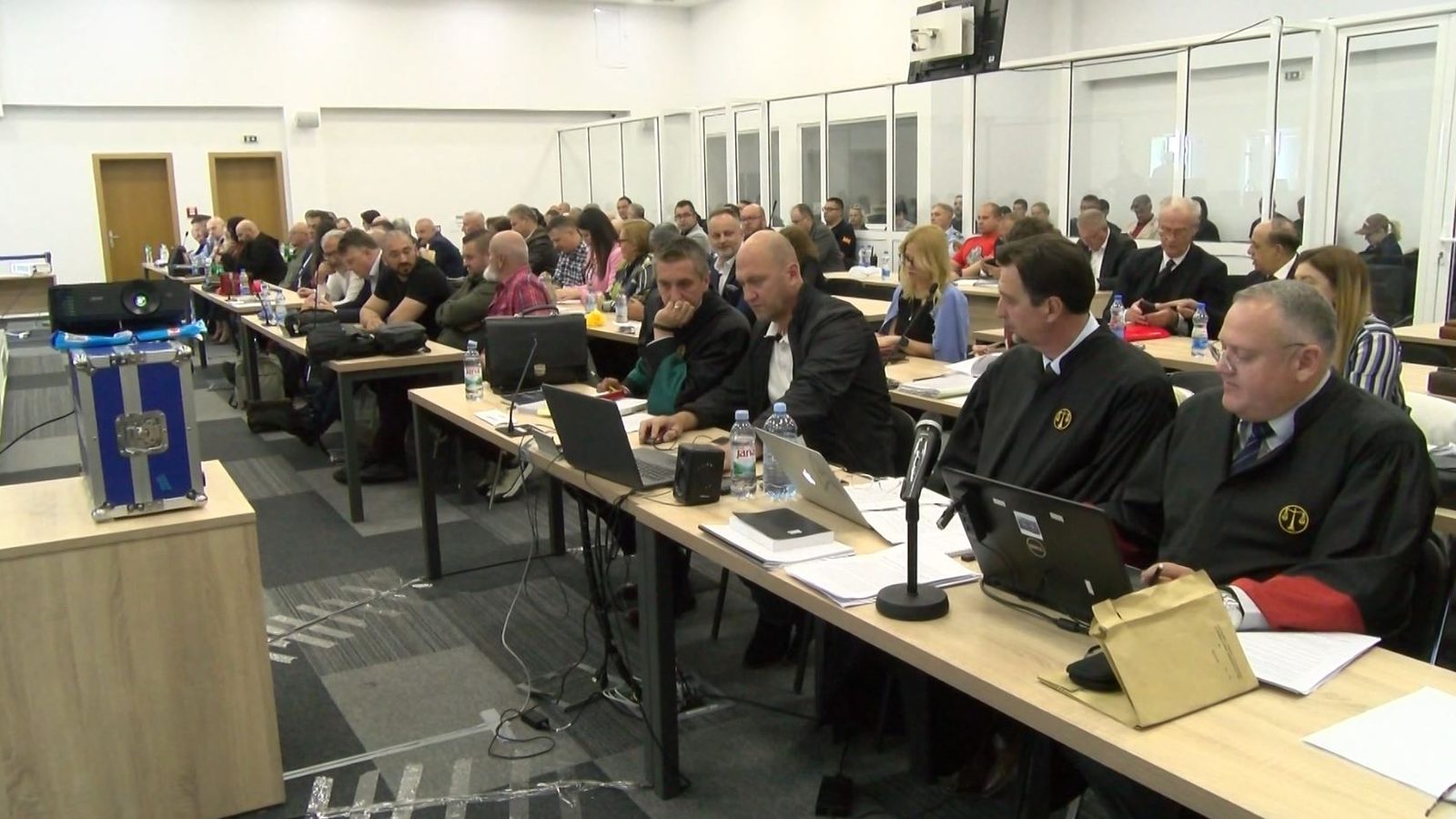
Exactly one year after the mega-trial began over the Kočani nightclub fire that killed 63 people, families of the victims say justice is still out of reach. The owner of the Puls club has indicated he would plead guilty to "a crime without intent", an admission that under current law carries a maximum prison term of five years.
The past twelve months in the courtroom have been marked by repeated procedural hearings, expert reports and testimonies, but for relatives the process has not delivered the full accountability they demand. Relatives argue that the tragedy was the result of failures across an entire system and are asking that every individual responsible face tougher penalties, up to 20 years behind bars.
What a plea for "a crime without intent" means
A formal admission to "a crime without intent" recognises culpability without alleging premeditation. Under the applicable statute the offence carries, at most, five years of imprisonment. That legal ceiling is a key point of contention between defence positions and the families pressing for harsher punishment.
Relatives and their representatives maintain that limiting responsibility to a single legal category for the owner would ignore wider institutional failures — from licensing and inspections to emergency preparedness — and would therefore fall short of delivering what they call full justice for the 63 victims.
Prosecutors and defence lawyers continue to present evidence and legal arguments, and the megaproceedings remain ongoing. For many families, the trial has become an exhausting marathon rather than a swift reckoning, as they await final rulings that could take months more.
One year on, the central questions remain: will individual admissions and criminal classifications produce sentences families view as proportionate, and will the process lead to structural changes that make a similar catastrophe less likely?
Photo: press material from the event