Spasen Siljanoski: fame, family house in Popolzhani and the fields he still works
From a modest family house in Popolzhani to big stages: the folk singer keeps the village and farm work at the centre of his life.
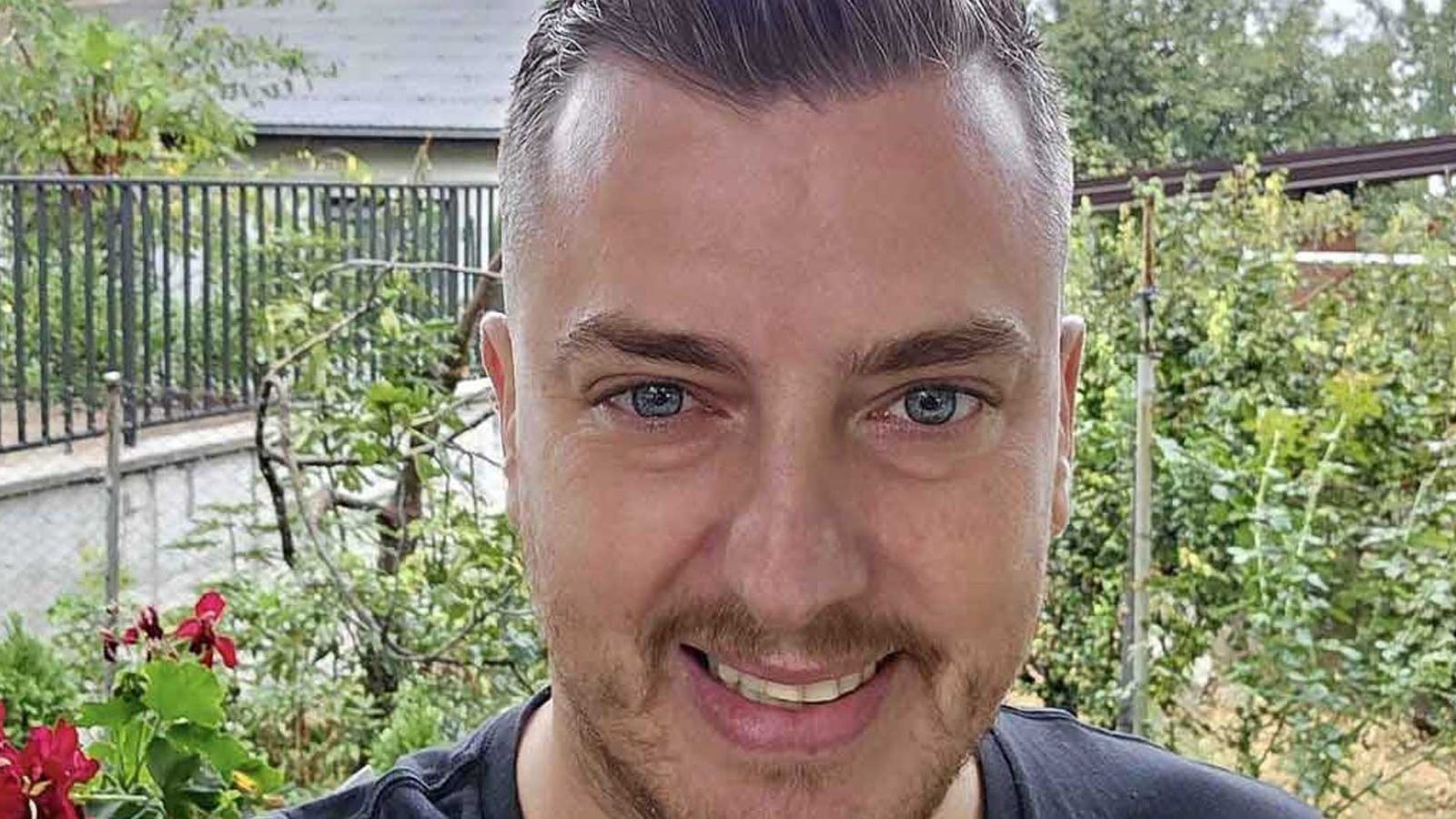
Spasen Siljanoski is one of the most sought-after and highest-paid folk singers on the domestic scene, and his song "Kje ti dojdam vecher" has become a staple at celebrations — yet he keeps a low profile and remains closely tied to his roots.
Although he lives in Skopje and performs across the diaspora, Siljanoski's emotional anchor is the family house in the village of Popolzhani near Kichevo, a riverside home where his mother still lives and where he goes to recharge after strenuous weekend gigs.
His early life, however, was far from easy. In an emotional appearance on the TV show Kafe Muabeti, Siljanoski recalled the hardest days of his youth when his family was barely making ends meet. He said: "I grew up in an environment where we literally fought to feed ourselves. There were hard moments when I finished high school and had to enroll at university — that same day my father was fired from his job. We came home and realized we didn't even have bread! My parents told me: 'You go study, we'll manage here, we'll do farm work, we'll gather forest fruits and mushrooms.'"
A life balanced between stage and field
Unlike many who let fame change them, Siljanoski never shied away from physical work. He frequently shares images from his native village showing how, together with his son Arsenij, he works the fields and helps with the family's agricultural duties. As he put it: "I really like to go to the village where I come from, to see the beauty of my Kichevo, to walk around Popolzhani, to ride a bicycle — that is how I recharge emotionally. In our time we knew how to socialize, we spent the whole day outdoors. Even today I wouldn't trade that peace for any piece of asphalt."
By day he can be seen tending land in Popolzhani; by night he changes into a suit and steps in front of the microphone at elegant weddings. The contrast, he says, keeps him grounded and connected to the people who shaped him.
Siljanoski also spoke openly about a difficult chapter involving his daughter's health. "My daughter is now great, a wonderful girl. We went through a big life ordeal, but with persistence and God's will we managed to solve it. Let this be an appeal to all parents facing a similar problem; they can contact me freely so I can share my full experience and help them," he urged.
His story is offered as an example that success does not erase origins: for Siljanoski, financial achievement means little if those around him remain unhappy or in need, and his life continues to be shaped by the same village values and hard work that marked his upbringing.
Photo: press material from the event