Serbia aims for Schengen by 2027 but will not impose visas on Russians for now
Belgrade will align visa rules with the EU over time but says it will not immediately introduce visas for Russian nationals.
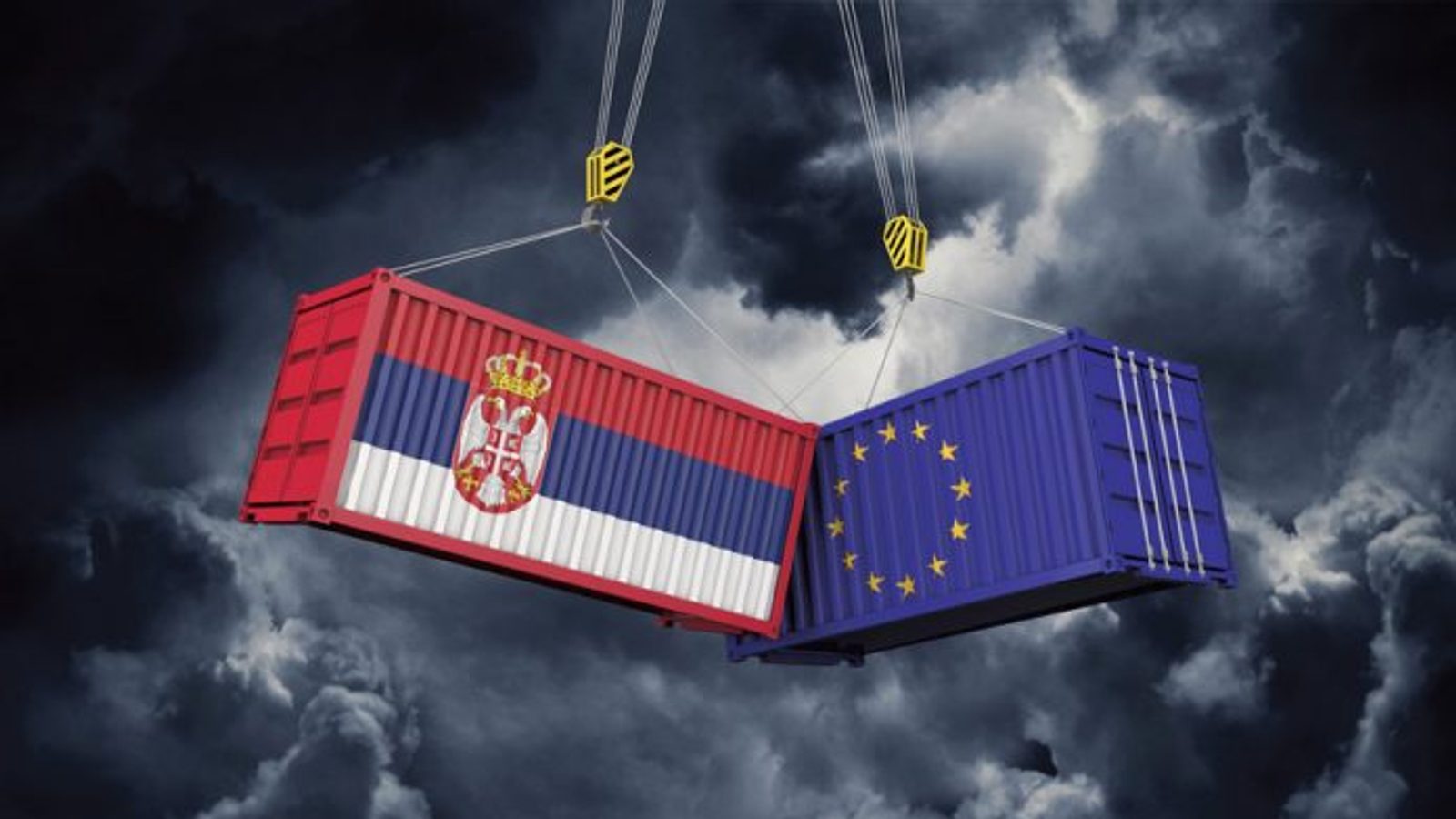
Serbia says it aims to join the Schengen area by the end of 2027 but, for now, will not introduce visas for Russian citizens, the head of the newly established Coordinating Body for Serbia’s accession to Schengen told Serbian media.
Joining Schengen requires full alignment of national visa rules with the European Union, a process that for Belgrade would include changing the current visa‑free regime with several countries — among them Russia. Serbian officials say the harmonization will proceed step by step.
“Serbia plans to join the Schengen area by the end of 2027, but at the moment it is not considering introducing visas for Russian nationals,” Velko Odalovic said. He presented the timeline while outlining the mandate of the new coordinating structure tasked with preparing Serbia’s entry into Schengen.
Odalovic stressed the issue of visa policy is not being rushed domestically. “That is not a priority at this moment, nor something we put at the forefront. We are gradually moving toward alignment,” he said, underlining that Serbia will proceed incrementally.
Regional context and moves by neighbours
Montenegro has already adopted a different approach: from November it will impose visas on citizens of Russia, Turkey, China, Belarus and Saudi Arabia as part of aligning its visa policy with the EU. Belgrade has said it does not plan to follow that path immediately.
“We certainly will not do what Montenegro did, because apparently it has already received signals about when it will become an EU member,” Odalovic added. Separate government comments in Podgorica have said that all EU negotiation chapters are expected to be closed by the end of the year, a sign of that country’s progress toward EU accession.
Practical rules for Russian nationals remain in place: Russian citizens can stay in Serbia visa‑free for up to 30 days, after which they must apply for temporary or permanent residence. A notable number of Russians moved to Serbia before and after the start of the invasion of Ukraine in 2022.
Photo: Profimedia