Serbia criticises Hague verdict on former KLA leaders
President Aleksandar Vučić says the court avoided undermining the KLA’s credibility after convictions of Hashim Thaci, Kadri Veseli, Rexhep Selimi and Jakup Krasniqi.
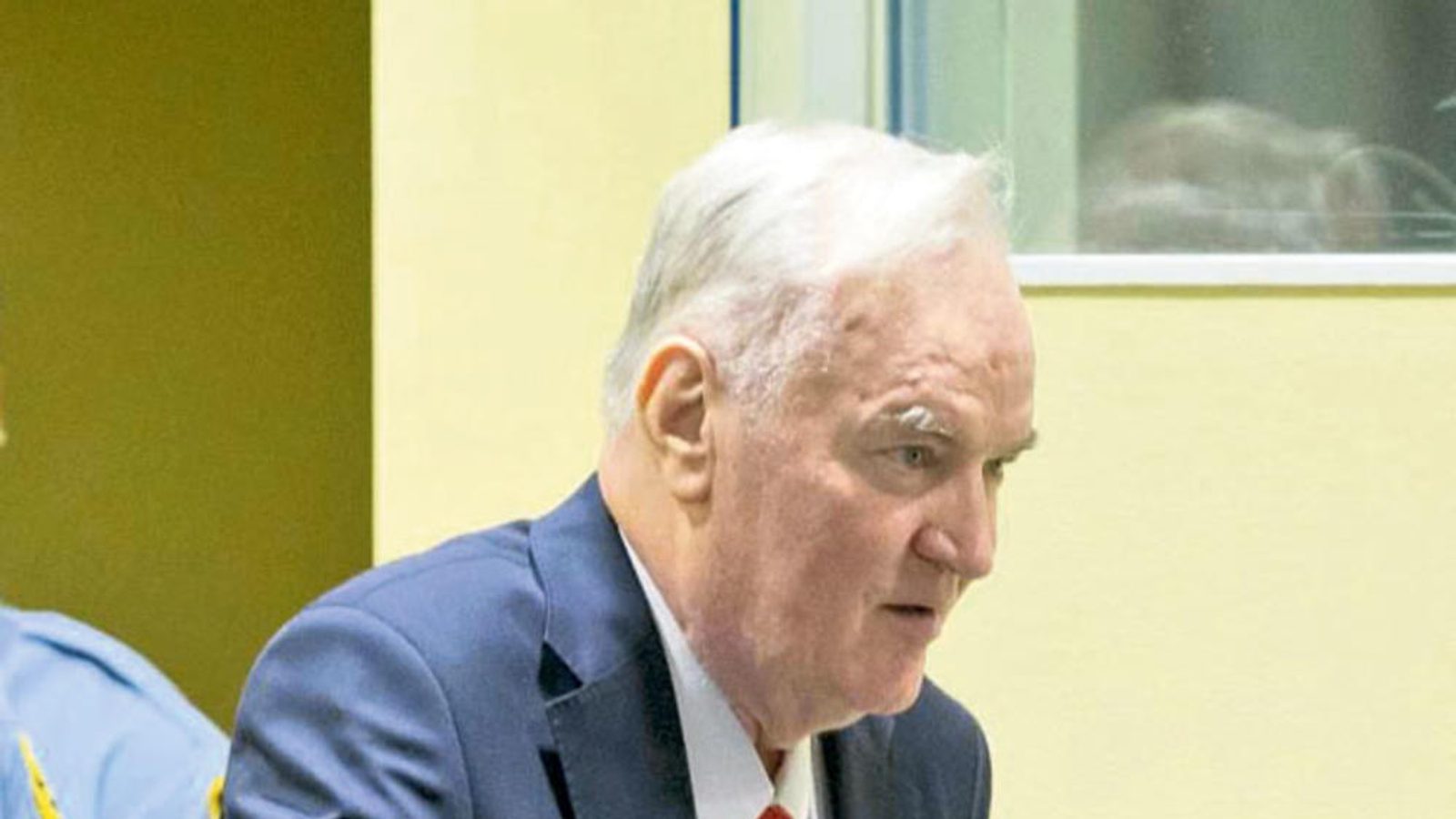
The Specialised Chambers in The Hague on 16 September 2026 sentenced four former KLA leaders to a total of 81 years in prison, drawing sharp reactions from Serbia. Hashim Thaci and Jakup Krasniqi received 25-year terms, Kadri Veseli 18 years and Rexhep Selimi 13 years; the court found them guilty of war crimes committed during the 1998–1999 conflict and identified 385 cases of arbitrary detention, 49 of cruel treatment, 303 of torture and 96 murders.
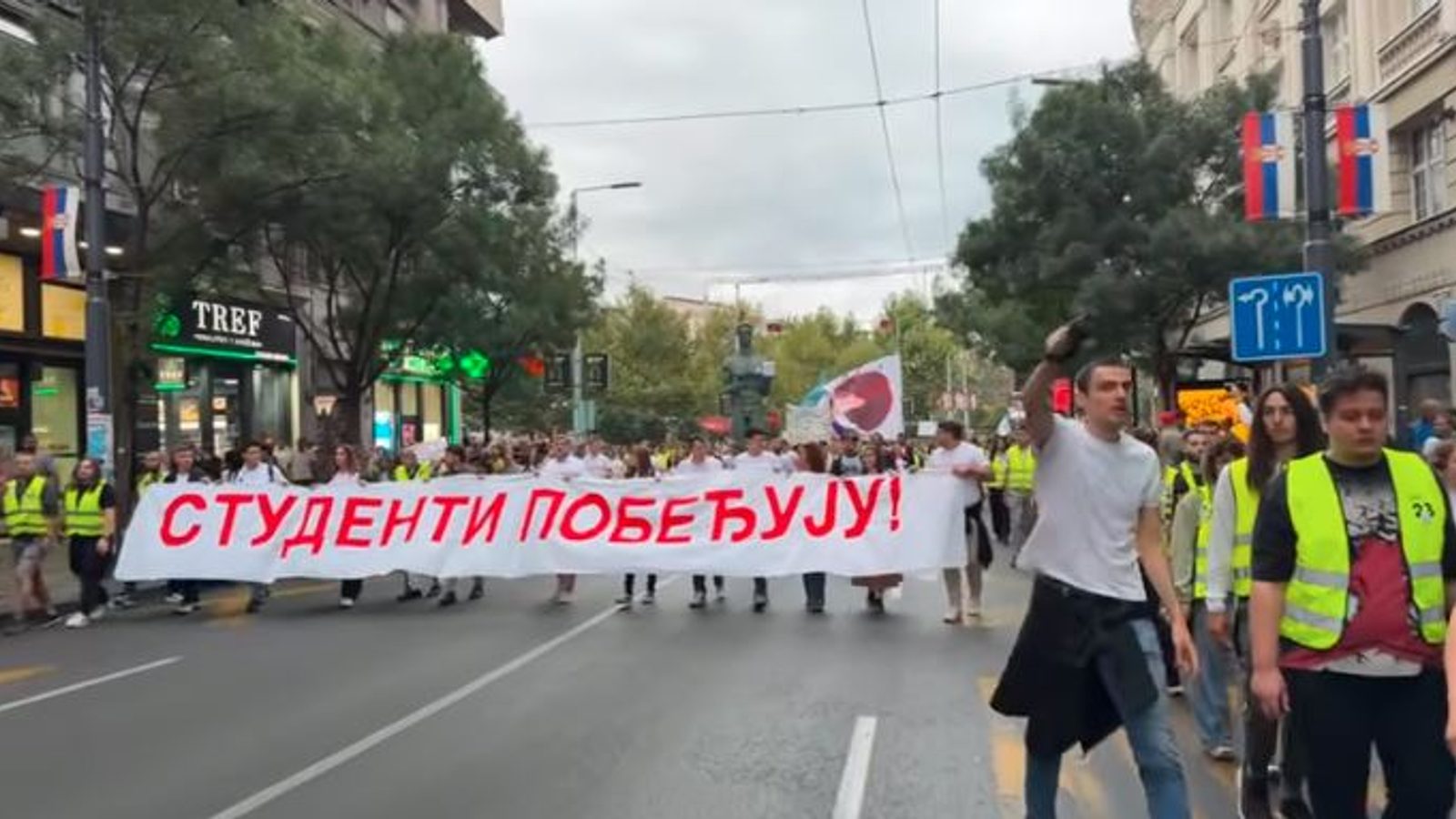
At a Belgrade press conference President Aleksandar Vučić criticised the court for stopping short of convicting the defendants for crimes against humanity. He said: "As the court of the so‑called Kosovo they did not want to undermine the KLA's credibility and did not get into the substance of the case regarding the formation of forces to secede Kosovo from Serbia and the FRY." Vučić also argued the ruling did not cover crimes against Serbs after 20 June 1999 and accused regional actors of bias. He added: "Imagine if we had said that about any accused or convicted person. How many resolutions and declarations would there have been in various European and world parliaments against our people and our country?"
Verdict, evidence and the court's findings
The judgement, the court said, was based on testimony from 373 witnesses and 5,467 exhibits. Judge Charles Smith described the conduct of the four and other KLA members as contributing to a "joint criminal enterprise" that included killings, detention without due process and physical and psychological abuse. The court acquitted them of crimes against humanity on the grounds that a systematic attack on the civilian population by the KLA was not proved.
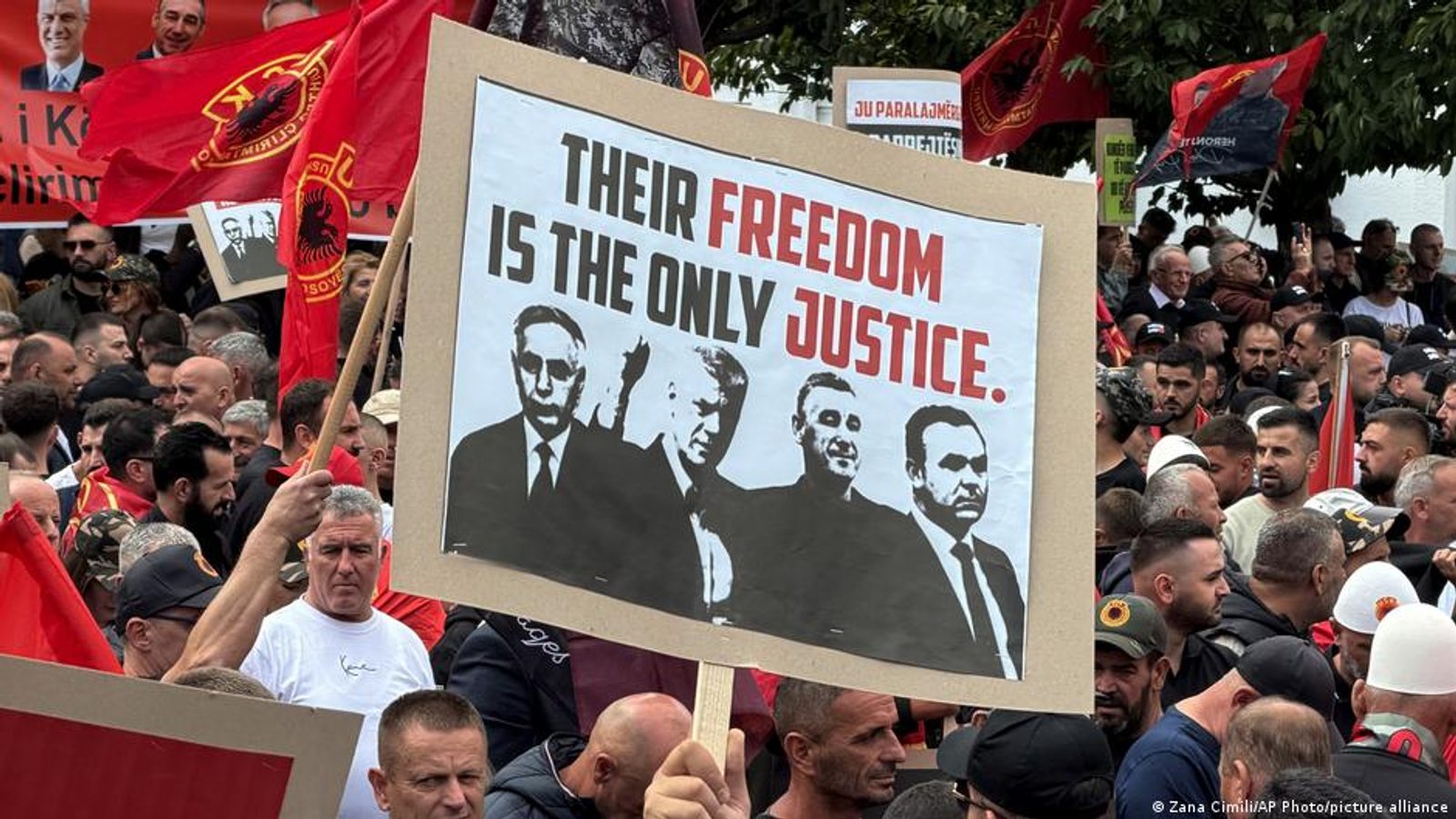
Reactions across the former Yugoslavia varied: in Pristina mass demonstrations erupted and Prime Minister Albin Kurti called the verdict "an unacceptable injustice." The ruling prompted anger and protests in Kosovo while Belgrade emphasised perceived omissions in the judgement and the need to remember crimes against Serbs.
Belgrade-based war crimes lawyer Aleksandar Olenik welcomed the decision as progress for international criminal law and stressed the importance of individualising guilt. "Now we have convictions and individualisation of guilt," he said, noting the court heard fewer than 400 victim testimonies and that 96 people were found killed in the case. Olenik argued that other members of the KLA named in the summary but not indicted should be prosecuted by Kosovo's domestic justice system, including incidents after 20 June 1999.
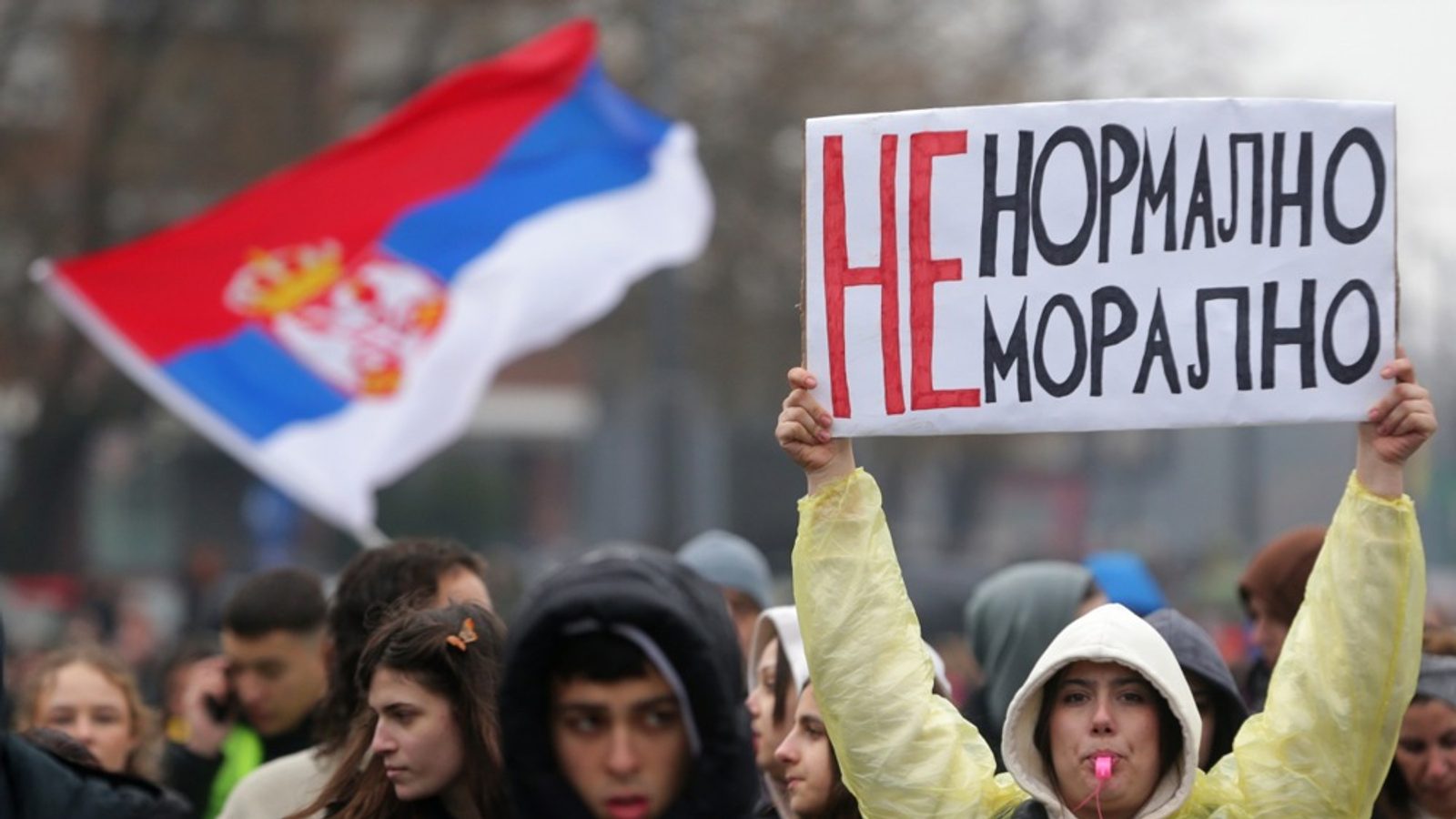
Civil society voices warned the verdict could be exploited politically. Stasa Zajović of Women in Black said neither "the Serbian regime nor the Kosovo authorities" were using the rulings to reassess their own responsibility, "but to increase the potential for conflict." She added that international forces monitoring the situation reduce the chances of renewed armed confrontation, although the risk that the war could continue "by other means" remains.
Photo: press material from the event