Serbia confirms six new West Nile cases; most developed neuroinvasive form
Six new cases have been confirmed in Serbia; experts explain common and warning symptoms of the neuroinvasive form.
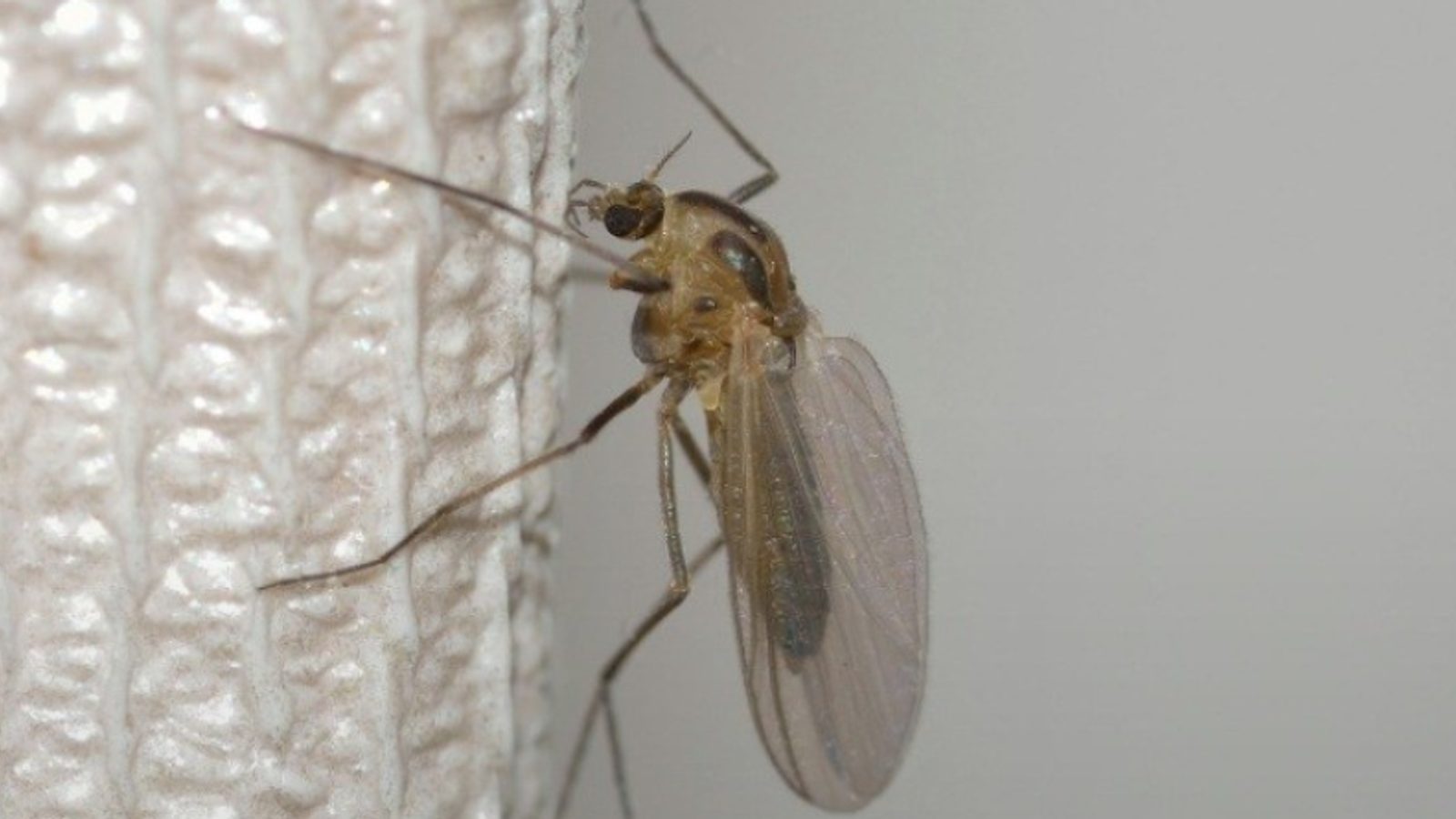
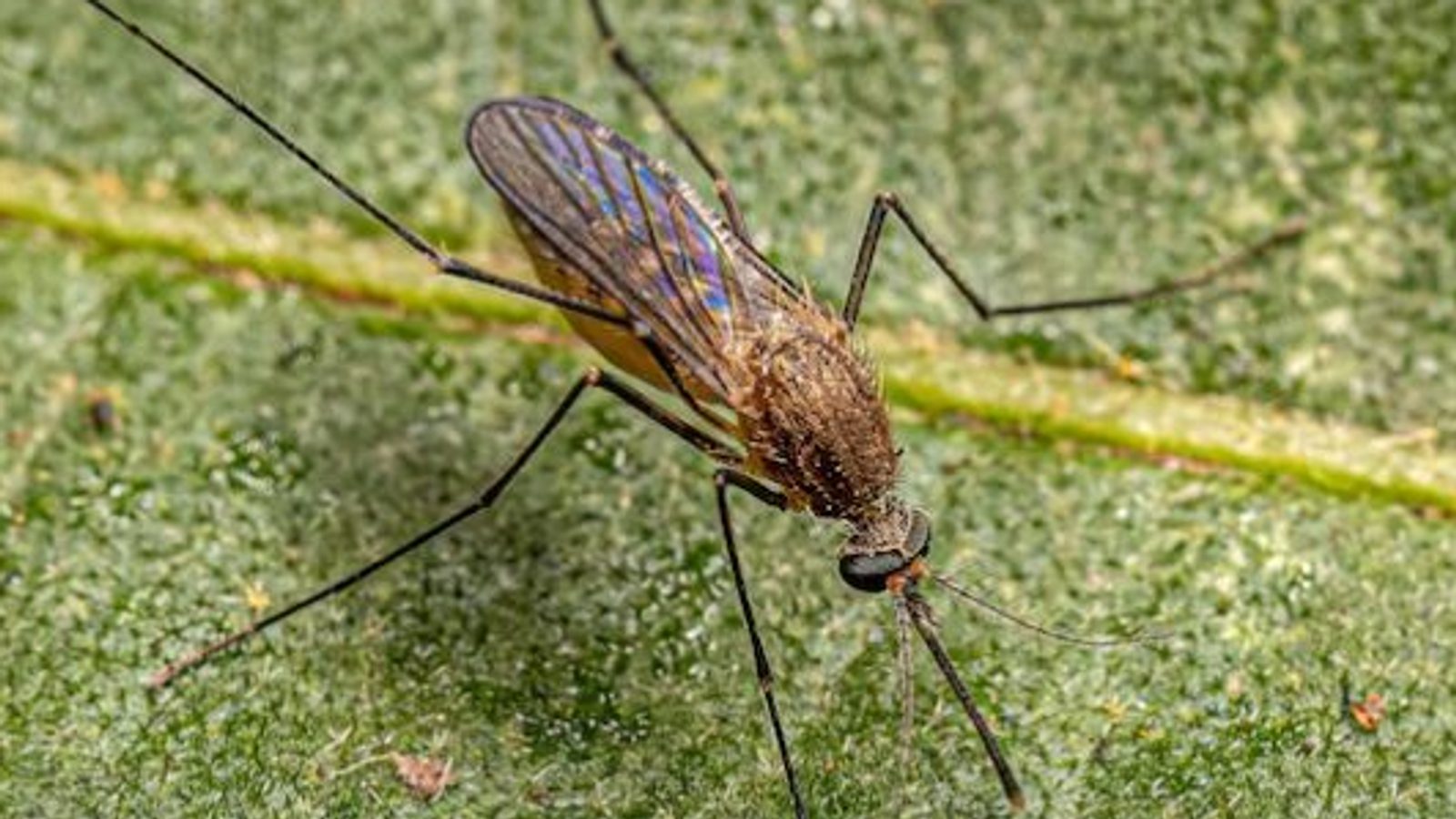
Serbia has confirmed six new cases of West Nile virus, and health authorities report that most of the recorded patients have developed the more serious neuroinvasive form of the disease. Still, experts warn that a surge in severe cases among those diagnosed does not mean most infected people will experience complications.
According to the World Health Organization, roughly 80 percent of infected people show no symptoms. About 20 percent develop West Nile fever, while the severe form that affects the nervous system appears in approximately one in 150 infected individuals. The virus is transmitted to people most commonly through the bite of an infected mosquito; mosquitoes become infected after feeding on birds, which are natural hosts. The disease is not spread through ordinary person-to-person contact.
The incubation period does not begin immediately after a mosquito bite. The WHO states that incubation usually lasts from 3 to 14 days, while the U.S. Centers for Disease Control and Prevention note that in some people symptoms may start in just a few days. There is no single symptom that always appears first; the illness typically begins suddenly and may include:
- fever,
- headache,
- marked fatigue and malaise,
- muscle and joint pain,
- nausea and vomiting,
- diarrhea,
- a rash, most often on the trunk,
- swollen lymph nodes,
- eye pain.
The European Centre for Disease Prevention and Control notes that a mild infection can pass in about one week, but some patients may experience fatigue and weakness for weeks or even months.
Symptoms that suggest neuroinvasive (severe) disease
The West Nile virus can invade the central nervous system. The development of the severe, neuroinvasive form may be signalled by:
- high fever,
- very severe headache,
- neck stiffness,
- disorientation and confusion,
- altered consciousness,
- pronounced drowsiness,
- tremors and seizures,
- muscle weakness,
- difficulty moving,
- paralysis,
- coma.
The appearance of neck stiffness, disorientation, altered consciousness, seizures, sudden muscle weakness or paralysis requires urgent medical assessment.
Severe disease can affect people of any age, but risk is higher in older adults and in those with weakened immune systems. The ECDC lists additional risk factors including high blood pressure, diabetes, kidney disease, certain malignant and haematological disorders, and alcohol abuse. For that reason, older and chronically ill people should take high fever accompanied by severe headache, neck stiffness or neurological symptoms especially seriously.
Prevention focuses on avoiding mosquito bites: use insect repellent, wear long sleeves and trousers, install window screens and remove containers with stagnant water from yards and terraces. Extra caution is advised at night, when common household mosquitoes — among the main carriers of West Nile virus in Europe — are particularly active.
Photo: press material from the event