Serbia heads into most uncertain vote since 2000 as Vučić returns to lead list
Early elections on 25 October pit Aleksandar Vučić against a new student-led political list formed after mass protests.
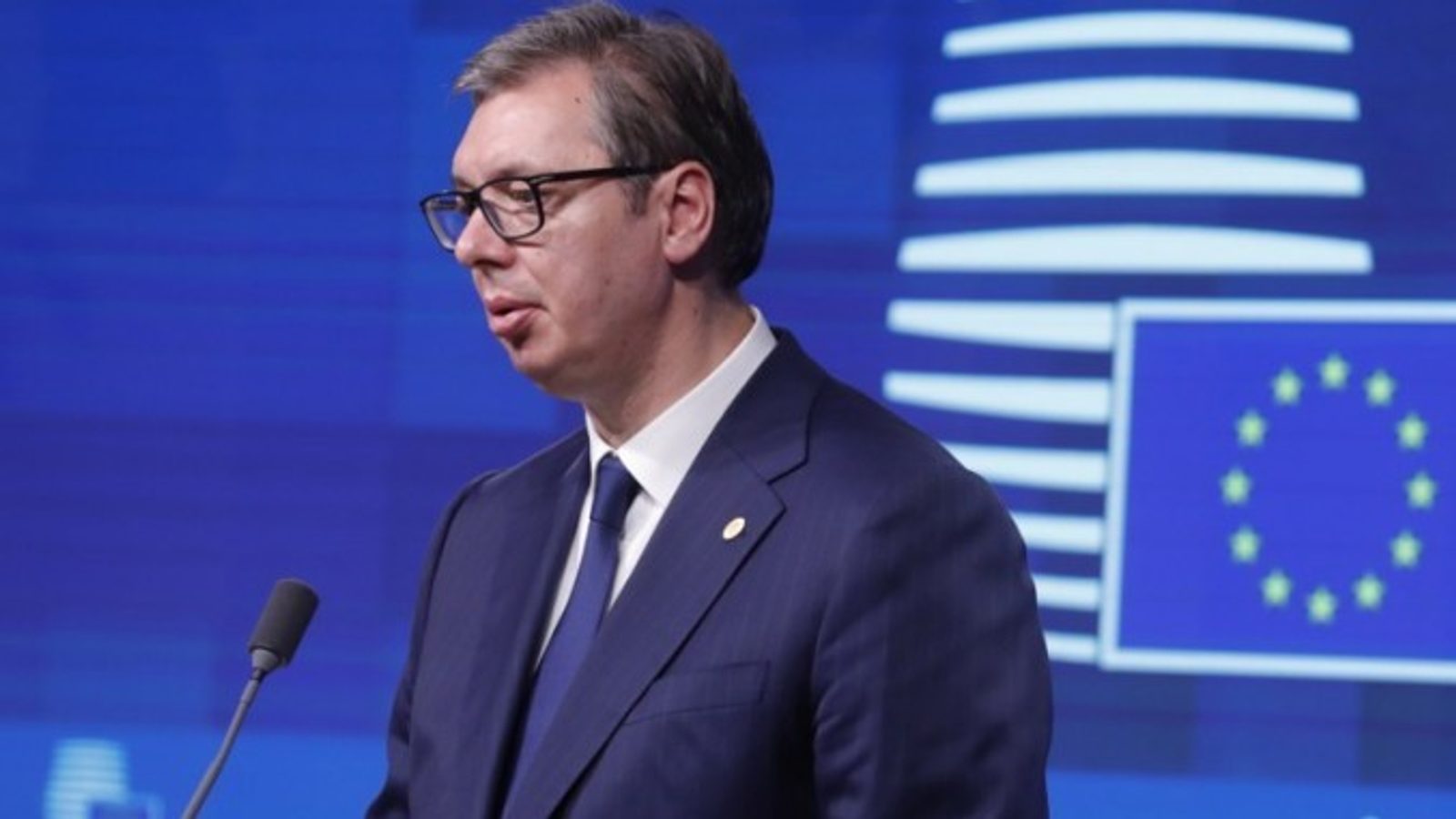
Serbia heads into what many analysts call the most uncertain election since 2000: early parliamentary elections on 25 October 2026 where Aleksandar Vučić has stepped down as president to lead the Serbian Progressive Party’s ticket and seek the premiership.
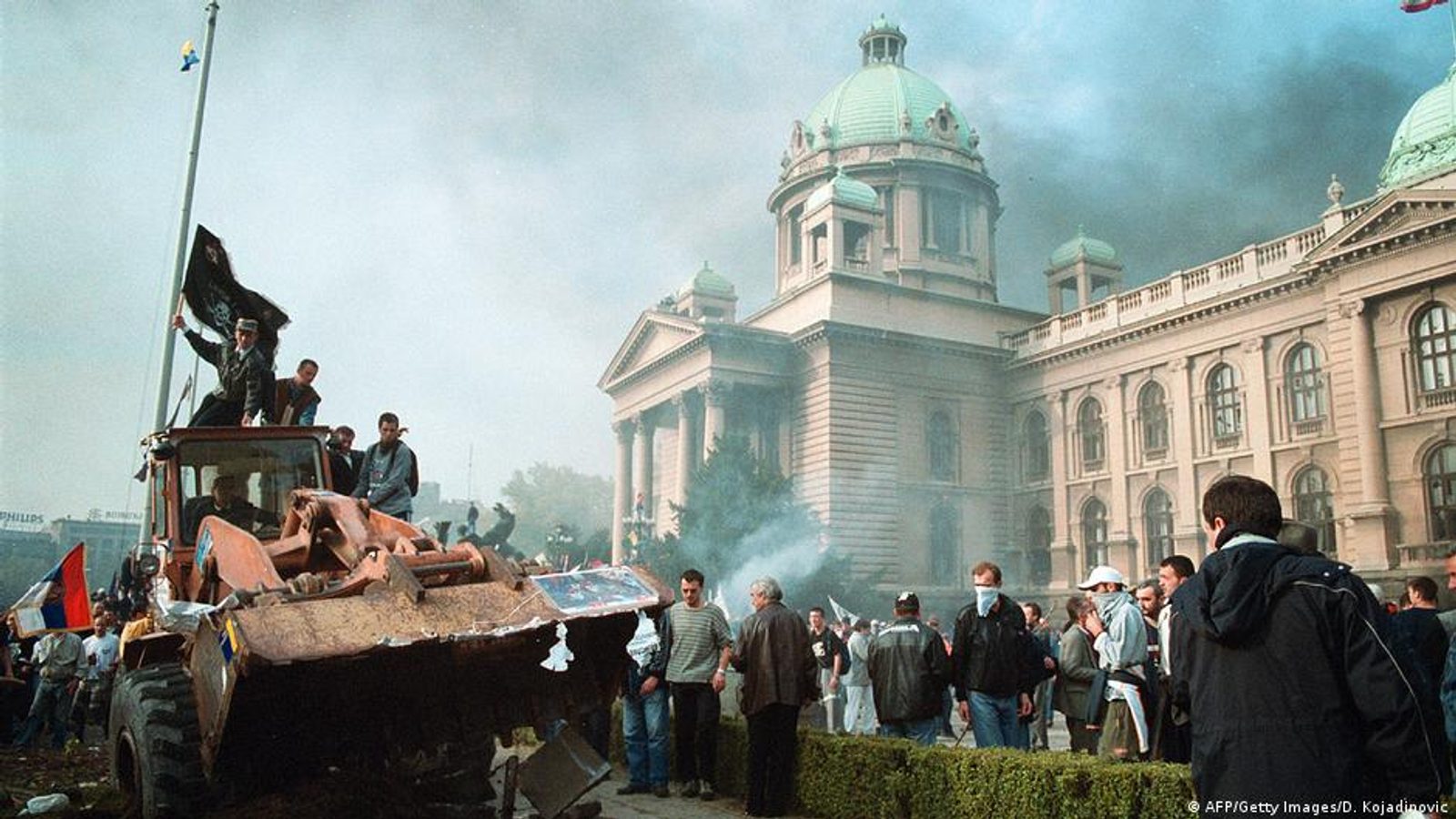
For Vučić, the date carries heavy historical weight. The anniversary of 5 October 2000 — when mass street protests forced Slobodan Milošević to accept defeat — remains a defining trauma in Serbian politics. As Vučić himself once said, "Times are coming when all the social dregs, all the mud, everything bad in a society comes to the surface. We survived and learned those lessons. That's why we win."
The current contest is different from previous opposition efforts: the main challenge now comes from a student-led slate born out of sustained protests against corruption and abuse of power. The mobilization followed the collapse of the canopy at the newly renovated Novi Sad railway station at the end of 2024, an accident that killed 16 people and triggered months of university occupations and mass demonstrations.
Polls, polarization and strategy
The students’ ticket put forward professors, activists and public figures rather than career politicians. Some polls have shown the student list at 44.4 percent support against 41.7 percent for Vučić’s camp, and several opposition parties have withdrawn to endorse the students. At the same time, surveys produced by institutes close to the government predict a decisive Vučić victory — a contrast that feeds public scepticism, given low trust in institutions and media.
“These elections are a referendum,” public-opinion researcher Dušan Lj. Milenković warns, framing the choice ahead as binary: either a break with Vučić’s long-dominant leadership or the prospect of prolonged repression. Many voters, he says, view the ballot as deciding Serbia’s political trajectory for decades.
Veteran politician Zoran Živković, who was part of the 2000 coalition, stresses the difference with the early-2000s opposition: “Back then there was a real and well-organized opposition. Unfortunately, today's opposition in Serbia looks like a dinosaur in the 21st century. Either it no longer exists, or it has sold itself to the regime. In any case, it does not help Serbia become a state of honesty and law again.” Živković also advises the student movement to prepare immediate reform plans, adding that “People who are in power today should not be allowed to stand even for a municipal council.”
Opponents of the government fear electoral manipulation and even violent interventions by police or pro-regime groups, a worry amplified by past episodes during protests. Jovo Bakić, a sociology professor and candidate on the student list, says he is confident of victory but expects Vučić not to accept defeat — and hints the students have contingency plans. When asked what those plans are, Bakić smiled and said: "I can't reveal that."
With polling divided, institutions weakened and memories of 5 October alive in political debates, Serbia enters a high-stakes vote whose outcome could reshape the country's course for years to come.
Photo: Protesti vo Kranjevo protiv vlasta vo Srbija)