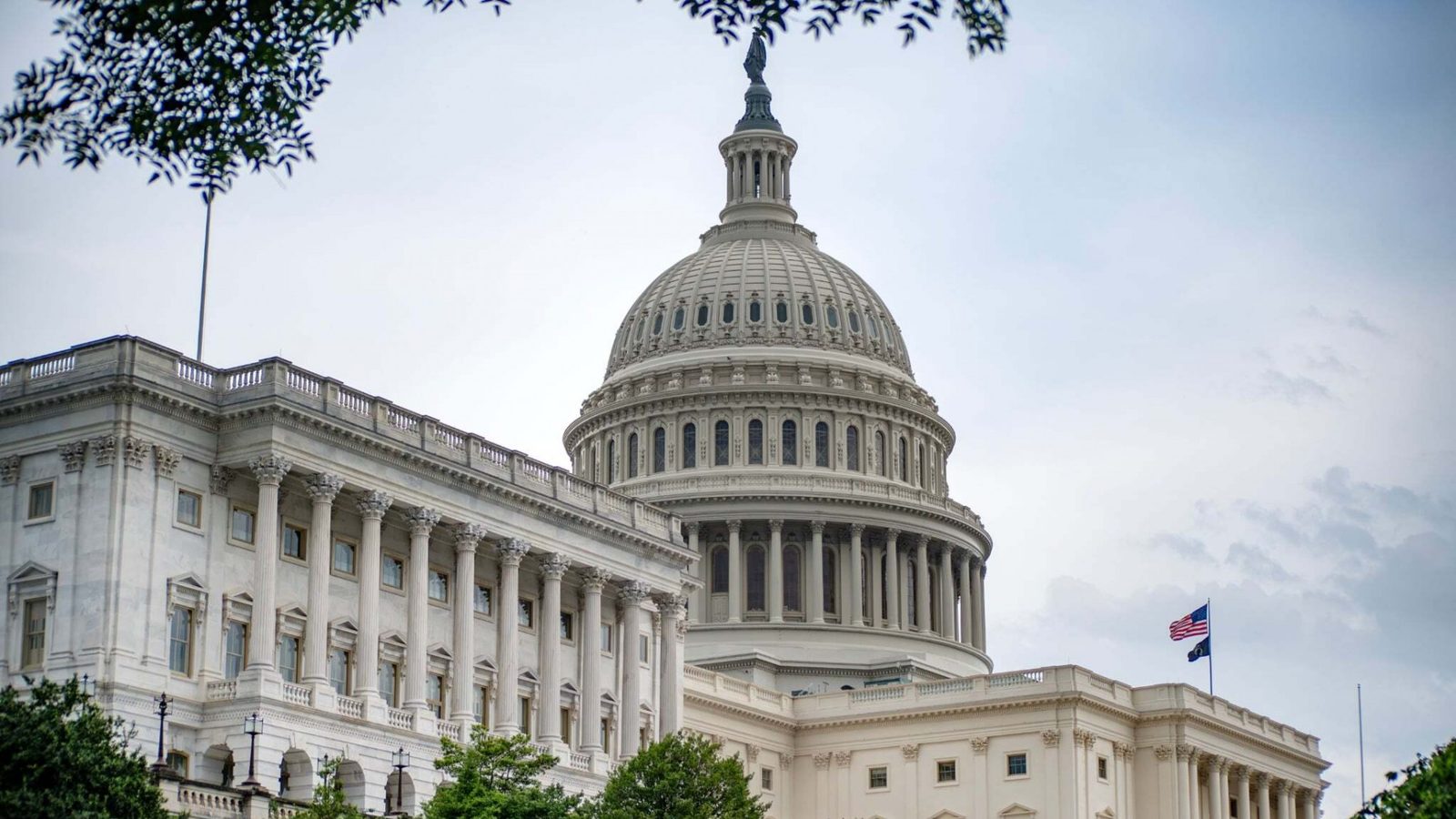
U.S. midterms 2026: Senate, House and governor races to shape the next two years
Midterm ballots on November 3 will decide 435 House seats, 35 Senate races and 36 governor contests that will shape Washington’s balance of power.

On Tuesday, November 3, 2026, Americans will cast ballots in nationwide midterm elections that will decide control of the United States Congress and the political balance in many states. These so‑called midterms take place halfway through the president’s term and this year are widely read as a barometer of the public’s view of President Donald Trump’s policies.
What voters are choosing and why it matters
Every voter will help choose all 435 members of the House of Representatives, each elected for a two‑year term from single‑member districts. About one third of the Senate — 35 of the 100 seats — is also on the ballot this year; senators serve six‑year terms and only a subset of states vote for Senate seats in any given midterm cycle. In addition, voters in 36 states will elect governors, whose powers include major say over issues such as abortion laws, education and how elections are run.
Midterms frequently affect the president’s ability to govern. As J. Miles Coleman, an election analyst at the Center for Politics at the University of Virginia, has explained, “often represent a referendum on the president and the party currently in power.” If the president’s party holds both chambers, it is easier for the White House to pass its agenda; if Democrats win control of one or both houses, it will be much harder for President Trump to enact major domestic or foreign‑policy changes.
Current partisan numbers give the Republican Party a narrow edge in both chambers. In the House of Representatives there are 218 Republicans, 214 Democrats and one independent who usually votes with Republicans; two seats are vacant. Analysts generally judge it likely that Democrats could flip the House — “It would be a surprise if the Democrats did not win at least the majority in the House of Representatives,” Coleman told CBS in late October.
In the Senate, Republicans hold 53 seats and Democrats 45, along with two independents who typically vote with Democrats. The vice president — J.D. Vance, a Republican in the Trump administration — currently holds the tie‑breaking vote on an evenly split Senate. For Democrats to secure a Senate majority they need roughly four pickups; one of the most closely watched contests is in Texas, where Democrat James Talarico and incumbent Republican Ken Paxton are polling neck‑and‑neck — a remarkable development given that no Democrat has won a comparable Senate race in Texas since 1994.
Governor’s races also carry historic potential. Several contests have drawn attention because African‑American women are competitive candidates. In Minnesota the ballot features Democrat Amy Klobuchar against Republican Lisa Demuth, and in Georgia Democrat Keisha Lance Bottoms faces Republican Rick Jackson. A victory by Lisa Demuth in Minnesota is seen as unlikely given the state’s Democratic lean and Klobuchar’s high profile, while the Georgia governor’s race is described as very close in recent polls — giving Bottoms a real chance.
Photo: press material from the event