Study: Germany may lose 1.7 million people by 2045 — eastern regions hardest hit
The "Demographic State of the Nation" study, presented on October 6, 2026, warns of ageing and sharp regional losses, especially in eastern Germany.
A new demographic study warns that Germany could lose roughly 1.7 million inhabitants by 2045, with a marked shift toward an older population and fewer people of working age.
Regional gaps deepen — eastern Germany most exposed
The analysis, titled "Demographic State of the Nation" and presented on October 6, 2026, by the Berlin Institute for Population and Development and the Wüstenrot Foundation, projects a national population of about 81.8 million in 2045 — around 1.7 million fewer people than today, roughly the size of a city like Munich.
Authors of the study say the decline will not be evenly distributed. More than two-thirds of Germany's roughly 400 districts and independent cities could see population losses by 2045. While growth is expected to continue in urban centres such as Leipzig, Potsdam and Dresden and in the Dahme-Spreewald district around Berlin, many other areas face steep declines.
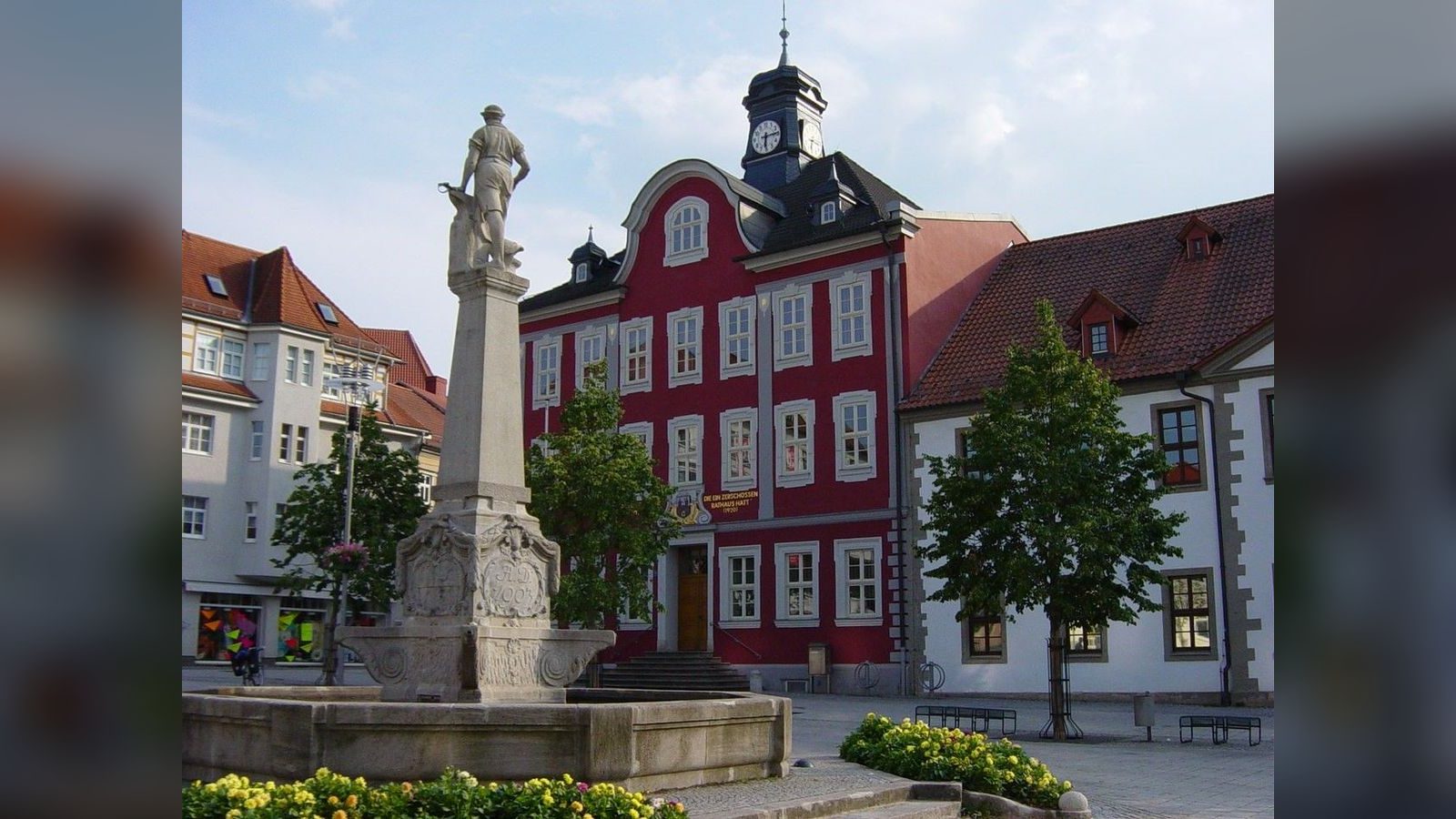
According to the study, 42 of the 50 regions with the largest expected falls in population are located in eastern Germany. One dramatic example is the town of Suhl in Thuringia, which the authors say could lose up to 30% of its residents.
Demographers warn the combined effects of overall population shrinkage, a rising proportion of older residents and a smaller working-age population will pose challenges for local services, labour markets and long-term planning across large parts of the country.
Policymakers and regional planners, the study concludes, will need targeted responses to cope with diverging regional trends — supporting growing metropolitan areas while managing decline in the most affected towns and rural districts.
Photo: press material from the event