Saint Elijah: August 2 and the customs associated with thunder and rain
The feast of Saint Elijah on August 2 connects biblical stories with folk beliefs about rain and thunder.
On August 2 the feast dedicated to Saint Elijah is celebrated — a day that in popular tradition is associated with thunder, rain and the fate of the summer harvest.
The feast falls in the driest part of the year and therefore the belief links it to whom it will bring rain and a fruitful year; for that reason many families honor it by banning work in the fields and refraining from household chores — because this is considered one of the major holidays of the year.
Origin and folk imagery
Elijah, also known as Elijah the Thunderer, is presented as a Hebrew prophet from the 9th century BCE, born in Tishbe. Stories of his life speak of a youth spent in the desert in prayer and of clashes with rulers when they abandoned the faith of Moses, for which he cursed drought and scarcity as divine punishment.
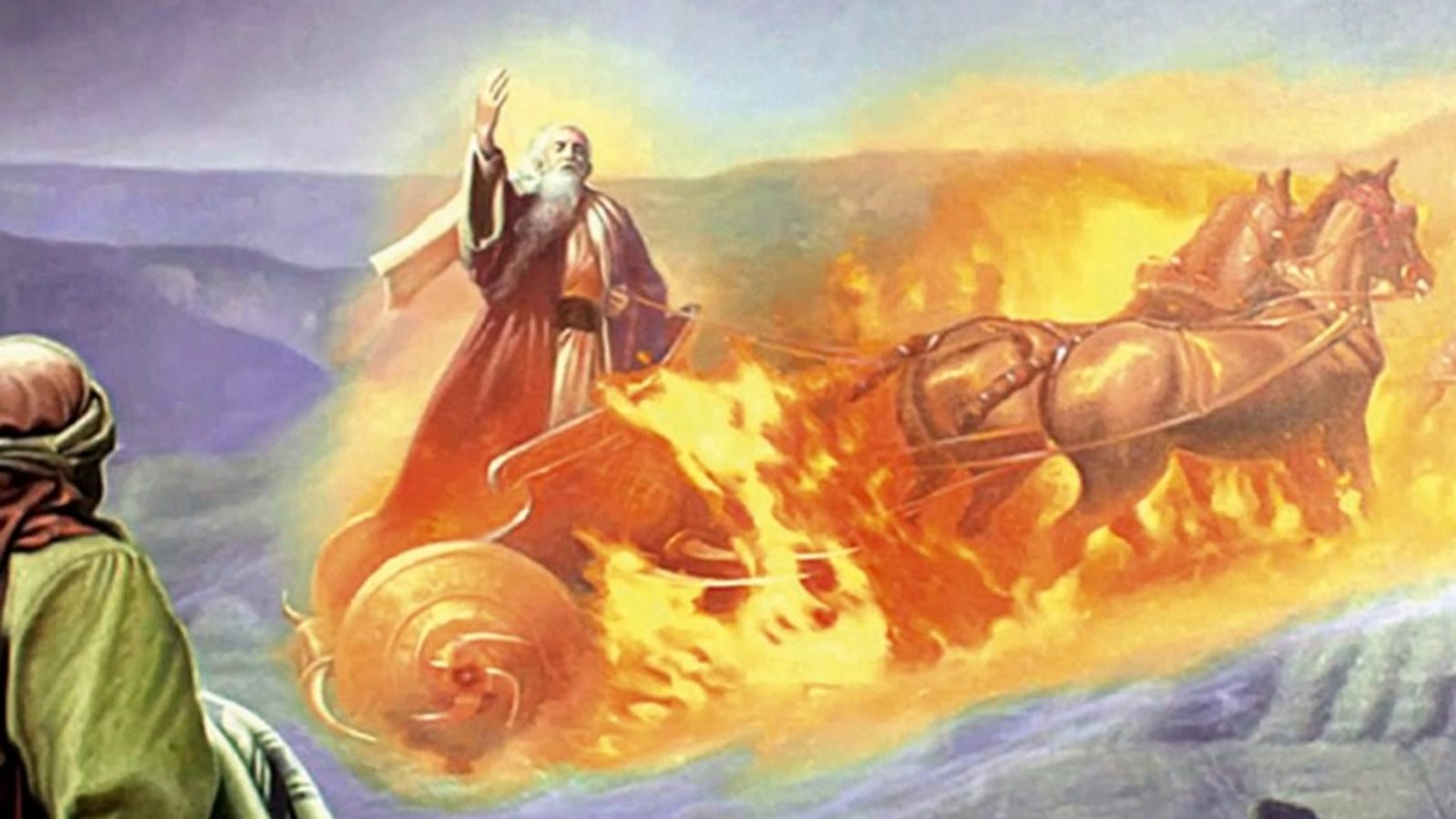
In folklore Saint Elijah travels the sky in a fiery chariot drawn by four horses whose nostrils emit flame; with thunder he punishes sinners, brings drought and strikes the devil with lightning. These images also explain people's caution toward that day.
One of the prohibitions says that “on this day you should not make the sign of the cross, so that the devil does not hide behind the cross”; there is also a custom to note where thunder strikes, because there, according to belief, sin dwells.
Those who celebrate their name day: Ilija, Ilko, Ilinka, Ilindenka, Ilina, Iljo and Ilcho — families share prayers and local customs that combine the church celebration with village tradition.
Photo: press material from the event