Prohor Pchinski: the saint whose relics reportedly still exude myrrh
Orthodox faithful gather on November 1 at the Prohor Pchinski Monastery, known for relics that reportedly exude holy myrrh.
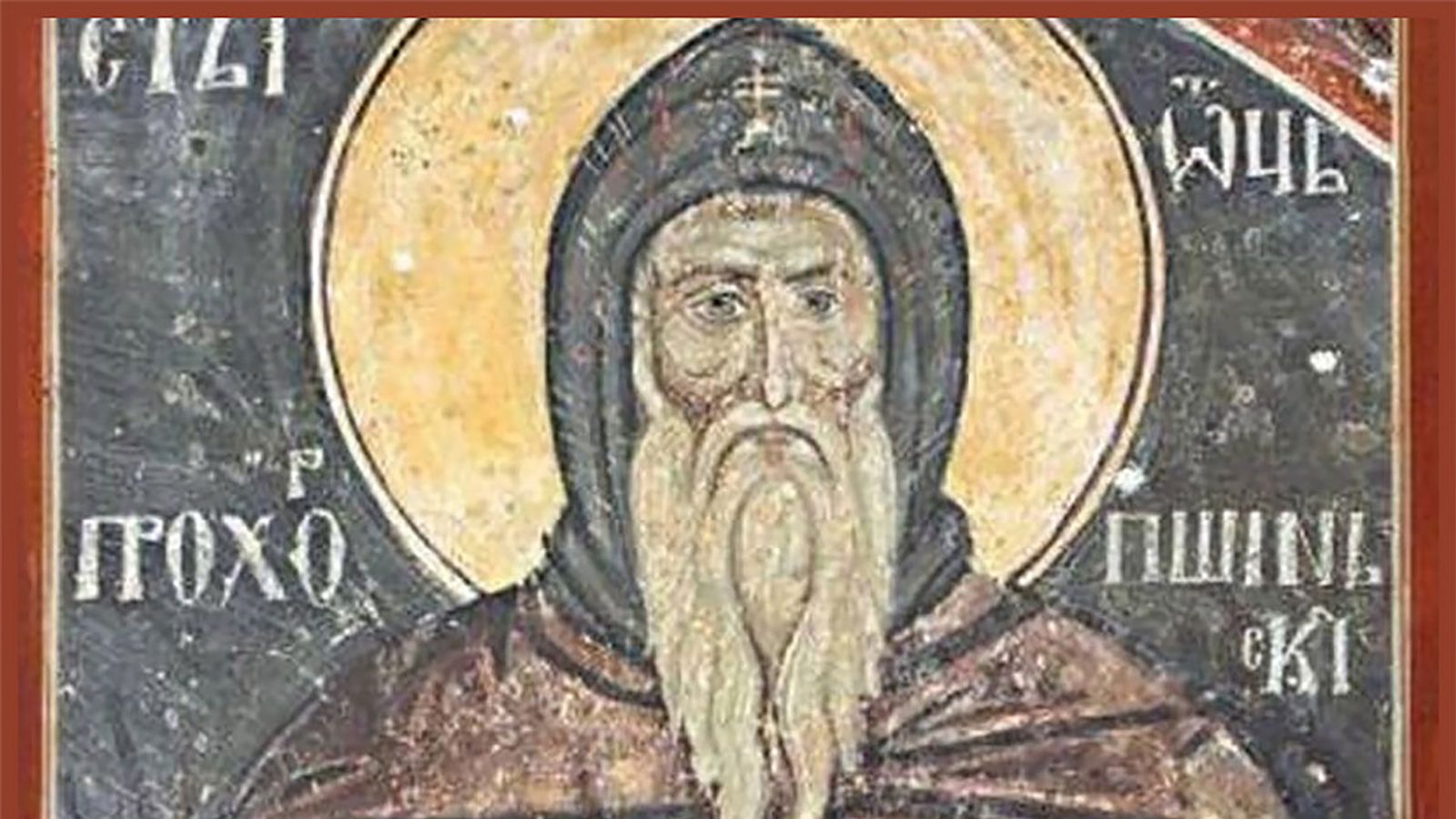
Every year on November 1 Orthodox Christians honour Prohor Pchinski, a prominent 11th‑century hermit whose name is woven into the spiritual history of the Pčinja valley. The celebration is also the monastery's patron feast; the Prohor Pchinski Monastery, set beneath the slopes of Mount Kozjak, has stood for more than 950 years.
From cave solitude to an imperial prophecy
According to tradition, Prohor spent over three decades in strict solitude in a small cave on Mount Kozjak. There he met a huntsman named Roman Diogen and foretold that the man would one day become emperor. When Roman Diogen later took the imperial throne he forgot the old hermit, but, the story goes, three decades after Prohor's death the saint appeared in a dream to the ruler with a rebuke. The alarmed sovereign went to seek the cave, found the saint's relics and then had an honourable church built.
The monastery draws daily visitors because Prohor Pchinski is considered unique in Orthodox tradition: his holy relics are said to continuously exude a sacred myrrh. Believers regard this phenomenon as a visible sign of grace and come to pray for healing and protection for their families.
Local devotion ties the place to countless accounts of recovered health, inner peace and consolation. Many worshippers say they feel an immediate calm upon crossing the monastery threshold and that everyday worries fade there; on the feast day congregations traditionally pray to the saint for health, luck and family safety.
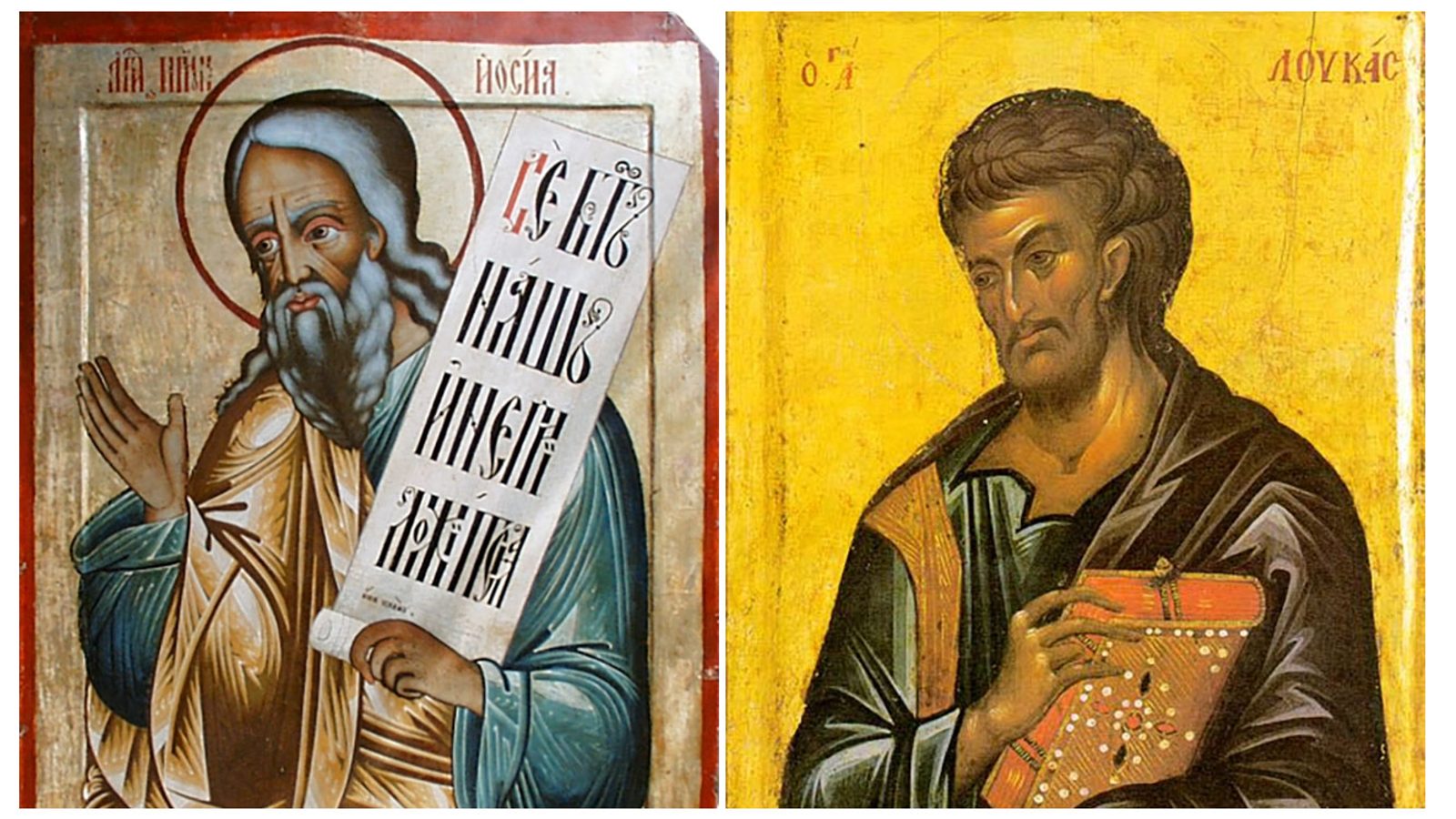
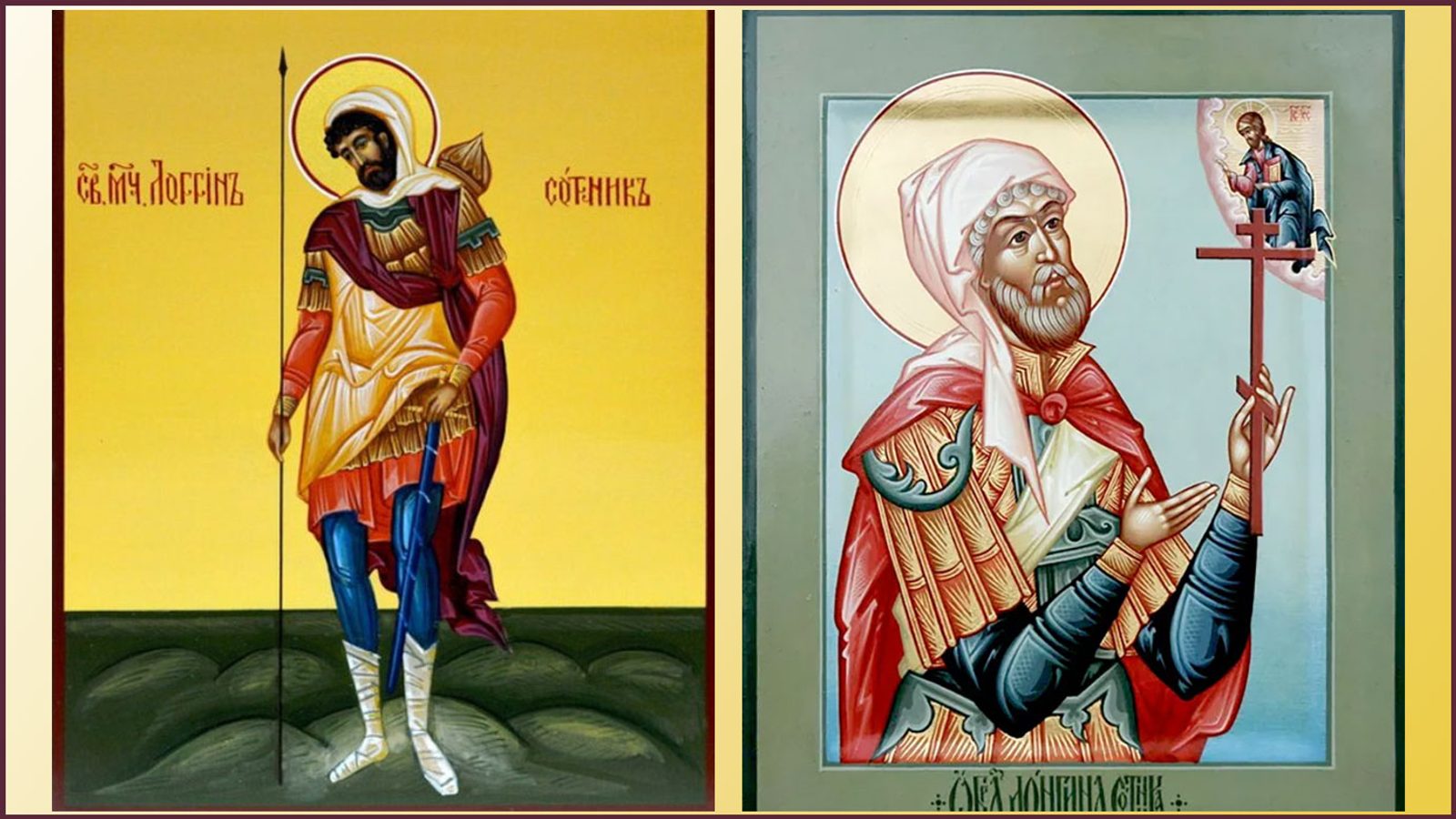
The liturgical calendar on this date also commemorates the Prophet Joel, the Martyr Uar with seven Christian teachers (around 307), and the Translation of the relics of St. John of Rila (1238), events observed alongside the monastery celebration.
Photo: press material from the event