Holy Nails of the Cross: where the notable European fragments are kept
Fragments associated with the nails used at the Crucifixion are preserved in Wawel Cathedral, Moscow’s Christ the Saviour and other European churches.
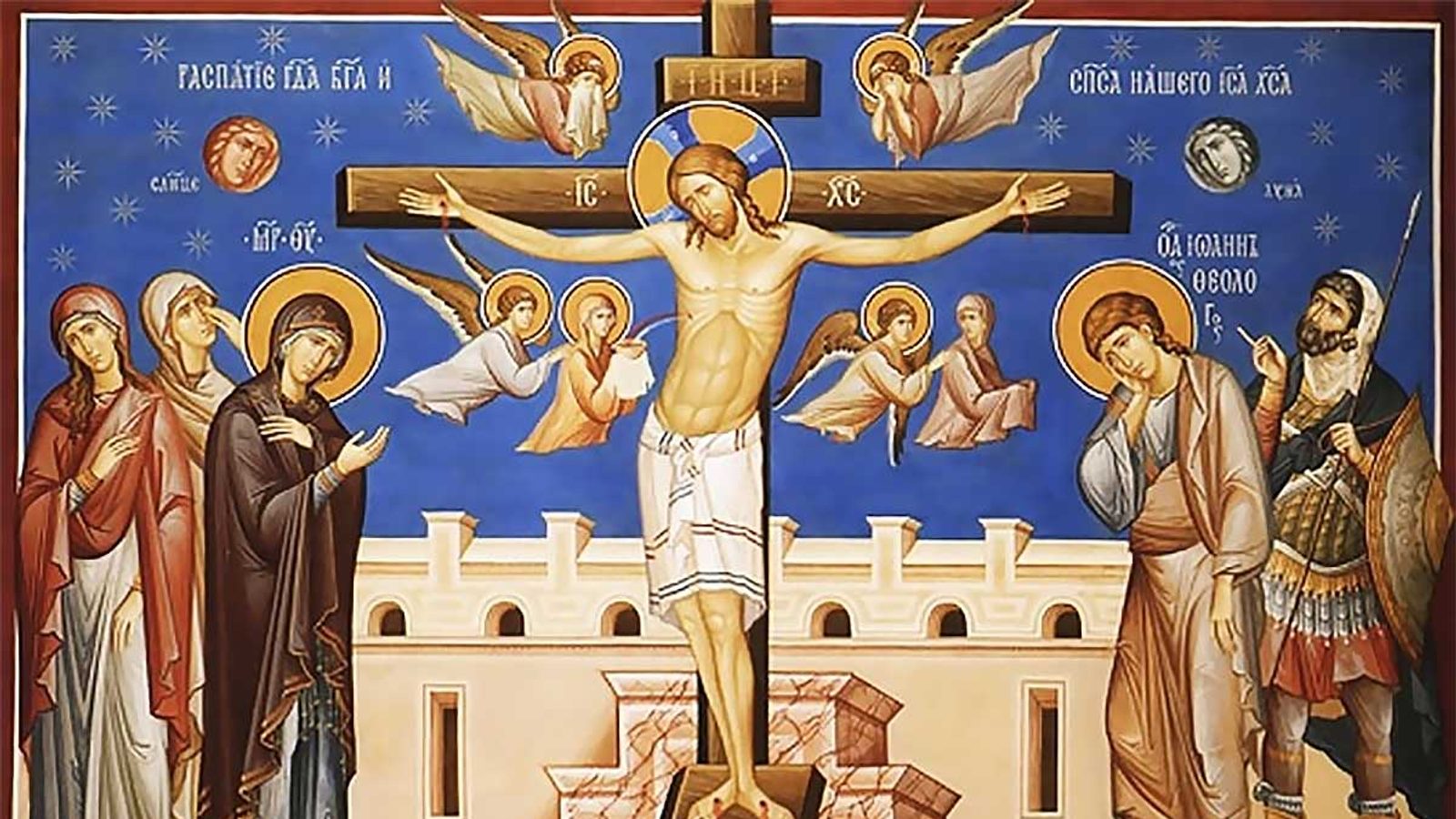
Relics linked to the Crucifixion of Jesus — and specifically the nails said to have been used to affix him to the Cross — have long fascinated believers and historians across Europe. Church tradition holds that some fragments survive in several churches and cathedrals on the continent.
According to that tradition, Empress Helena, mother of Emperor Constantine the Great, discovered the True Cross and the Holy Nails in Jerusalem in 325. The provenance of individual fragments has been traced through centuries of gifts, relocations and liturgical reuse.
Major known locations and key dates
One of the better-known fragments is kept at Wawel Cathedral in Krakow. Records state the relic arrived on June 30, 1425 as a gift from Pope Martin V to King Władysław Jagiełło and Queen Sophia, presented in recognition of Jagiełło’s role in the Christianization of Lithuania and on the occasion of the birth of his son. The preserved piece measures about 1.5 cm and was in the 15th century mounted onto a larger nail and fitted with a gold ring, a measure that helped its preservation, according to priest Jacek Urban.
Another important fragment is venerated in the Cathedral of Christ the Saviour in Moscow. Tradition holds that after the finds in Jerusalem the nails were dispatched to Rome and Constantinople and that over time parts changed hands. One nail, long cared for in the Kremlin’s museum collections, was in 2008 transferred into the Cathedral of Christ the Saviour by decision and blessing of Patriarch Alexy II, where it now draws pilgrims.
Additional relics are known elsewhere in Europe: one nail reworked as a bit for a horse’s bridle is kept in Milan Cathedral; the Basilica of St. Peter in Trier (Germany) claims a nail since 1356; and another significant fragment is preserved in the Church of the Holy Cross in Rome. None of these items has been established as objectively authentic by modern scientific verification, but they remain objects of devotion attracting streams of worshippers.
Whether viewed as historical evidence or as sacred tokens of faith, the Holy Nails continue to be among the most treasured and visited relics in European churches, their journeys through time reflecting both devotion and the complex history of medieval and early modern Christendom.
Photo: press material from the event