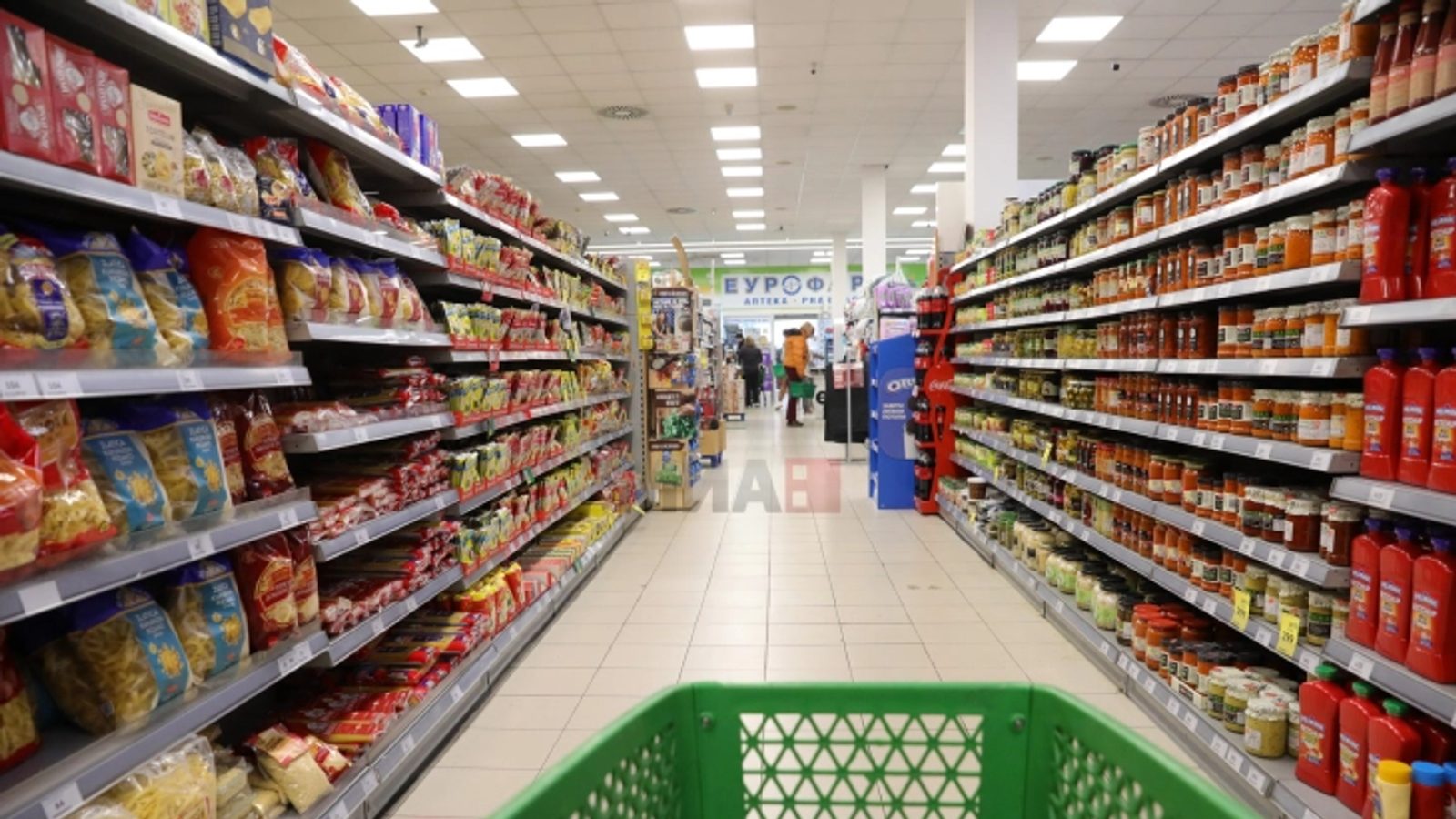
Global food prices hit highest level since January 2023 as wheat and maize climb
FAO reports a July uptick: the food price index averaged 131.1 points, with wheat and maize among the strongest risers.
Global food prices climbed again in July, reaching their highest level in about three and a half years, the Food and Agriculture Organization of the United Nations (FAO) reported on Friday. The FAO Food Price Index averaged 131.1 points in July, an increase of 0.6 percent from June.
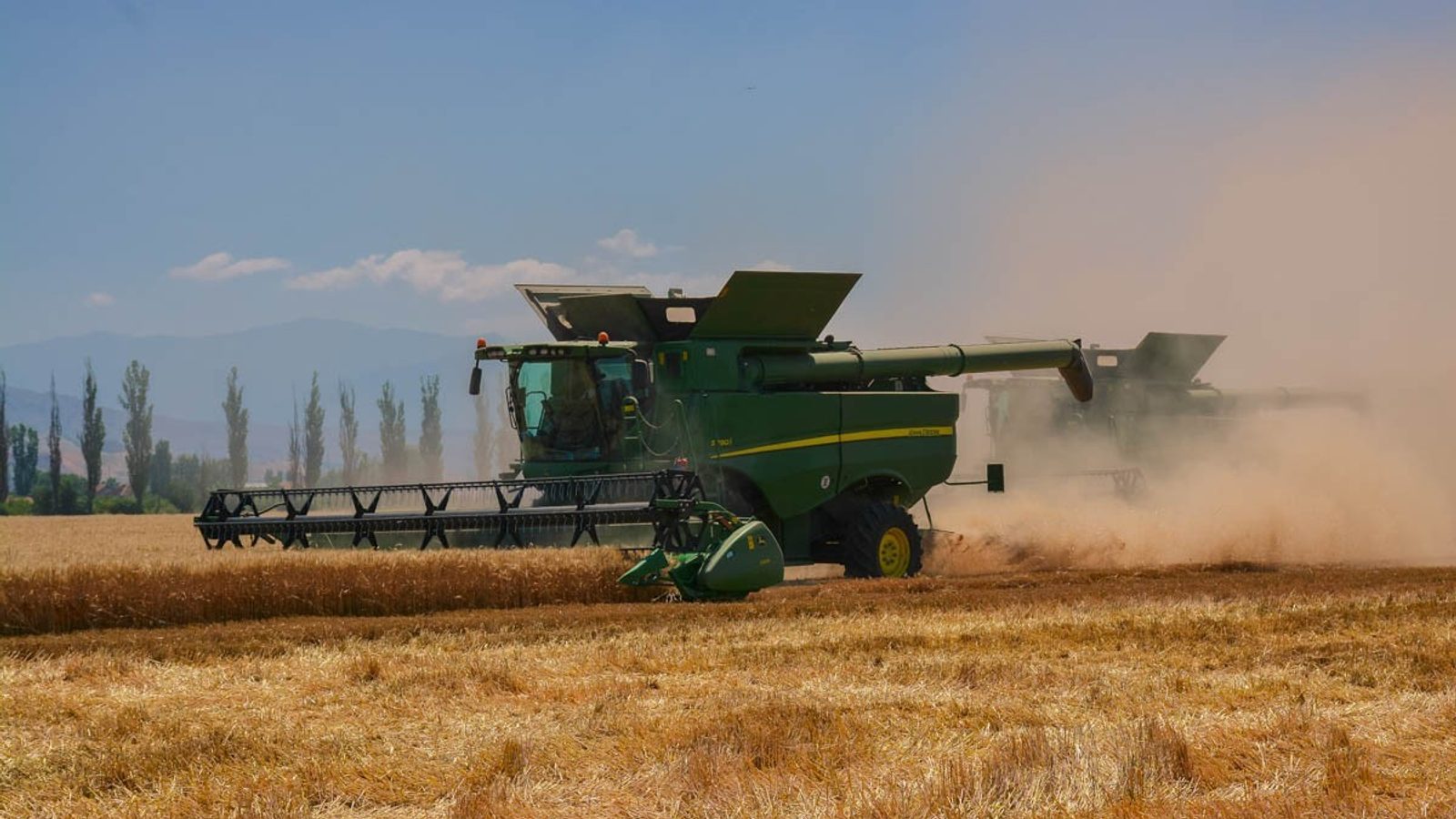
After a modest 0.3 percent decline in June that suggested a temporary stabilization, the index rose in mid‑summer to a level not seen since January 2023. Cereals led the monthly advance: the cereals subindex rose 3.4 percent in July compared with June.
Wheat prices jumped 5.8 percent, driven by concerns over exports from the Black Sea region and damage to export infrastructure, as well as fears that recent heatwaves could hurt harvests. Maize (corn) prices also climbed sharply, up 3.6 percent from June, influenced by hot, dry weather in the United States Corn Belt and by higher energy costs amid elevated geopolitical tensions.
Oilseeds, sugar and dairy show mixed patterns
Barley prices fell 1.9 percent as favorable harvest prospects in Australia and parts of the Black Sea region eased pressure, while rice prices remained broadly unchanged from June. Vegetable oils rose 2 percent in July, with the oils index reaching its highest level since June 2022.
Higher palm and soybean oil values pushed the overall oils index up, although sunflower oil and rapeseed oil were cheaper than in June. The increase in palm oil prices reflected strong biodiesel demand in Indonesia and higher crude oil prices.
Sugar prices surged 5.6 percent in July amid worries that prolonged hot and dry weather could damage crops in the European Union and that El Niño‑related patterns might reduce output among key Asian producers. Dairy prices fell 0.7 percent overall as lower butter and skim and whole milk powder values outweighed other changes, but cheese prices rose for the first time since July last year because of seasonally tighter milk supplies in the European Union.
Meat prices dropped 2.8 percent in July—the first monthly decline since the start of the year—after falls in poultry, pork and beef offset higher sheep meat values caused by constrained export supplies from Oceania and steady global demand.
Photo: Arhiva