Teddy Riner enters French presidential race
The 37‑year‑old judo legend from Guadeloupe runs without a party or program but quickly attracted mass attention online.

Teddy Riner, the multiple Olympic and world judo champion, announced his candidacy for the French presidential election scheduled for April 2027. The 37-year-old athlete from Guadeloupe enters the race without prior experience in public administration, without a political party behind him and, so far, without a published policy platform.
From sports hero to presidential hopeful
Riner’s early campaign has been built around a short slogan, social‑media appeals and a handful of public gestures. Using the slogan "France We Want," posts on Instagram and X and a visit to a hospital in the northern Paris suburb of Saint‑Denis, he rapidly reached a large audience: his combined video message, filmed in front of bookshelves and a French flag, was viewed by more than 28 million people.
Polling carried out by Ifop within 24 hours of his announcement put Riner at 22 percent support among respondents who said they might vote for him. Riner, who has won five Olympic gold medals and 11 world titles and also developed a business career, presents himself as an anti‑establishment candidate aiming to unite the country, improve households’ finances, oppose racism and tackle street crime.
Political analysts place him in the centre, opposing the extremes: economically and on law‑and‑order issues he leans right, while publicly taking a firm stand against racism — a stance directed particularly at Marine Le Pen. At the same time Riner has not detailed concrete positions yet on core national challenges such as pension reform, investment in education, cost of living, public debt, the rise of populism and Russia’s war in Ukraine.
Already crowded, the centrist field includes former premiers Édouard Philippe and Gabriel Attal, Raphaël Glucksmann supported by the socialists, Bruno Retailleau from Les Républicains, and the possible entry of Christine Lagarde after she leaves the presidency of the European Central Bank in February. Observers warn that another centrist candidate could further fragment votes and potentially increase Jean‑Luc Mélenchon’s chances of reaching the second round.
Reactions from the political class were mixed. Jean‑Luc Mélenchon welcomed Riner’s decision, framing a neither‑left‑nor‑right offer as effectively opposed to the left. President Emmanuel Macron called Riner "a great champion" and said politics is not reserved for professionals; Riner described Macron’s praise as a "poisoned chalice," telling reporters he is neither the president’s envoy nor a Macronist. Ahead lies the task of building a campaign team and translating name recognition into a concrete program.
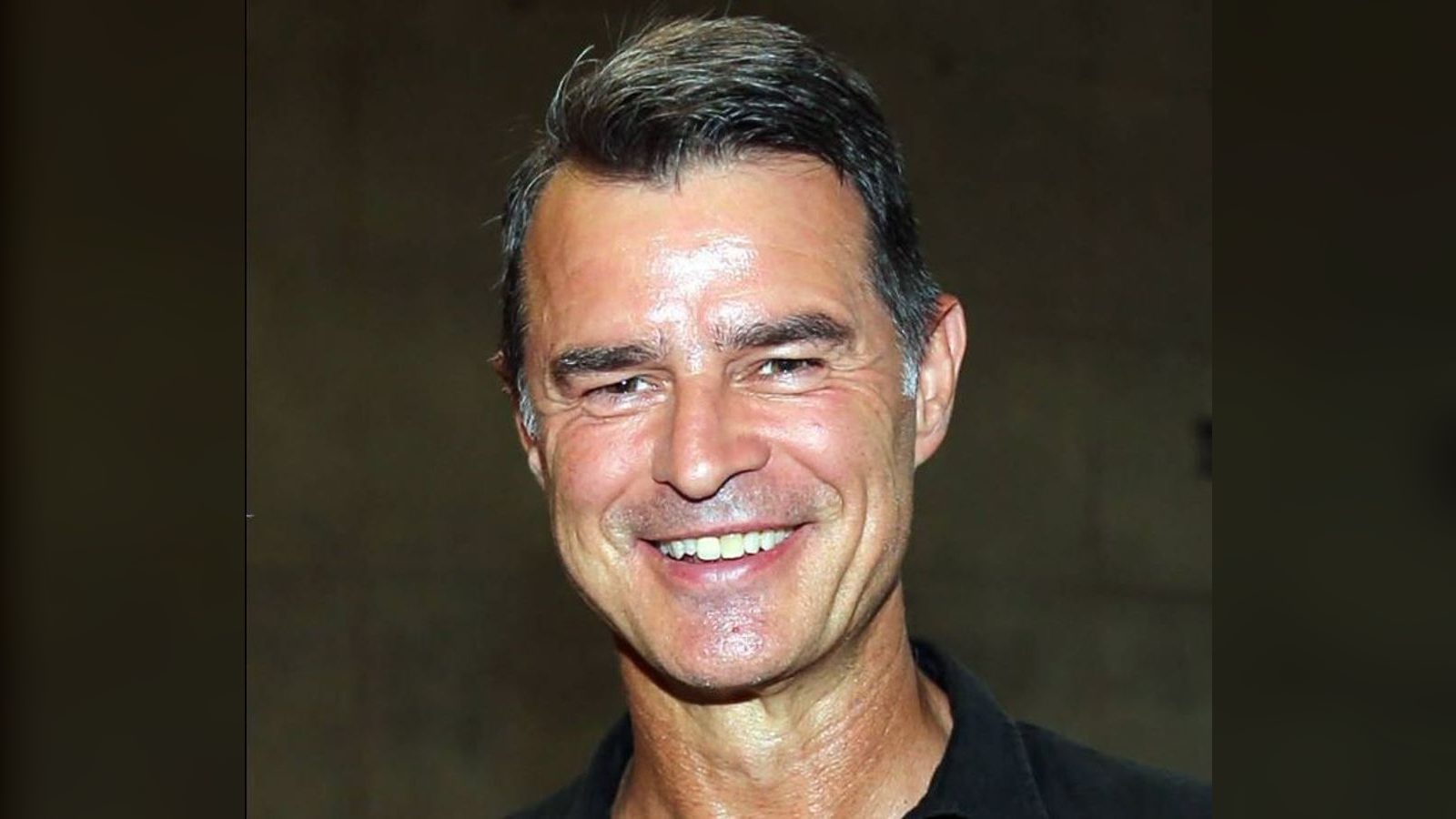
Photo: Tedi Riner)