North Macedonia expands MS therapy to hospitals in Shtip and Ohrid
Ministry of Health will disperse immunomodulatory treatment so hundreds of patients can get therapy at regional centres
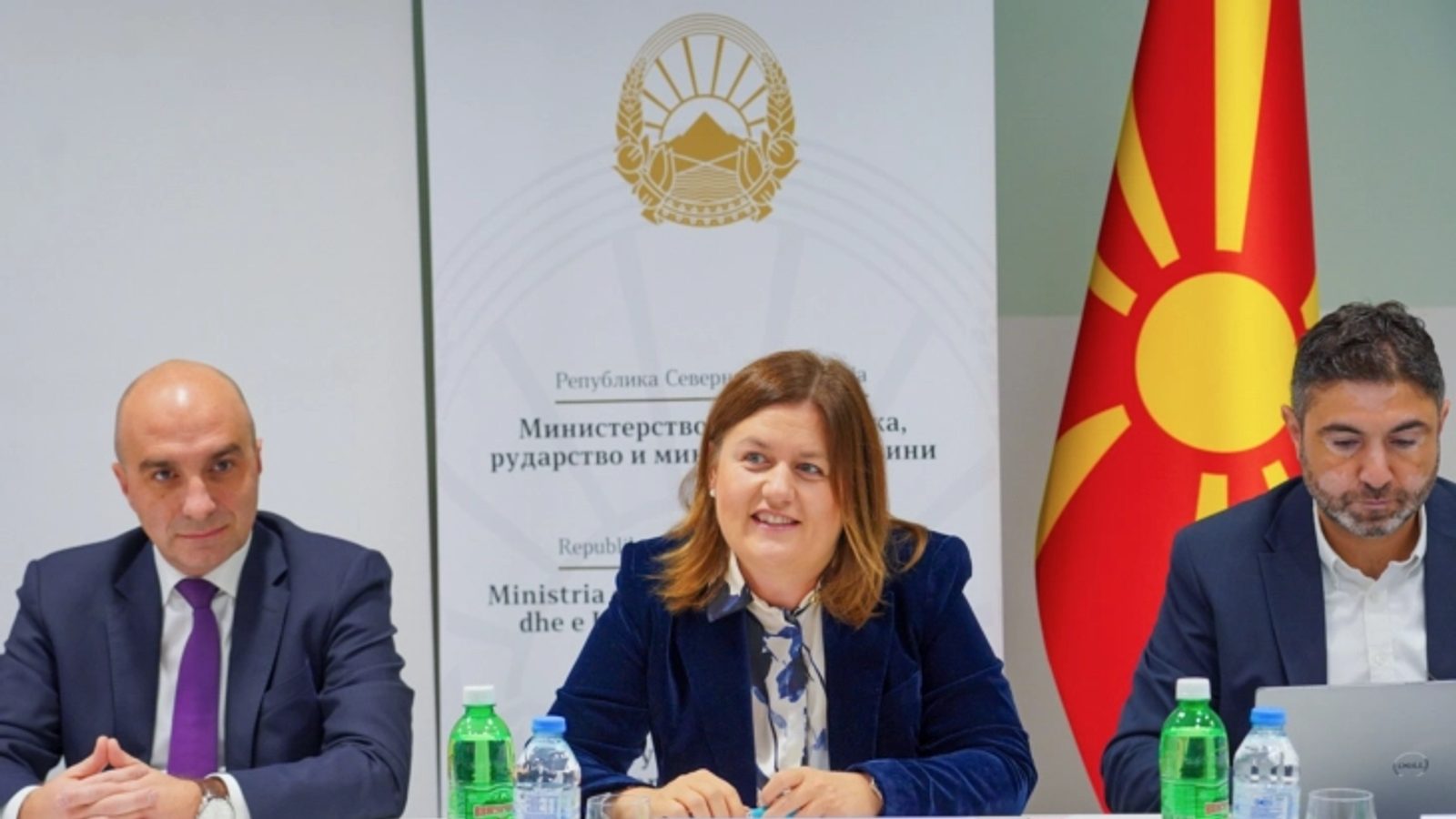
The Ministry of Health announced today that treatment for multiple sclerosis (MS) will be dispersed to regional hospitals, allowing patients to receive therapies closer to home. In the first phase the therapy will be available at the City General Hospital "8 September" in Skopje, the Clinical Hospital in Shtip and the Special Hospital "Sveti Erazmo" in Ohrid, Minister Sasho Klekovski said.
How the decentralisation will work
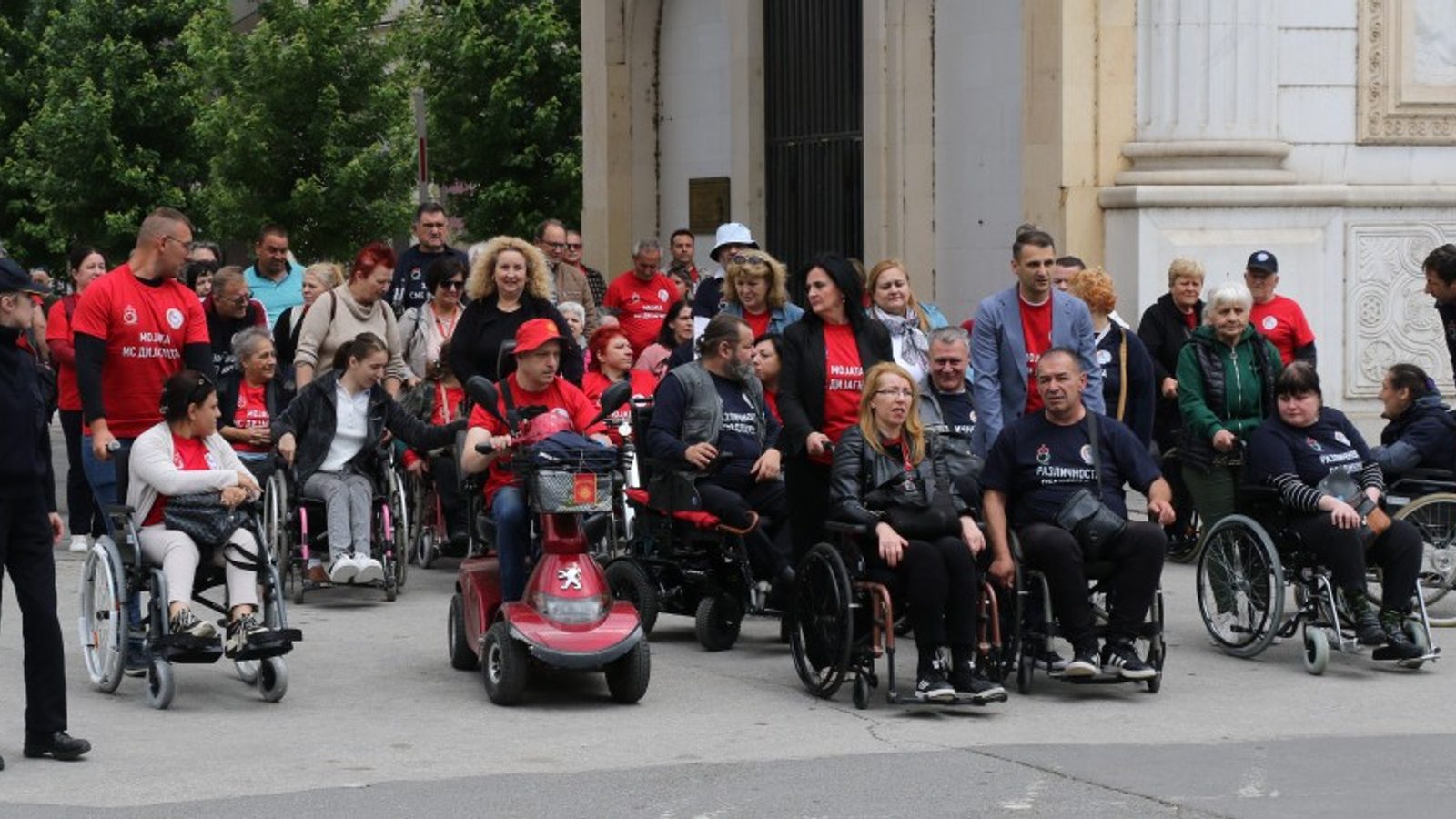
According to the ministry, the move will enable 618 patients — 74 percent of those currently on the covered therapy — to be treated at regional centres. Including patients from border municipalities, that number could rise to 692. The transition to regional centres is voluntary; patients who choose to remain at the University Clinic for Neurology will continue to receive treatment there with no change to their rights.
Minister Klekovski outlined the scale of demand at the Clinic for Neurology: "At the Clinic for Neurology there are about two thousand patients with multiple sclerosis, of whom about 1.800 are actively treated, and the number of newly diagnosed is growing — only in 2025 they are 115. At the moment, 835 patients from 48 municipalities are on the immunomodulatory medicines covered by the dispersion and all of them pick up or receive the therapy at the Clinic in Skopje. Of these, 491 live outside the Skopje region and many travel every month, often with an accompanying person, which means cost, absence from work and additional effort for people with a chronic disease. Decentralisation enables more patients to be served without the Clinic becoming a bottleneck," he said.
Budgetary resources for MS treatment this year amount to a record 451 million denars (over €7.2 million), Klekovski added.
Jovan Bozhinovski, director of the University Clinic for Neurology, explained the obligations placed on each hospital by the new protocol: "The rulebook determines the medicines, responsibilities, conditions for the centres and the procedure, and with the protocol each hospital separately assumes the obligations that concern it. Hospitals are obliged to appoint a responsible neurologist, a pharmacist and trained nurses, to store and dispense the medicines according to the prescribed regimen, to record every dose and to report adverse reactions within 24 hours. The Clinic retains the professional, financial and organisational responsibility: it procures the medicines, decides on each patient through the Commission for Immunomodulatory Therapy, invoices the therapy to the Health Insurance Fund and supervises the centres at least once a year," he said.
The decentralisation covers ten medicines divided into two groups. The first group includes patient-administered treatments — interferons, glatiramer acetate and oral drugs (dimethyl fumarate, teriflunomide, cladribine) — which patients will collect monthly from the centre's hospital pharmacy. The second group comprises biological therapies — ocrelizumab, natalizumab and ofatumumab, all in subcutaneous form — which will be administered by medical staff at the centre. Initiation of therapy will remain at the Clinic, where patients receive the first dose, undergo training and sign consent; all subsequent doses will be given at the regional centre. Follow-up checks will take place every six or 12 months and include a digital multidisciplinary review.
Photo: SDK.MK)