Tight race in Bulgaria’s presidential vote as turnout remains low
First-round voting leaves incumbent Iliana Yotova and opposition-backed Andrey Gyurov as favourites amid low participation and a debate over foreign policy.
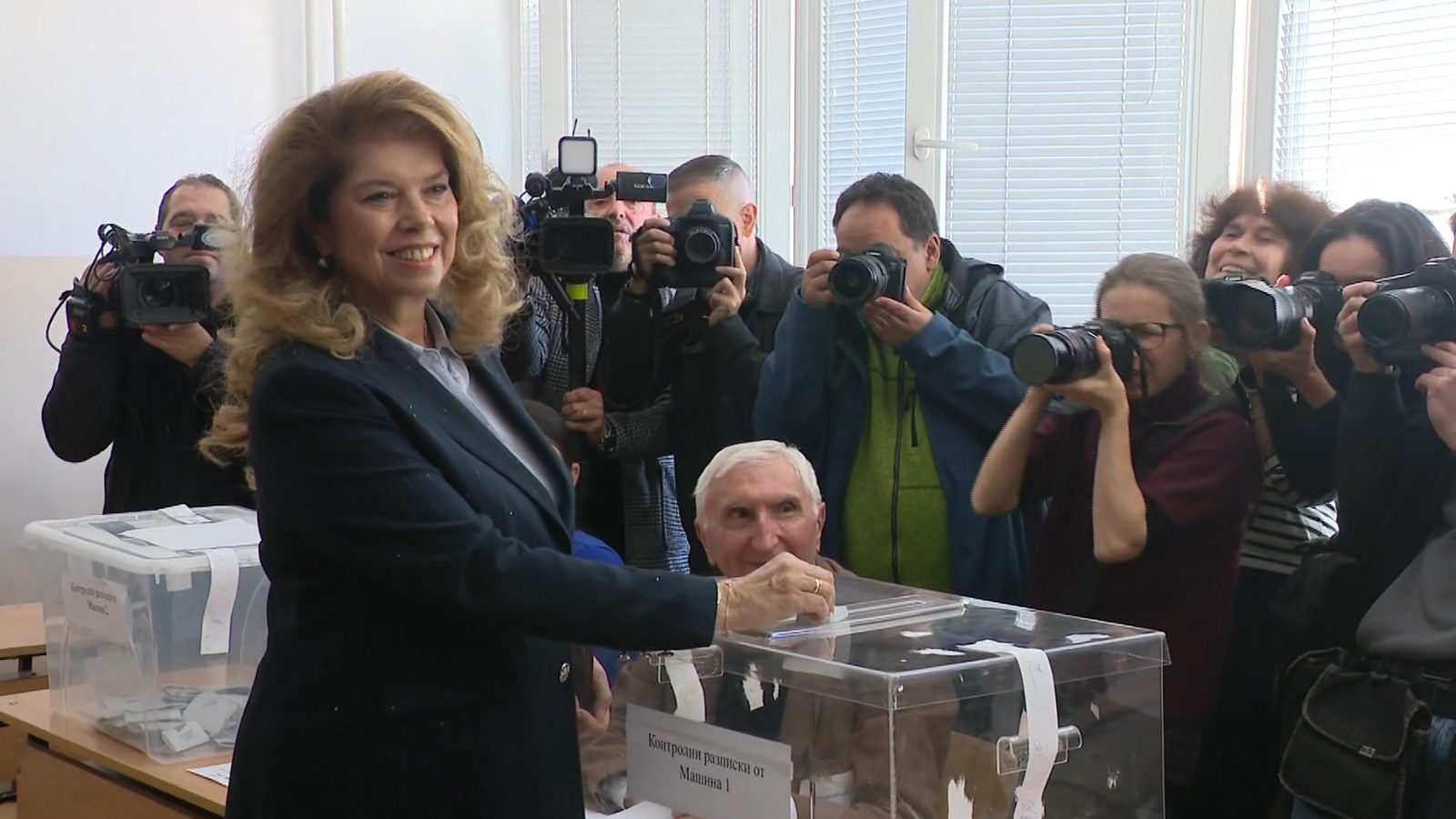
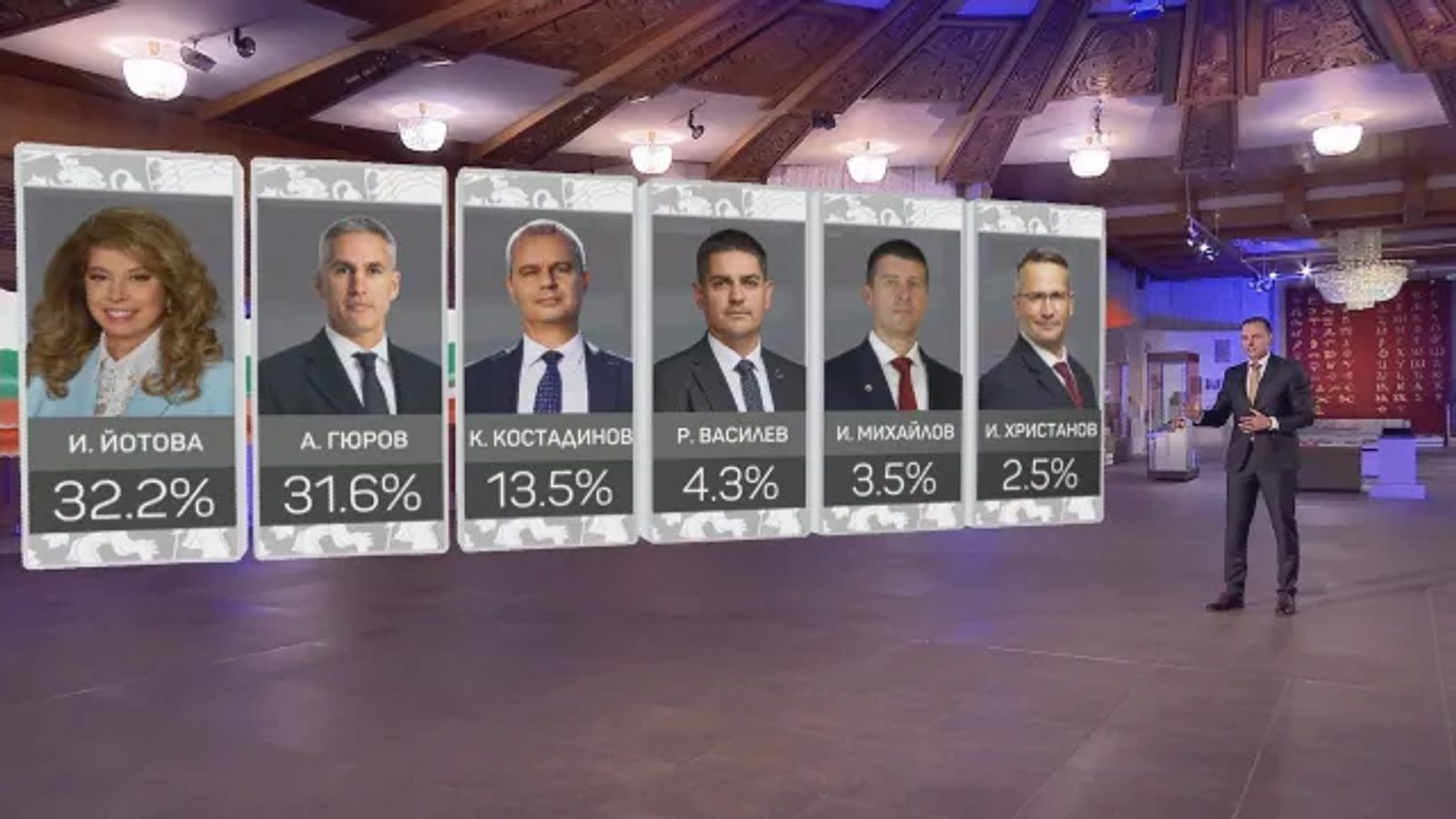
Incumbent president Iliana Yotova and opposition-backed independent Andrey Gyurov are widely expected to advance to a decisive second round after the first round of Bulgaria's presidential election held today. Polls and campaign observers noted a weak voter turnout, with surveys predicting that fewer than 40% of eligible voters will cast ballots.
Low participation shapes the race
At several polling stations voters expressed frustration with politics and hope for change. "I voted for real change, for people who are active and work — who talk less and do more. I believe that this way things will be better. I hope more people will come out and vote," said Maria Koleva, a voter.
"I hope there will be a second round and that power will not be concentrated, that not all authority will be in the hands of one person. The presidential institution must be independent from the government," said Anton Atanasov, another voter.
Pre-election surveys gave an edge to incumbent Iliana Yotova, who is reported to have the backing of the Progressive Bulgaria party of prime minister Rumen Radev. Yotova emphasized recent shifts in Bulgaria's external relations. "And if there is something that has pleased me in recent months, it is that I see how Bulgaria is finally conducting a strong foreign policy, gaining more allies and making its voice heard more clearly within the European Union," she said.
Analysts say the frontrunners present contrasting foreign-policy visions. Dobromir Zhivkov, a sociologist and executive director of MarketLinks, argued that some candidates and forces in the campaign echo Kremlin-aligned rhetoric and call for an end to military aid to Ukraine, while pro-European contenders like Gyurov and Kandev represent voters who favor closer EU integration and a stronger role for Bulgaria within NATO.
The campaign was dominated by the Russian war in Ukraine and recent deadly drone attacks on merchant ships in the Black Sea — events close to Bulgaria's shores — alongside worries about surging energy prices and high inflation that have hit many rural households hard.
Although the presidency in Bulgaria is largely ceremonial, the office holds formal powers including command of the armed forces and the ability to veto laws — powers that give the second-round outcome practical importance beyond symbolism.
Photo: press material from the event