Trump narrows U.S. federal childhood vaccine recommendations to 11 diseases
Trump signed an order on August 11, 2026, narrowing federal recommendations to 11 childhood vaccines and urging separate administration of some combined shots, drawing criticism from health experts and recent court rulings.
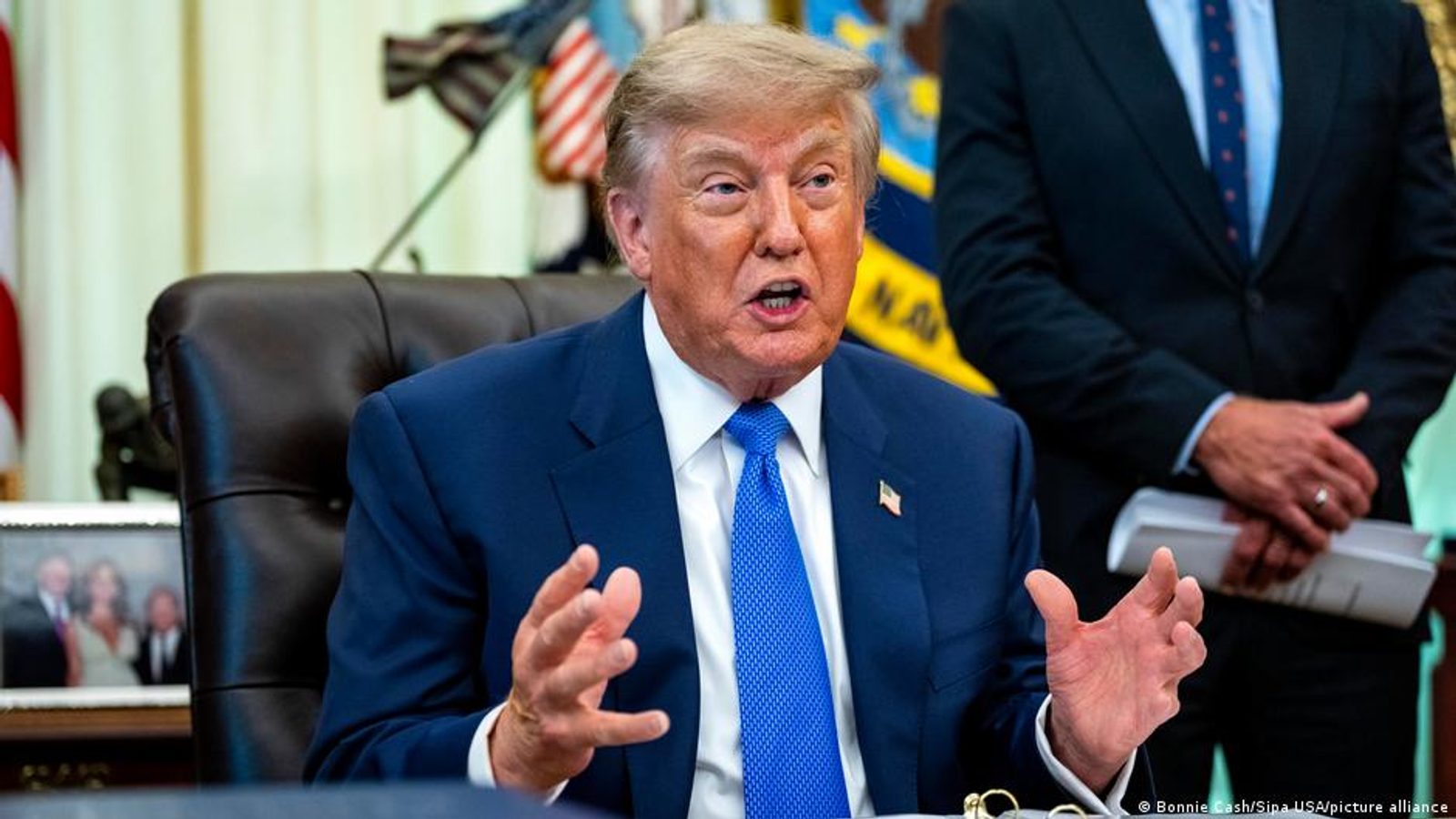
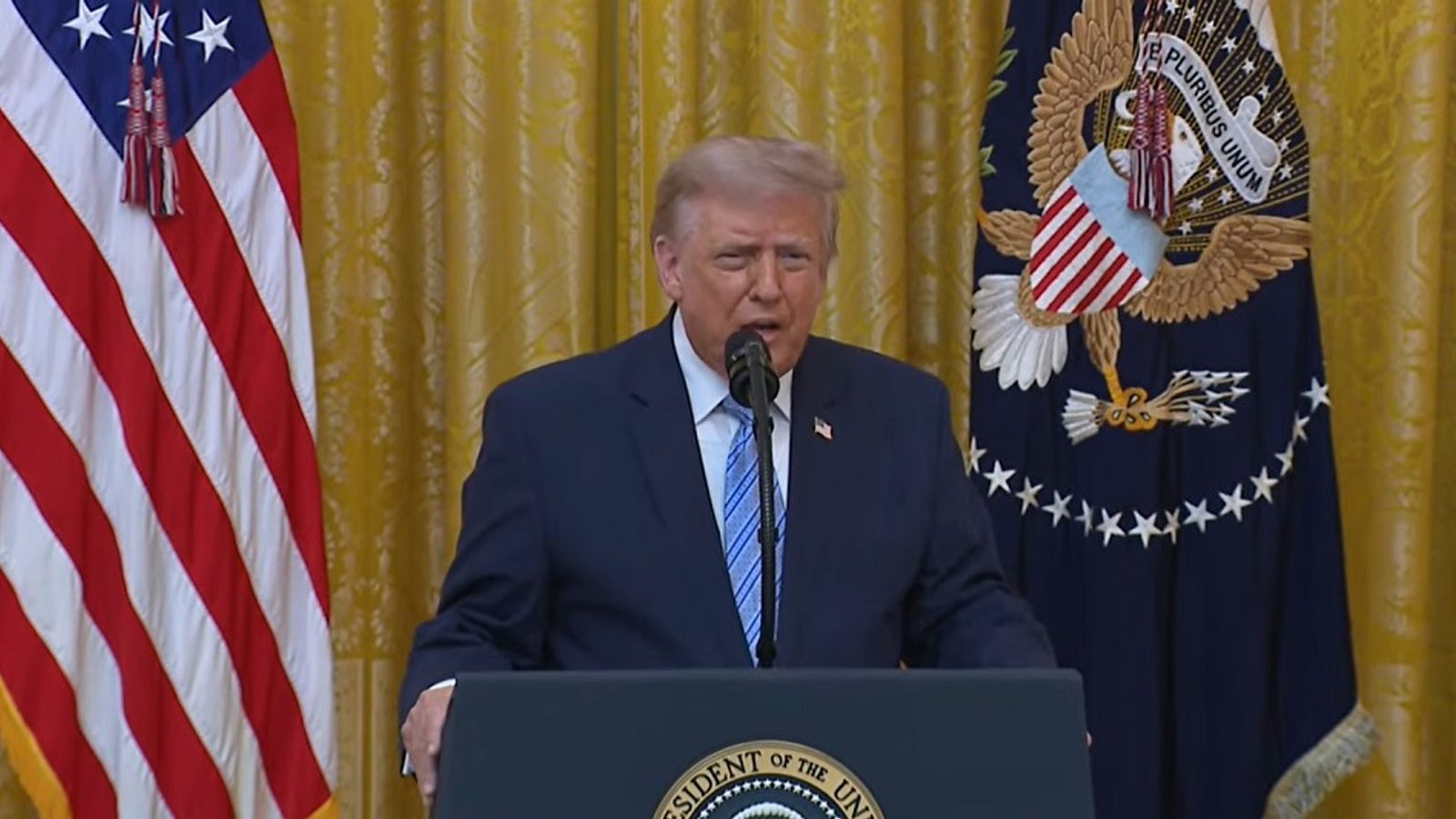
President Donald Trump signed an executive order on August 11, 2026, restructuring the federal recommendations for childhood immunizations and narrowing the government’s list of routine pediatric vaccines to protection against 11 diseases. The White House ceremony took place with Health Secretary Robert F. Kennedy Jr. at his side, and the administration said insurers will continue to cover vaccine costs while parents remain free to request any shots.
What the order changes and immediate questions
The order directs federal policy to recognize as primary recommendations only vaccines for 11 illnesses instead of the roughly 17 diseases that public health authorities have promoted in recent years. It also calls for separating combined vaccines where possible: the MMR shot for measles, mumps and rubella would, the administration said, be given as three distinct injections at separate visits when supply allows. The Centers for Disease Control and Prevention (CDC) has said there is no scientific evidence that splitting MMR brings added benefit, and single-component measles, mumps or rubella vaccines are not currently available in the United States.
Speaking at the signing, Trump repeated long-discredited concerns about a vaccine–autism link and acknowledged he was relying on claims that are not scientifically established. When a reporter asked whether there is evidence for that connection, he replied, "No." He also said: "I think this will have a big impact on autism." Health Secretary Robert F. Kennedy Jr. said the administration will pursue further study into timing of vaccination and environmental factors, arguing that the rise in autism diagnoses cannot be explained solely by increased recognition of the condition: "The rise in diagnoses cannot be explained only by better recognition of the condition and there must be environmental factors involved."
Public-health experts and the World Health Organization (WHO) have repeatedly concluded that there is no credible evidence linking vaccines to autism. Large-scale studies have not found an association between the MMR vaccine and autism. Experts warn that requiring additional visits for separated doses could leave children unprotected for longer periods or increase the chance that some vaccinations are missed.
Legal and logistical obstacles remain. A similar attempt by the administration earlier this year to narrow the national childhood immunization schedule was temporarily blocked by a federal court in March after lawsuits from medical associations. The court wrote that such changes have historically been made "according to scientific methods codified in legal procedures," and that "the government, unfortunately, has neglected those methods and thereby undermined the integrity of its actions." The new executive order does not overturn that judicial ruling; it declares the reduced schedule official federal policy and opens the way for further steps, but it does not automatically change standing vaccine recommendations or state school vaccination rules, which are set by the individual states.
The administration pointed to high vaccination coverage in parts of Europe as a model for achieving immunization goals without blanket school mandates, while critics note that many European countries do require proof of immunization for childcare and schooling in practice. Meanwhile, measles cases have surged in the United States since Trump took office in January 2025: officials say infections in the past 18 months now exceed the total seen in the previous 25 years combined, raising immediate public-health concerns about rolling back long-standing vaccine guidance.
Photo: press material from the event