Trump abandons threat of air strikes on Iran after Democrats’ congressional win
Diplomatic efforts led by Qatar and Pakistan and talks in Washington and Tehran open the way for a de‑escalation that cooled oil prices under $100/bbl.
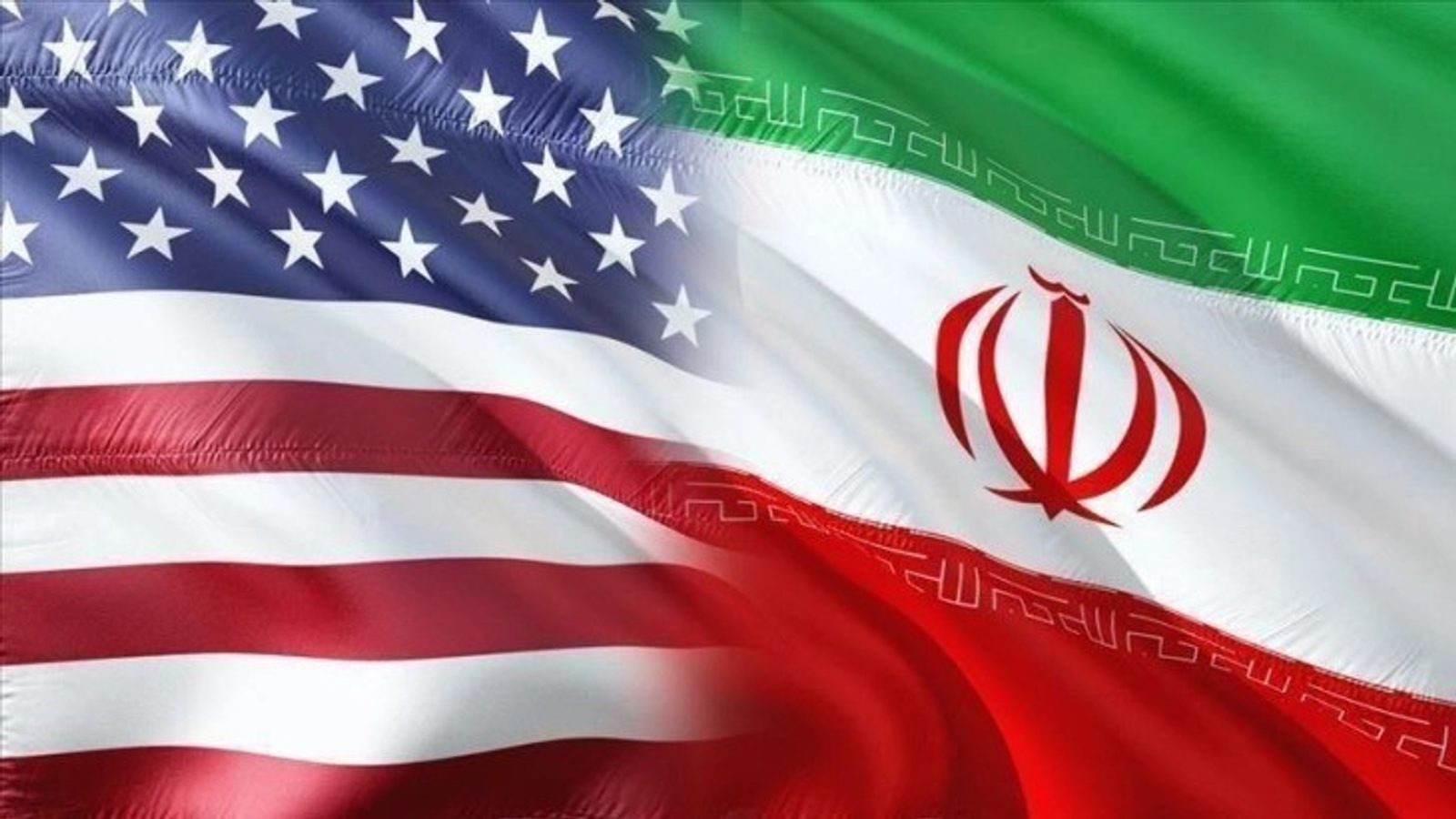
After a decisive Democratic victory in the U.S. congressional elections, President Donald Trump backed away from threatened new air strikes against Iran, a shift that helped push global oil prices below $100 per barrel.
Diplomatic channels led by Qatar and Pakistan have intensified in recent days, and officials in Washington and Tehran, the parties involved, "are actively considering new proposals to arrange relations," according to diplomatic summaries circulating in the region.
Terms on the table
Washington is demanding that Iran immediately halt targeted drone and missile strikes on commercial and military vessels in the region and resume normal traffic through the Strait of Hormuz. In exchange, U.S. policymakers are weighing measures such as easing some of the toughest economic sanctions, unfreezing blocked Iranian assets and lifting the naval blockade on Iranian ports.
Supreme Leader Mojtaba Hamnei recently granted explicit authority to the Iranian government to negotiate toward an official end to the conflict. Iranian Foreign Minister Abbas Araghchi has launched intensive telephone diplomacy with Middle Eastern governments — including Saudi Arabia, the United Arab Emirates, Qatar, Egypt and Turkey — seeking regional backing for a de‑escalation framework. Mohsen Rezai, secretary of Iran's Supreme National Security Council, met with Russian President Vladimir Putin to deliver a direct message about the plan.
In the run‑up to the November elections, Trump had threatened he would "finish the job" with a campaign of heavy bombing; after the electoral setback he signaled he was abandoning those plans. U.S. voters largely punished Trump for the domestic consequences of the war with Iran. One analysis cited in regional briefings estimated the conflict raised fuel costs by more than $1,120 per household per year and pushed motor fuel prices up 39 percent.
The incoming Democratic majority in Congress, which assumes power when the new session opens, is expected to press the White House to formally end the military campaign against Iran before lawmakers convene in January.
Photo: press material from the event