Trump confronts Secretary Hegset at Camp David over ammunition shortages
President pressed the defense secretary at Camp David after being told ammunition issues were solved; shortages of missiles and interceptors have constrained U.S. options against Iran.
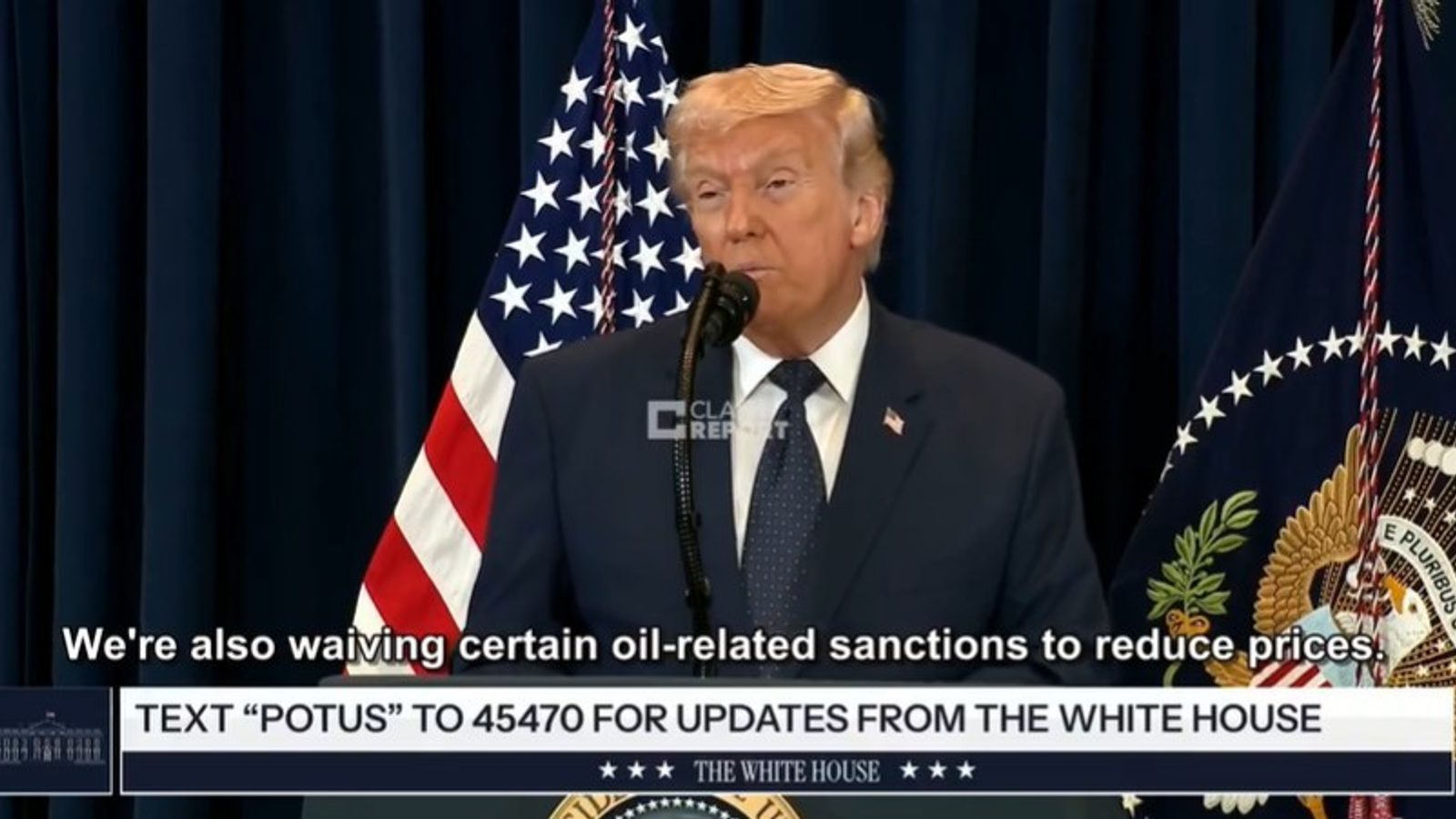
President Donald Trump confronted Secretary of Defense Pete Hegset on the sidelines of a Cabinet meeting at Camp David after expressing anger that he had been told the ammunition shortfall was already resolved, U.S. officials say. The exchange, which took place on Friday, reflects growing tension in the White House over how depleted weapons stocks have shaped U.S. options in the war with Iran.
Shortages shaping strategy
Officials describe shortages of long-range strike missiles and air-defence interceptors as a key factor that led Trump in recent days to forgo launching further large-scale attacks on Iran. On Monday the president said he had ordered and then cancelled "the largest strike since World War II" while awaiting reports about new talks related to the Strait of Hormuz.
The United States has moved to expand production of certain critical munitions, including interceptors for Patriot air-defence systems, but those manufacturing lines could take up to two years to replenish stocks — offering no quick fix for current shortfalls. In the first month of the conflict, U.S. forces fired more than 850 Tomahawk cruise missiles and more than 1,000 Patriot and THAAD interceptors, officials say. They also used more than 1,300 tactical ballistic missiles in the opening weeks. Stocks of ATACMS short-range missiles are said to be so depleted they are "practically gone."
Those shortages have ripple effects beyond the Middle East. Ukraine’s air-defence capacity has been weakened because Western reserves can no longer be relied upon to quickly refill Kyiv’s supplies, leaving it more exposed to long-range strikes. U.S. officials say decisions about whether to engage incoming threats now depend in part on where a missile is headed and whether intercepting it is judged a "significant factor" in the moment.
According to officials who asked not to be named, the Camp David confrontation began when Trump pressed Hegset to explain why the president appeared to have been misinformed about a severe ammunition deficit that could now limit U.S. military options. Hegset reportedly defended his handling of the inventories and blamed Deputy Secretary Steven Feinberg for the perceived lack of information.
The White House pushed back. "This is 100 percent fake news. It literally never happened. President Trump has total confidence in Secretary Hegset," White House spokeswoman Caroline Leavitt said. The Pentagon’s chief spokesman, Sean Parnell, also denied the account: "Secretary Hegset misled no one about the state of our ammunition stocks and did not blame Deputy Secretary Feinberg. Claims of depleted stocks, internal disagreements and the secretary's stance on Iran are equally fabricated," he said.
Earlier this summer Hegset, Feinberg and Joint Chiefs Chairman General Dan Kane asked Congress for an additional $67 billion to cover costs related to the war with Iran; Hegset told lawmakers the request was "urgent and necessary" to replenish military reserves. The administration's total defense budget request for the next fiscal year stands at a record $1.5 trillion and includes tens of billions for missile production, but political disagreements in Congress remain a barrier to rapid replenishment.
More than five months into the conflict, after 18 American service members have been killed and hundreds wounded, the U.S. and Iran remain at an impasse while Arab neighbors warn about the long-term economic fallout from the fighting and the closures that have disrupted traffic through the Strait of Hormuz.
Photo: Printskrin/Trusoshl