Gaza after three years of war: mass displacement and heavy civilian toll
Most of Gaza’s roughly two million residents remain displaced and face shortages of food, water and shelter after three years of war.
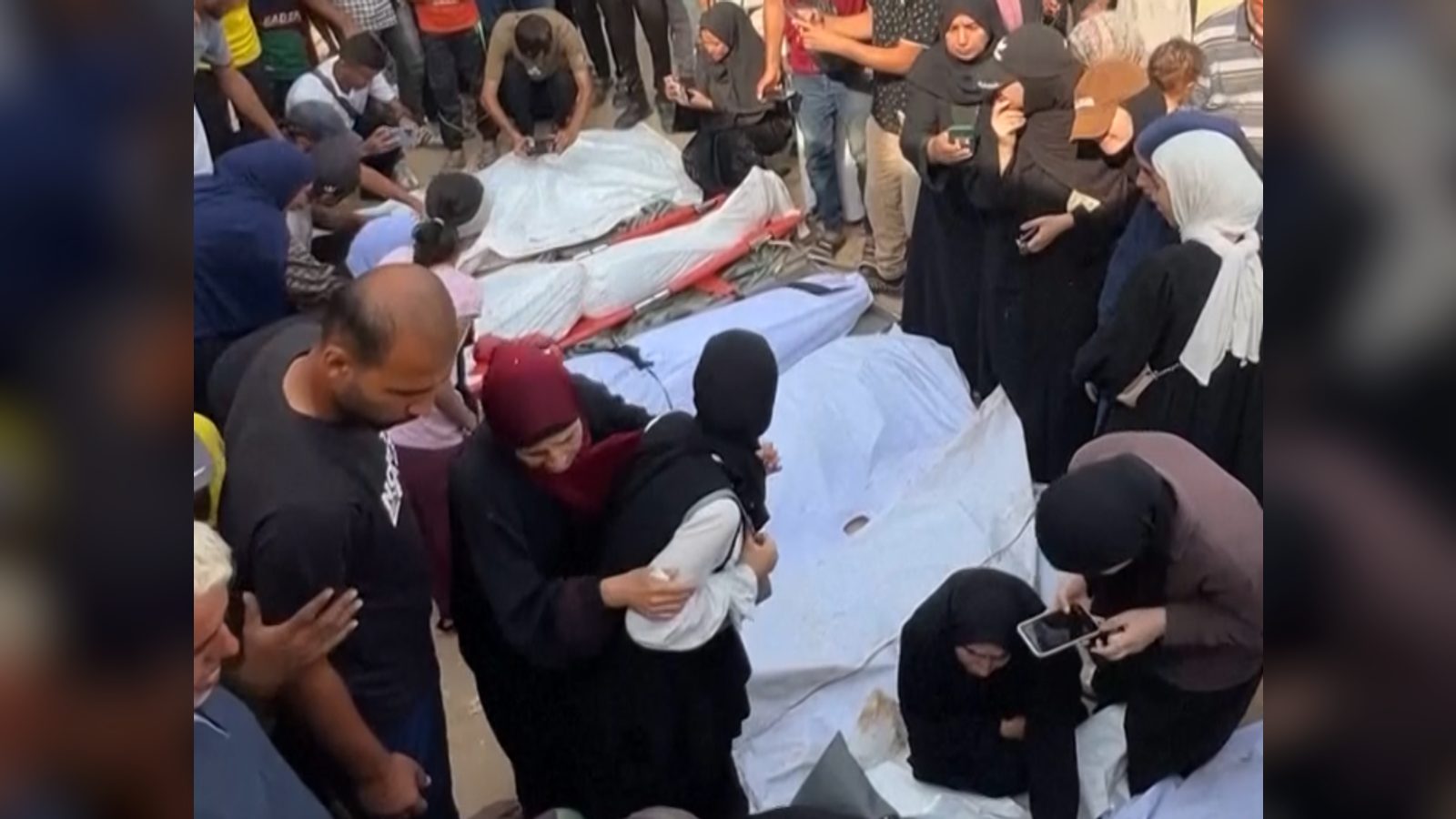
Three years after the war began, the vast majority of Gaza’s roughly two million residents remain displaced, many living in tents among ruined buildings and damaged homes. The conflict has left large parts of Gaza City and surrounding neighbourhoods in rubble, and residents describe repeated displacements, family losses and the collapse of education and work.
Everyday insecurity and basic needs
Although the ceasefire reduced the most intense fighting, Israeli attacks continue almost daily. The Ministry of Health in Gaza reports more than 74,000 Palestinians killed since the conflict began.
Displaced people say they face severe shortages of food, water and safe shelter. Many have been forced into hastily erected tent camps or remain in heavily damaged houses that lack adequate sanitation, electricity and protection from the elements.
Residents describe living with daily fear of new strikes and a deep uncertainty about the future. For many, returning to a normal life now hinges on rebuilding homes, schools, jobs and community infrastructure that have been largely destroyed.
After three years of war, the immediate expectations of families in Gaza are straightforward: security, a place to live and peace. Reconstructing the territory and restoring basic services will be a long and complex process, while displacement and trauma continue to shape everyday life.
Photo: press material from the event