Ukraine: Could Mykhailo Fedorov become a challenge to Volodymyr Zelensky?
A week of protests, corruption raids and rising poll numbers has propelled Mykhailo Fedorov back into national debate — but analysts disagree whether that momentum can turn into a sustained challenge to Volodymyr Zelensky.
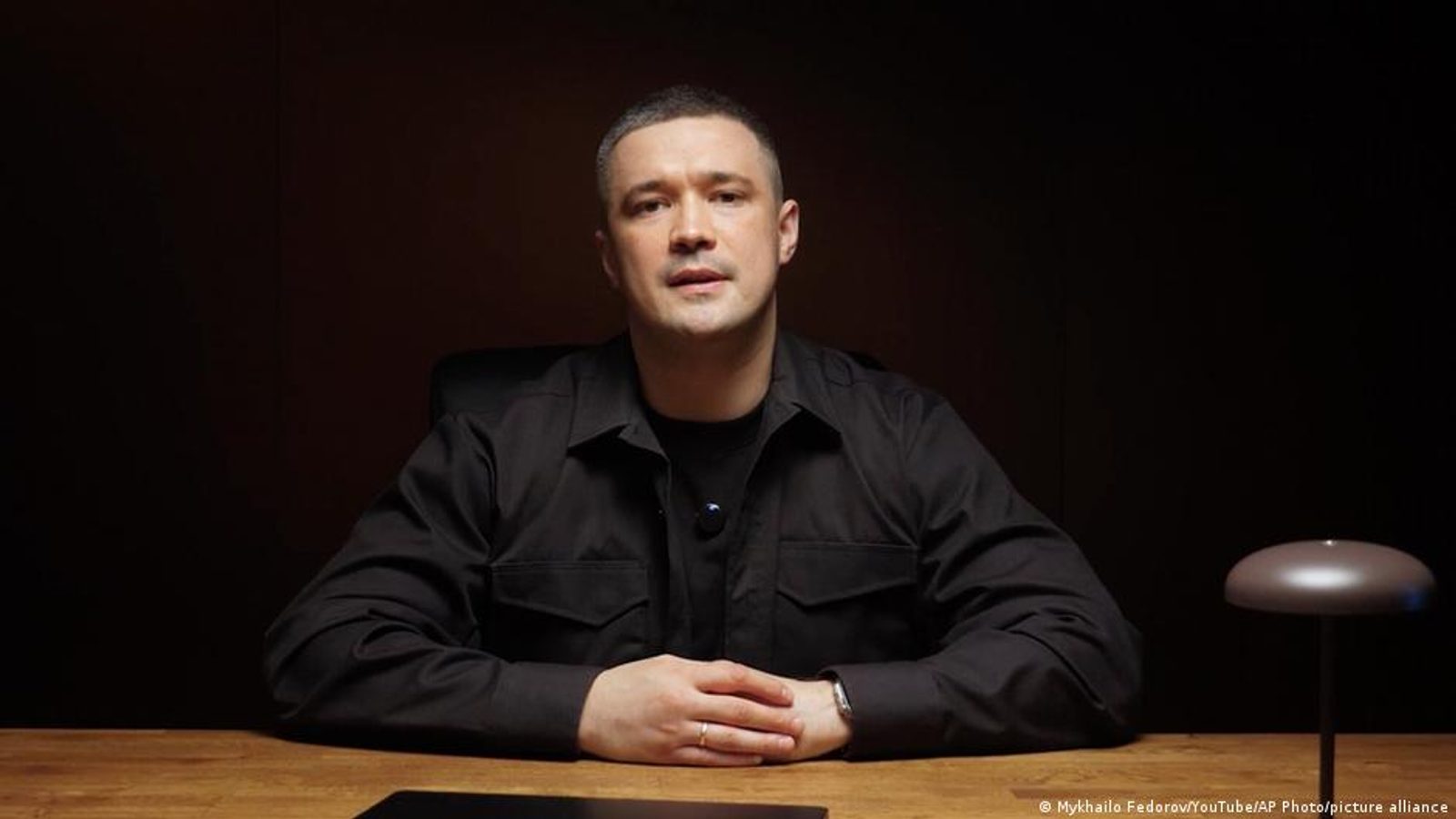
Former Ukrainian defence minister Mykhailo Fedorov has re-entered the public spotlight after a nine‑minute video address on 18 August 2026 in which he accused Kyiv’s leadership of deep problems and raised the prospect of political change. His statements — and a wave of corruption raids that followed the next day — have fuelled debate about whether Fedorov can transform street support into a lasting political force and a real challenge to President Volodymyr Zelensky.
Fedorov’s message and the immediate fallout
In the video posted to his YouTube channel on 18 August, Fedorov argued that Ukraine “faces a systemic government crisis” and that the country cannot function without a fully empowered defence minister, while warning that the real problems are “far broader than a single post or a single ministry.” He also criticised the absence of nationwide elections since 2019 and called for a “legal, safe and realistic mechanism” to hold polls even if the war with Russia continues.
Only hours after Fedorov’s remarks, Ukraine’s anti‑corruption authorities executed raids in the homes of several senior officials, including deputy head of the presidential office Iryna Mudra and lawmaker Vadym Stolar. The National Anti‑Corruption Bureau of Ukraine (NABU) said it conducted a “special operation to uncover a criminal organization” together with the Specialized Anti‑Corruption Prosecutor’s Office (SAPO). President Zelensky dismissed Mudra that same day.
On 19 August Zelensky proposed Yevhen Khmara for the defence minister post; Khmara, who had served as acting minister since 20 July, was confirmed by parliament the same day.
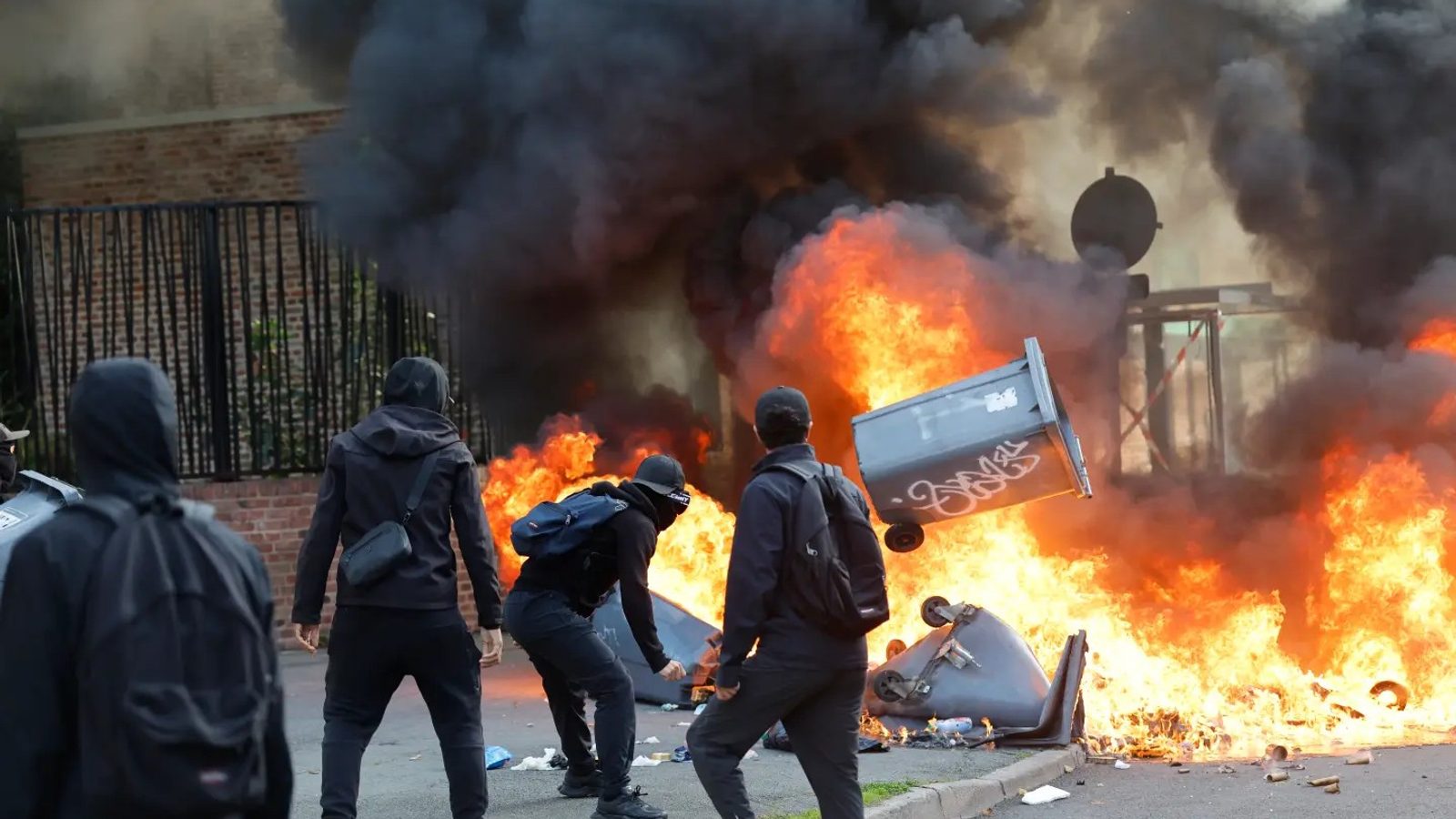
Fedorov himself was removed from the defence ministry on 15 July after a presidential order. His dismissal sparked protests in Kyiv, Lviv, Dnipro, Kharkiv, Zaporizhzhia and other cities, with demonstrators demanding his reinstatement. Polling carried out during the early weeks of those demonstrations showed a sharp rise in public backing for the former minister.
According to a Rating Institute survey quoted by Ukrainian analysts, trust in Fedorov rose from 35 to 65 percent during the first week of protests on 20 and 21 July; 72 percent opposed his dismissal. A separate poll on 5 and 6 August placed Fedorov third in a hypothetical presidential ranking with 12.5 percent, behind Zelensky on 25.2 percent and former army commander Valerii Zaluzhnyi on 16.7 percent.
Political analysts are split over whether Fedorov now represents a durable rival to Zelensky. Ihor Chalenko of the Center for Analysis and Strategy in Kyiv argues that Fedorov’s address was an attempt to convert protest momentum into political capital: “For 35 days people were taking to the streets. Rallies began with demands to reinstate Fedorov to the defence minister post. But there is a danger that Fedorov will sink because the protest campaign is increasingly focused on fighting corruption and protecting the anti‑corruption bodies. That's why the former minister decided to position himself politically and secure the status he achieved.”
Chalenko says he does not see an irreparable break between Fedorov and Zelensky: “I do not see severed ties,” he says, adding that a return to government remains possible if an appropriate post is offered. Oleksii Kharan of the Kyiv‑Mohyla Academy says Fedorov’s statements reflect public appetite for change but stresses the central obstacle: how to hold credible elections while an active war continues. “We have agreed that Russia cannot dictate when or how we hold elections. But the question is how to hold elections if Russia prolongs the war,” Kharan observes.
Vadym Denysenko, an analyst at Business Capital, views Fedorov’s speech as the start of a broader political play. He points to two possible trajectories: one in which a civic anti‑corruption movement around Fedorov coalesces into a political force, and another in which former Zelensky supporters shift to Fedorov’s camp and bolster his base. “In early elections, Fedorov has a chance to do well. If there are no elections, he can keep building his base and further weaken Zelensky,” Denysenko concluded.
Photo: press material from the event