Ukraine asks EU to use €210bn frozen Russian assets to cover $78bn 2027 shortfall
Finance Minister Serhiy Marchenko urged Brussels to create a legal mechanism to unlock assets held largely at Euroclear as Kyiv warns of a $78 billion funding shortfall.
Ukraine urged the European Union on Tuesday to deploy roughly €210 billion of frozen Russian central bank assets to help cover Kyiv’s projected financial and military needs for 2027, warning that the country could face a $78 billion shortfall if allies do not step up support.
Finance Minister Serhiy Marchenko made the plea during meetings with international donors and financial institutions in Brussels, pointing out that most of the funds are held at the Belgian securities settlement system Euroclear.
Marchenko argued that using the frozen assets would offer a practical and fair way to finance emergency military spending, preserve debt sustainability and hold Russia accountable for the war, and called for a centralized, legally grounded mechanism to enable their use. He said: "Our friends, the European politicians, must be brave enough to take decisive steps."
How Kyiv arrives at the $78 billion figure
Marchenko presented Kyiv’s budget outlook for 2027: of $52.6 billion Ukraine expects from international donors, just $20 billion has been secured so far, leaving a $32.6 billion gap. In addition, roughly $45 billion will be needed for defence funding for which allies have not yet provided guarantees. Together those needs amount to about $78 billion.
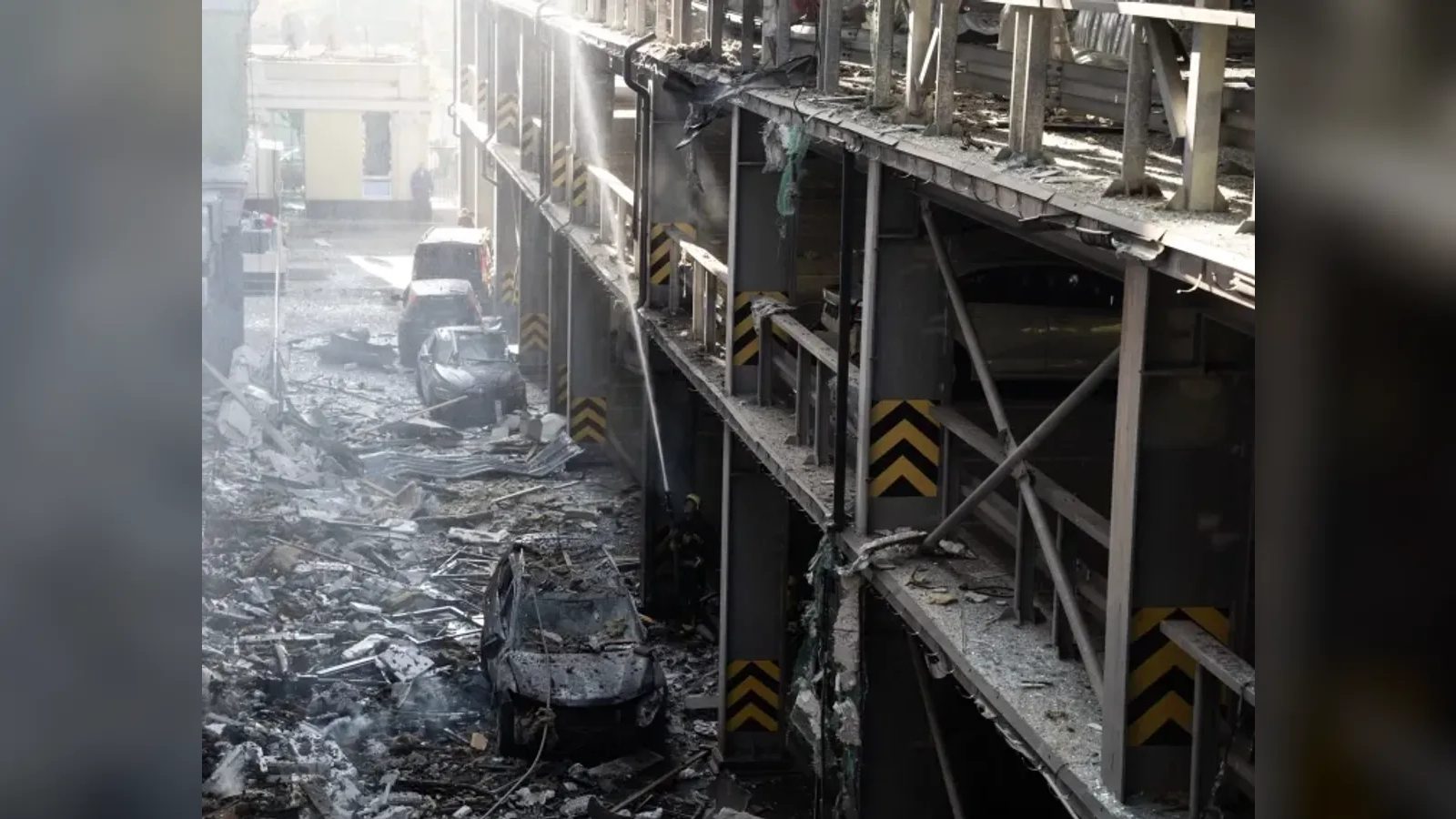
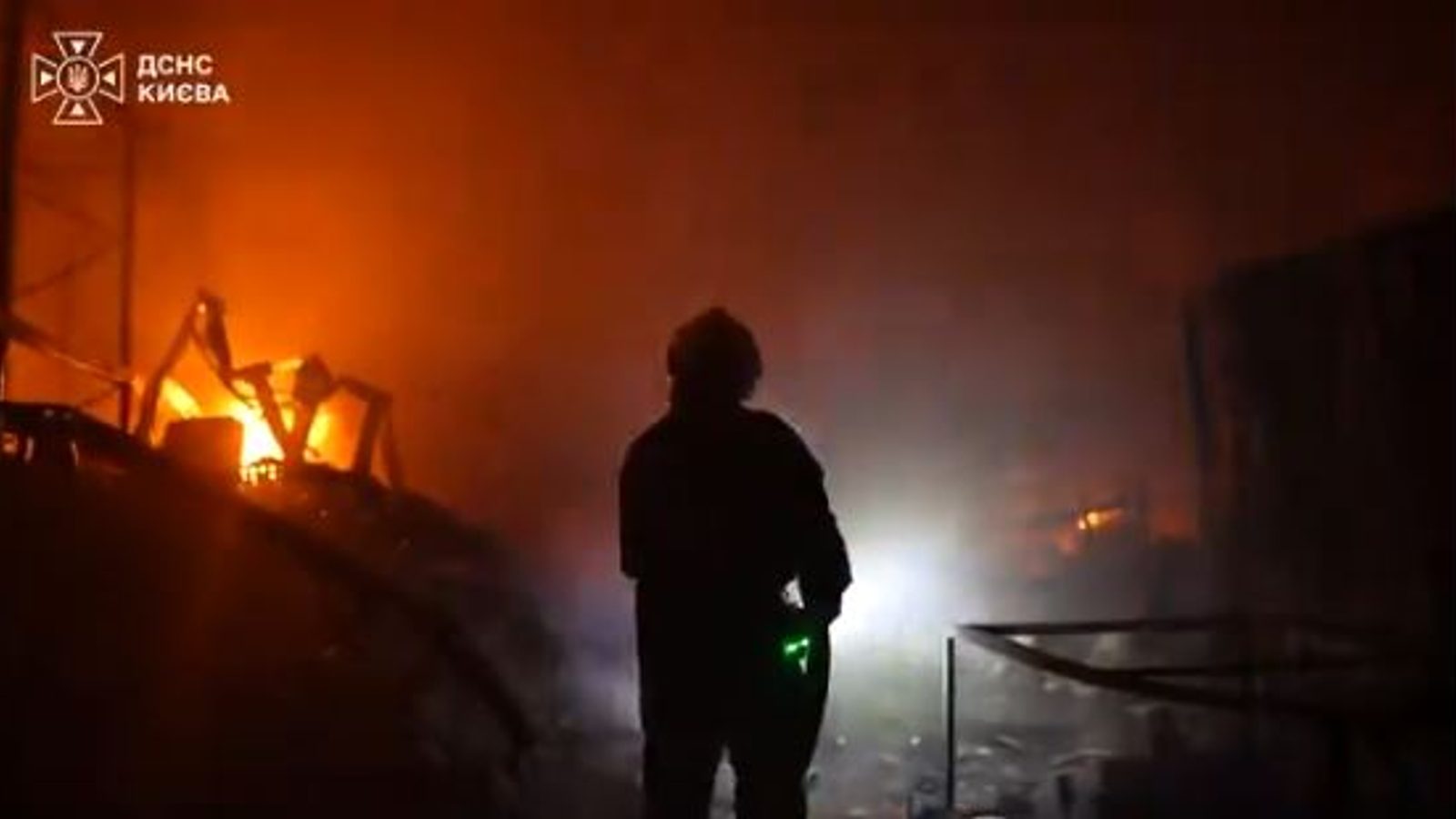
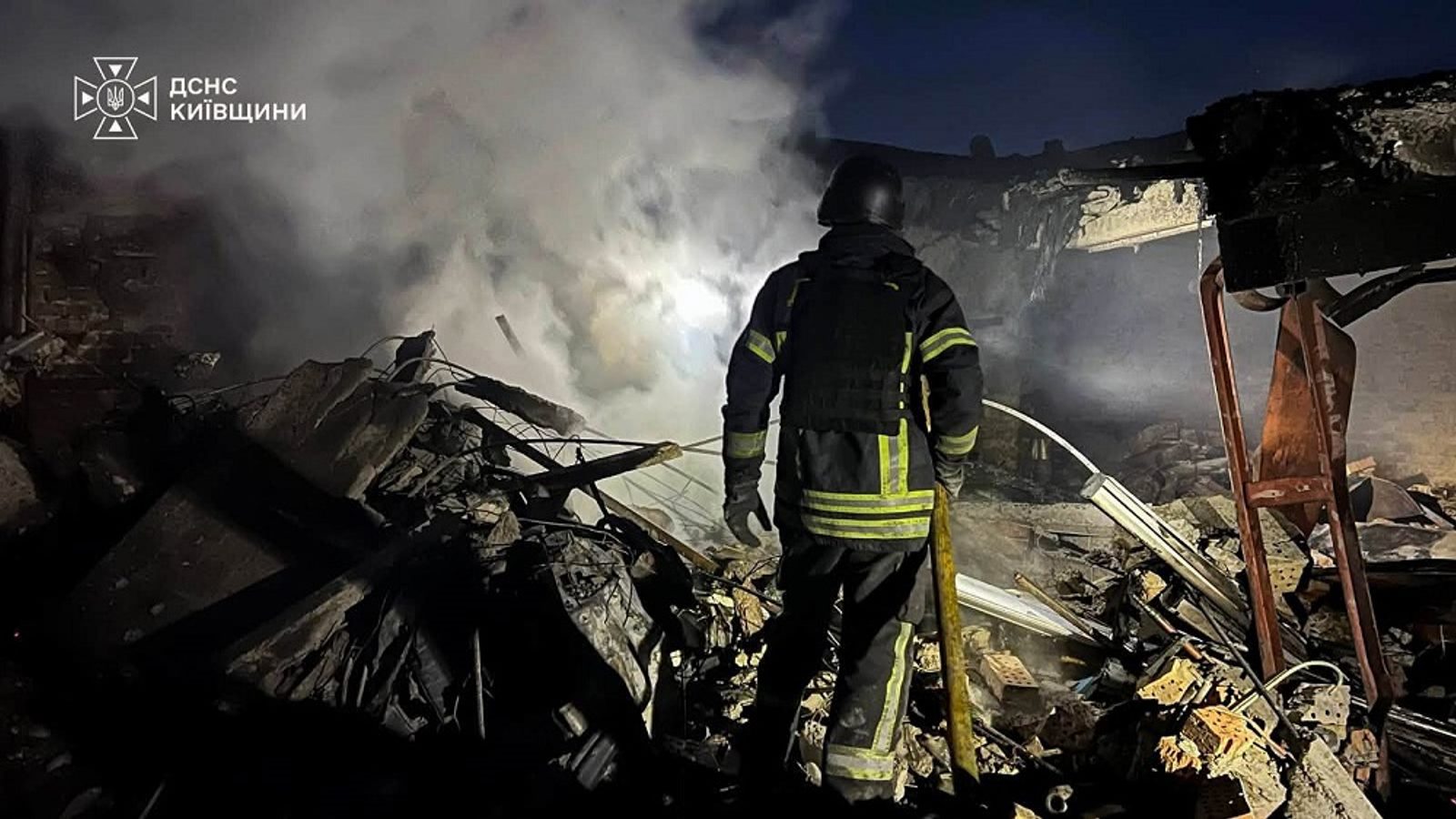
He said the situation has been aggravated by renewed Russian strikes that have disrupted economic activity, damaged the power grid, destroyed factories and made tax collection harder. For the first time since the war began in 2022, Marchenko said Ukraine is experiencing operational problems in its tax and customs administrations.
The funds have been frozen under sanctions since February 2022, but attempts inside the EU to repurpose them for Ukraine have repeatedly run into political resistance. A previous European Commission proposal to channel the assets into interest-free loans failed to win backing, with Belgium—where Euroclear holds most of the assets—opposing the move. EU leaders instead agreed a common-borrowing package of €90 billion, split into €45 billion tranches for 2026 and 2027, which Marchenko called welcome but insufficient.
The European Commission has urged Kyiv to accelerate agreed reforms if it wants disbursed aid to continue. European Commissioner for Enlargement Marta Kos told donors that the message to Ukraine is clear: "Implement the agreed reforms so we can continue to support you financially." The commission has not formally confirmed Kyiv’s new 2027 gap figures.
Photo: press material from the event