Ukraine prepares Plan B for Kyiv bridges: pontoons, embankments and a possible tunnel
Kyiv will deploy pontoon crossings and embankments immediately and study a tunnel as a longer‑term option to keep both riverbanks connected.
On 4 October 2026 Ukrainian authorities announced preparations for alternative crossings across the Dnipro in Kyiv to keep the city connected if bridges are damaged in Russian attacks. The measures range from quickly deployable solutions such as pontoon bridges and embankments to a longer‑term option of a tunnel under the river.
Mykola Kalashnyk, the Ukrainian minister for restoration, infrastructure and transport, told the public broadcaster Suspilne that work on the backup crossings is due to begin next week. He underlined the scale of the challenge by noting that about 600,000 vehicles use the city’s bridges every day and that the reserve infrastructure aims to preserve as much of that traffic as possible.
"Emergency measures include embankments and pontoon crossings that can be built quickly. That work has already begun," Kalashnyk said.
How the contingency will work
Officials describe the immediate options as earth embankments and floating pontoon links that can be assembled rapidly at selected river points to restore vehicle and, where possible, pedestrian movement between the left and right banks. A river tunnel is being studied as a more durable but far more complex solution for the future.
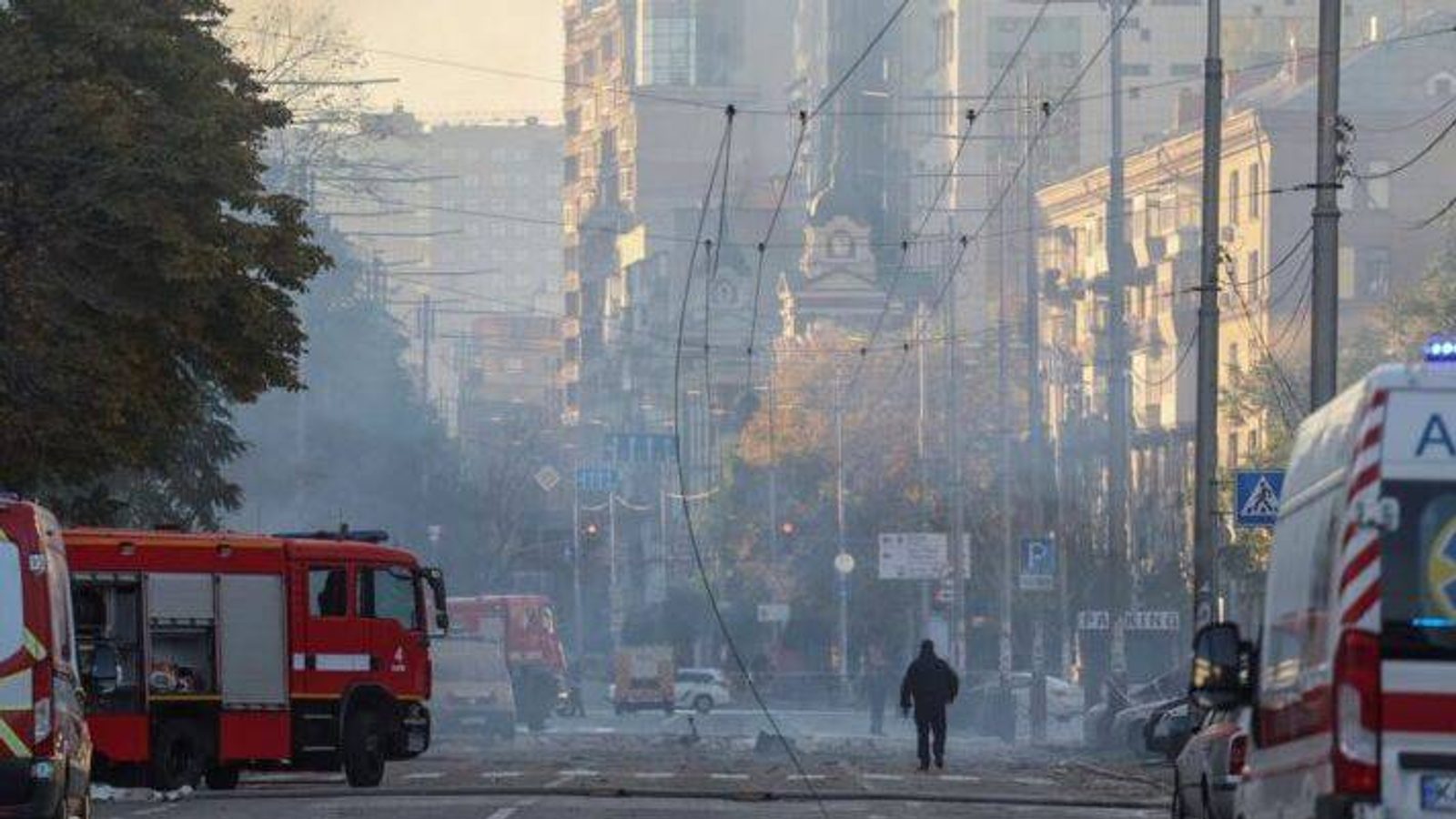
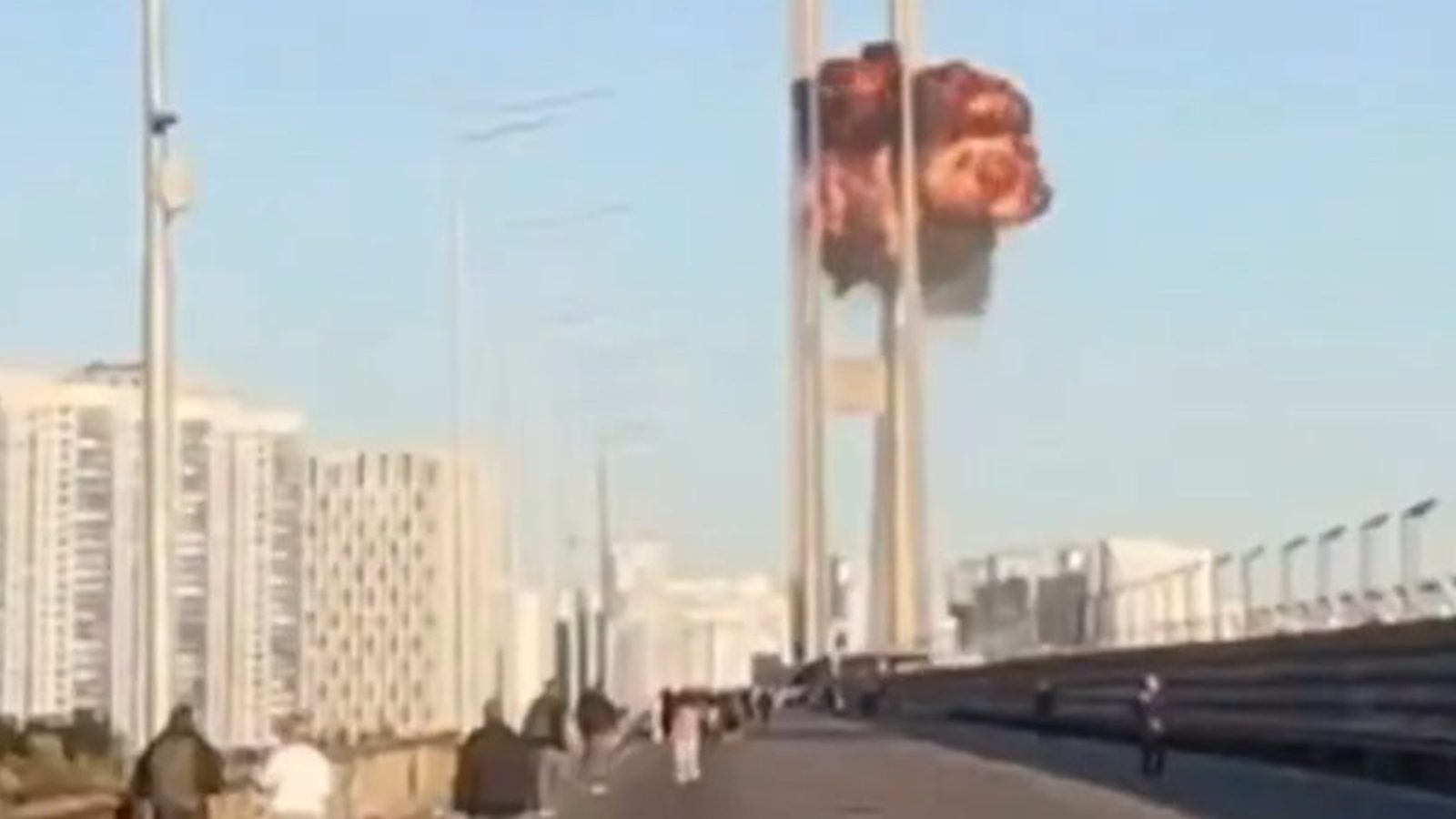
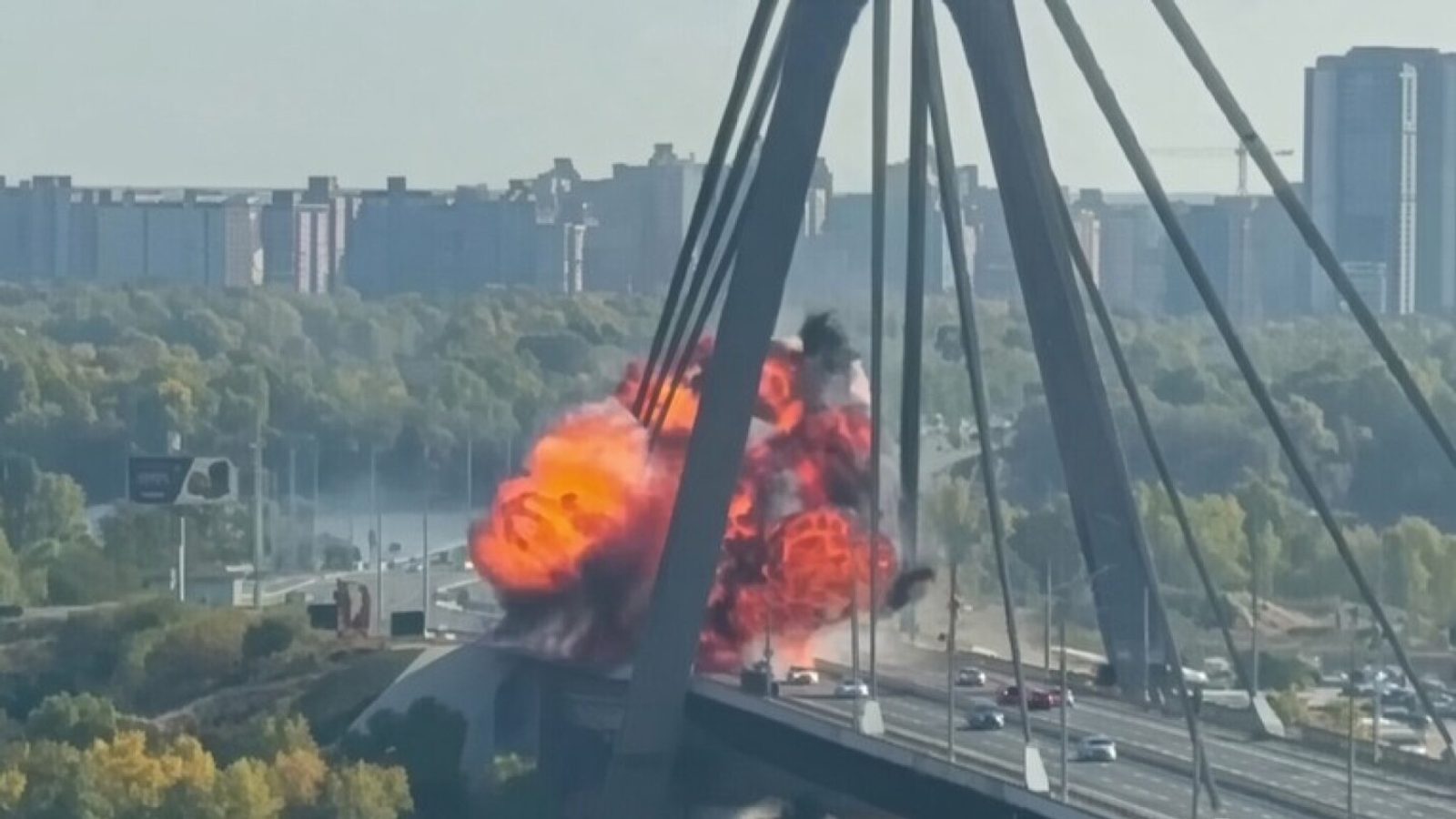
The announcement came after a Russian drone struck Kyiv’s North Bridge while traffic was flowing. Dramatic video of the strike circulated on social channels, and Mayor Vitali Klitschko confirmed the carriageway was hit and that emergency crews were dispatched to the scene.
Kyiv’s measures are part of a broader pattern of Russian attacks on bridge infrastructure, and Ukrainian officials say they will continue offensive operations of their own, including renewed strikes on refineries inside Russia. Authorities frame the contingency works as necessary to maintain daily life, logistics and emergency access if any of the main crossings are damaged or closed.
Photo: press material from the event