Ulrich Siegmund and the prospect of the AfD taking a German state
Regional elections in Saxony-Anhalt on 6 September could hand the AfD its first state government; Ulrich Siegmund is the figure at the centre of that possibility.
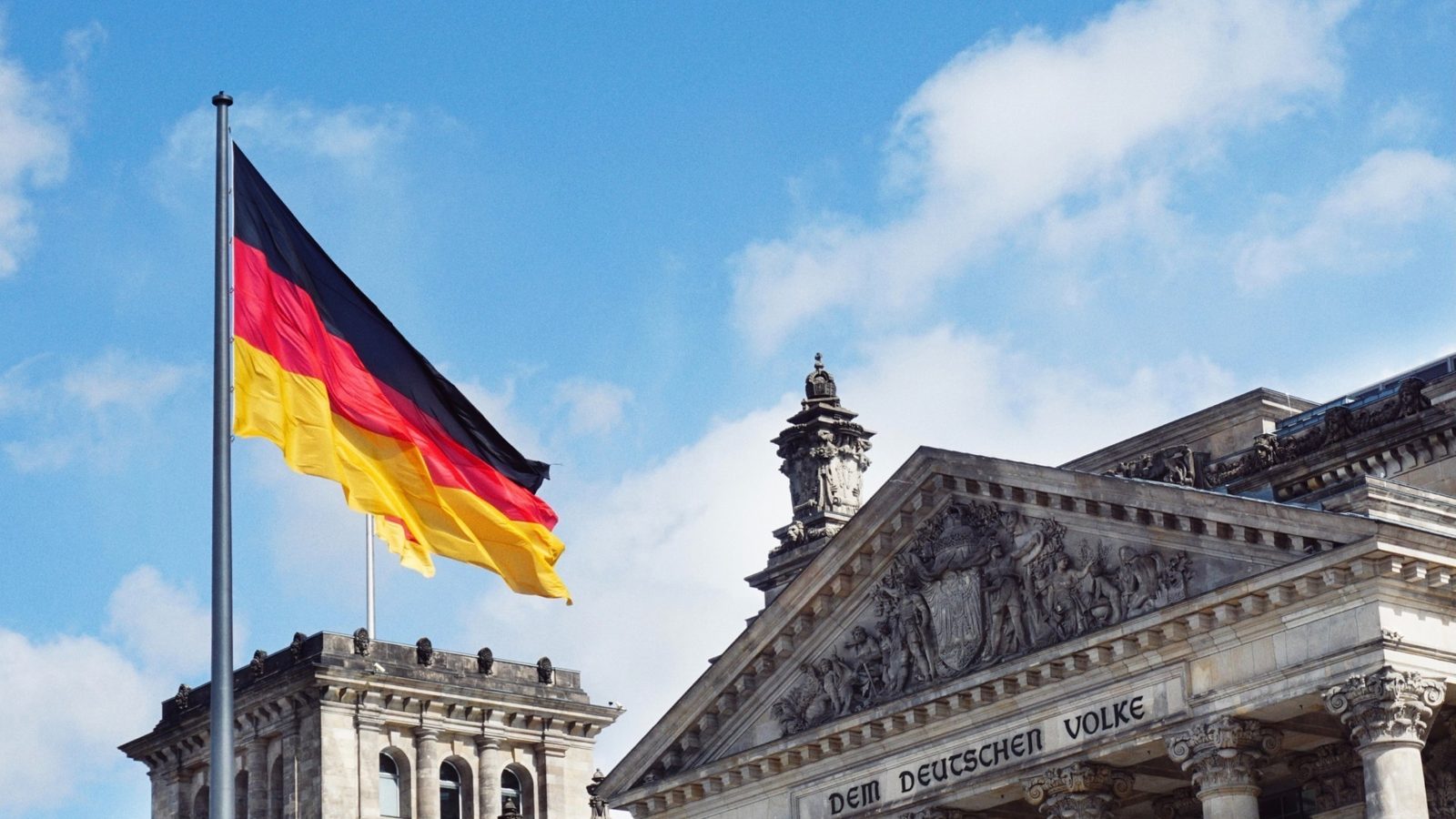
The far-right Alternative for Germany (AfD) is within striking distance of taking power in a German state for the first time since 1949, and all eyes are on Ulrich Siegmund, the party figure at the centre of the surge. Regional elections in Saxony-Anhalt on 6 September could hand AfD a majority if it reaches roughly 41–43 percent while smaller parties fail to pass the threshold.
What a Siegmund victory would change
Analysts say a successful AfD campaign in Saxony-Anhalt would shatter the political firewall other mainstream parties have maintained against the party and would give AfD formal control of provincial government institutions — including influence over police and regional security agencies. The domestic intelligence agency has already classified the AfD branch in Saxony-Anhalt as a right-wing extremist organisation, raising questions about access to and exchange of sensitive files with Berlin and other states.
Ulrich Siegmund, born 25 October 1990 in Havelberg, trained as a wholesale and foreign trade merchant and later studied business psychology and business administration. He entered politics in 2008 as a member of the Christian Democratic Union (CDU) but switched to AfD in 2014, citing disagreement with eurozone policy. He was first elected to the Saxony-Anhalt state parliament in 2016 and re-elected in 2021; since 2022 he has served as one of the leaders of the AfD parliamentary group.
Siegmund presents himself with national symbols and cites Otto von Bismarck as a political model, keeping a portrait of Bismarck in his Magdeburg office. He has also cultivated a large social media following: more than 700,000 followers on TikTok, where he posts short videos on migration, security and everyday issues.
Controversies have followed him. Supporters respond to his shout of "Zig!" with an echoing "Mund!", a play on his name that critics say evokes the Nazi salute. When asked whether the crimes of the Holocaust are the worst in history, he replied that such a reading is "overstated and completely detached from reality." In November 2023 he attended a meeting in Potsdam that included AfD politicians and figures from the extreme right, among them Austrian Martin Sellner; participants discussed the idea of "remigration."
Investigations and reporting have linked Siegmund to concrete local plans such as changes to street aesthetics and pressure on foreign-owned restaurants; he rejected those accusations and said he had no intention "to illegally deport people." Because of his participation in the Potsdam meeting, he was removed in 2024 from the chairmanship of a commission in the state parliament.
Security experts warn of practical consequences if AfD assumes provincial power. Jerg Miller, the former head of the domestic intelligence service in Brandenburg, called the prospect "the worst possible" outcome for German security services, arguing that a provincial minister could gain access to confidential dossiers, including information on informants and materials collected about the AfD itself.
With the vote days away, Siegmund’s rise tests Germany’s postwar political norms: a victory by AfD in Saxony-Anhalt would mark the first time a party of the radical right governs a federal state since the founding of the Federal Republic in 1949, and it would prompt renewed debate about how institutions should respond if an organisation labelled extremist takes executive office.
Photo: press material from the event