Uruguay completes major renewable transition as electricity becomes almost wholly green
After the 2008 crisis Uruguay built a grid where hydro, wind and biomass supply nearly all electricity and a second phase now targets transport electrification.
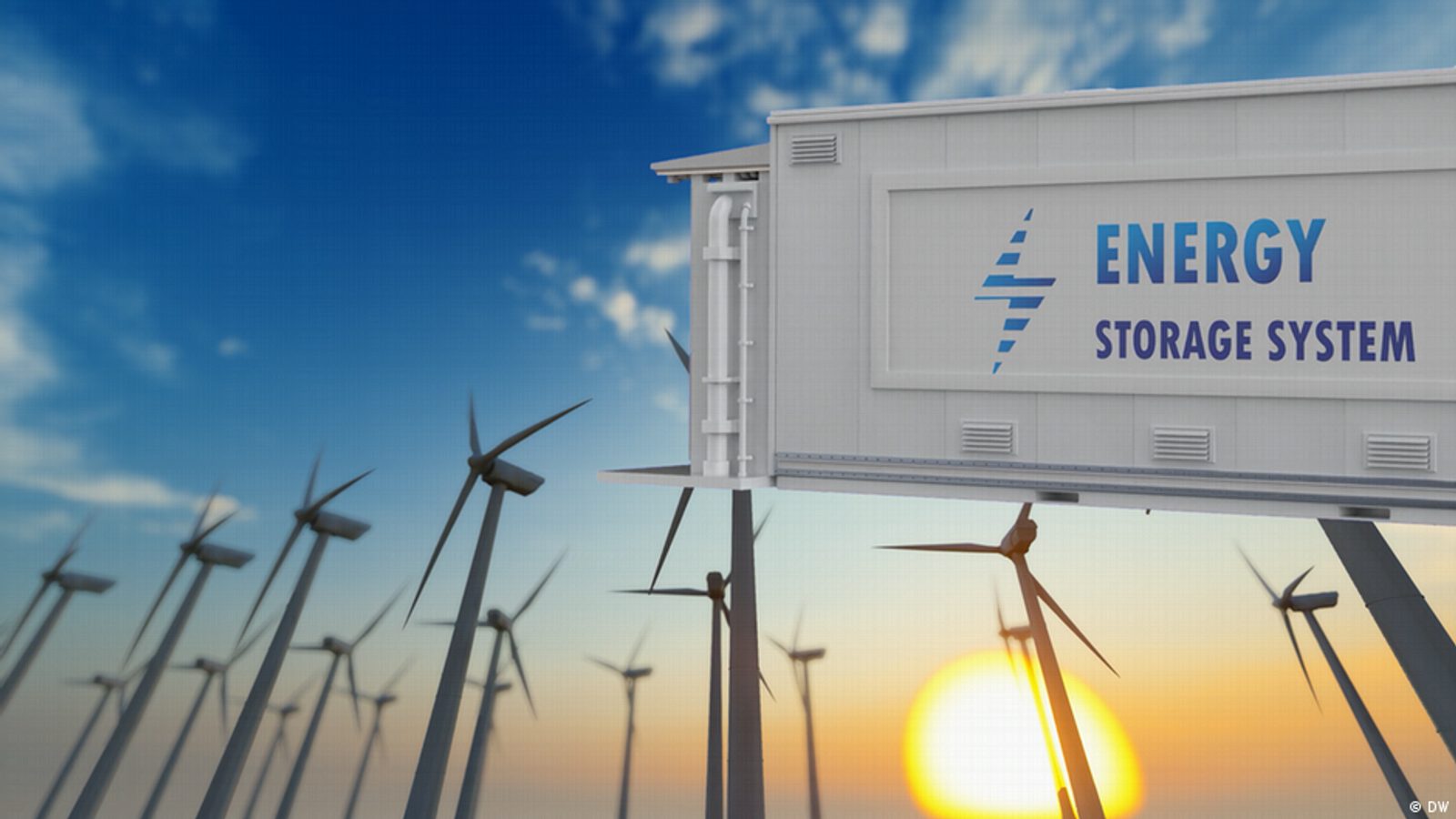
Uruguay has completed a sweeping shift of its power system: renewables now supply almost all electricity and the country is pressing on to electrify transport. What began as a short, costly energy crisis in 2008 has, by 2026, turned into a broad national transition driven by public policy, private investment and an influential energy chief.
From crisis to a mostly green power mix
Today Uruguay—population about 3.5 million—gets roughly half its electricity from hydropower, 30 percent from wind, 15 percent from biomass and 3 percent from solar. The share of fossil fuels in power generation has averaged about 2 percent in recent years, underscoring how rapidly the grid has changed.
“The current electricity mix is practically green. The share of fossil fuels in power generation in recent years averaged only two percent. And this is not only a matter of sustainability, but also of economic viability,” says Fernando Schaikh, whose company SEG Ingeniería operates 75 wind turbines—about ten percent of the country’s total.
The shift began after the 2008 energy crisis, when drought and high prices exposed the system’s fragility. Ramón Mendes, the physicist who later became national director of energy, pushed a comprehensive plan that gathered cross‑party backing and combined regulation, tax incentives and long‑term demand contracts. Between 2010 and 2020 state and private actors invested roughly seven billion US dollars in renewables.
Authorities also involved farmers and universities, ran nationwide information campaigns and created roughly 50,000 jobs tied to the new sector. Demand was legally contracted for 20 years, giving investors revenue certainty and stabilizing costs.
That said, households have not seen a dramatic drop in bills. An average four‑person family pays about 150 US dollars a month for electricity. "We try to use as little electricity as possible because it is expensive. And that will not change so fast," says Luis Andrade.
Transport remains the largest buyer of oil: crude products still account for roughly 35 percent of the country’s total energy mix. The government has begun a second phase of transition focused on mobility. Montevideo’s public operator has been acquiring only electric buses since 2021; today one in four buses in the capital is electric, and the goal is a fully electric bus fleet by 2040.
“Everything there comes from diesel. Diesel engines sweat and leak, the section of the depot with internal‑combustion vehicles is dirty and smelly. Where the charging station for our electric buses is, everything is clean. It is important that difference be visible,” says Enrique Carbonero, who manages a bus depot in Montevideo.
Incentives for taxi drivers and rising electric car sales are accelerating change: nearly 70 percent of recently sold new cars were electric in the past months, and drivers such as Hernan Gomez report big savings—he estimates he now saves about 900 US dollars a month on fuel.
Whether Uruguay’s model can be replicated elsewhere is open to debate. The country benefits from strong wind resources, abundant sunlight, low population density and limited heavy industry—conditions that helped the transition succeed. Ramón Mendes warns that political consensus that underpinned the project is less certain today. “If with every change of government, so to speak, we re‑found the country, in the end we will all lose,” he says.
Photo: press material from the event