Intismerran vaccine plus Keytruda cut melanoma recurrence risk by 42% in large trial
Study shows 38% lower risk of metastasis at two years; MSD and Moderna are in talks with regulators and testing the approach in other cancers.
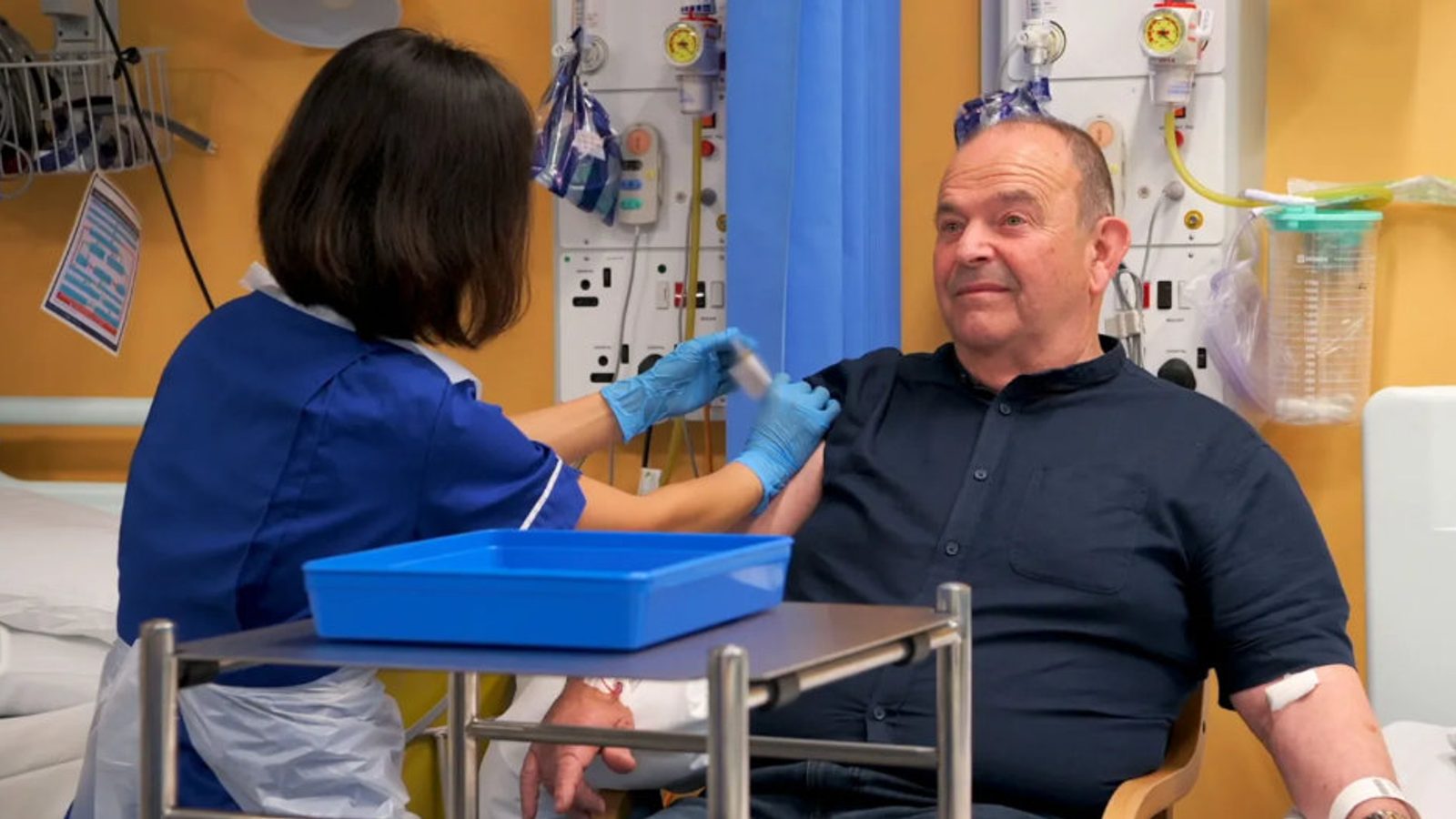
A large randomized trial found that a personalized mRNA vaccine called Intismerran, given together with the immunotherapy drug Keytruda, reduced the risk of death or recurrence of skin cancer by 42 percent.
The study also reported a 38 percent lower risk of melanoma spreading (metastasis) over two years compared with treatment with immunotherapy alone. The pharmaceutical companies MSD and Moderna said they are already testing the same personalized approach in other tumor types, including kidney, bladder and lung cancers.
Intismerran is designed for patients whose tumor has been surgically removed. In the trial 1,137 adults received Keytruda; about two thirds of them were additionally given the experimental vaccine and the remainder a placebo. The vaccine uses mRNA technology similar to some COVID vaccines and is manufactured individually for each patient based on genetic information from their tumor, with the aim of training the immune system to destroy cancer cells if they reappear.
Encouraging early outcomes, longer follow-up needed
Two years after the start of therapy, patients who received the vaccine were significantly less likely to experience a return of melanoma or to develop metastases. Professor Pipa Cori of Addenbrooke's Hospital in Cambridge, who helped lead part of the study, described personalization as a major step and an outstanding technology, while noting that this trial is "the first proof of the concept" and that its practical value still needs to be demonstrated.
The trial included the 75-year-old participant Toni Chepmen, who was diagnosed with a breast-area melanoma in 2019. After the tumor was removed the disease returned under his arm, he underwent another operation and volunteered for the study. As with other participants, he does not know whether he received the experimental vaccine or placebo; three years later he attends six-month check-ups and shows no signs of disease.
MSD and Moderna said they have been discussing results with regulators, indicating they may seek formal approval next year. Widespread use by the UK’s National Health Service would, however, depend on cost because each patient requires individual genetic analysis of the tumor and a bespoke vaccine. The clinical trial will continue to monitor patients for longer-term outcomes, including whether the treatment extends overall survival.
Independent experts called the results highly positive but urged caution until long-term survival data are available. Professor Alan Melcher of the Institute of Cancer Research in London said the study provides important proof of concept but warned it would be premature to assume the method will be equally successful across all cancers.
Shares in MSD and Moderna rose over the summer after initial announcements about the vaccine, but investors began selling on Thursday after financial analysts judged the results were not as strong as those from an earlier, smaller trial.
Photo: Bolnica Adenbruk)