Kristal 1923 buys 6,600 tonnes of sunflower seed — 600 tonnes from Greece for the first time
Veles oil mill processed 4,100 t domestic seed; total purchases down from 7,300 t last year amid VAT and subsidy concerns.
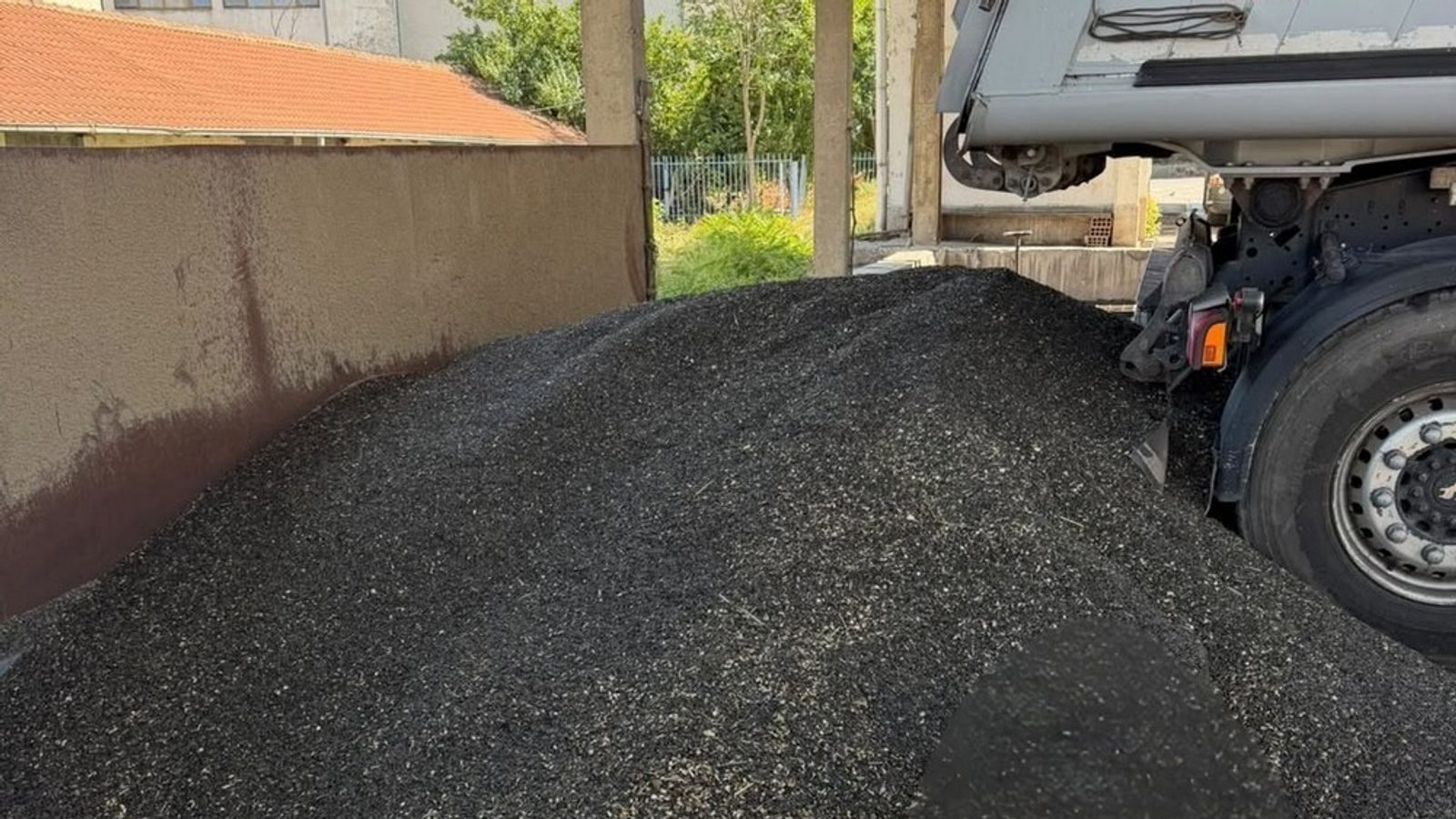
The Veles oil mill Kristal 1923 purchased 6,600 tonnes of sunflower seed this season, of which 4,100 tonnes came from North Macedonia, 1,100 tonnes from Serbia, 800 tonnes from Kosovo and, for the first time in the company's long history, 600 tonnes from Greece. The total volume is smaller than last year, when 7,300 tonnes were processed.
Factory warns of production and labour risks
"All of this year's Macedonian crop ended up in the factory, although in previous years part of it was sold to Greece. This year we purchased sunflower from there for the first time. This quantity is enough for production for two and a half to three months. We are the only factory for edible oil in North Macedonia that processes sunflower. About 40 years ago the factory purchased 40,000 tonnes of sunflower and processed it for 12 months," says Olgica Stojanova, production director at Veles's Maslodajna.
Factory managers say the lower intake is already affecting operations. Three years after the VAT on sunflower was raised to 10 percent, the tax rate has not been lowered despite protests by the plant, and managers argue this harms both growers of the industrial crop and the country's sole sunflower-based edible oil producer. By contrast, VAT on imported crude oil is only five percent; the leadership describes the existing tax treatment as an illogical economic decision by the previous government that has not been corrected by the current one.
"We have a problem with extraction because employees are engaged for only three months. It's specific work with hexane; not everyone can do it — it requires training of 2–3 years — and if the reduction in sunflower purchases continues, it will be more profitable for us to buy unrefined oil and process it like the other factories in the country. If we abandon sunflower and stop processing it, it is unlikely to return to Macedonian fields. It will suffer the fate of cotton and sugar beet," says Goran Lazov, director of Kristal 1923.
Farmers use sunflower in crop rotation to preserve yields. Agronomists note that rapeseed could serve a similar role, but it is barely cultivated in the country even though it yields good-quality edible oil.
"Subsidies were reduced from 200 euros per hectare to 100 euros, and the premium of five denars per kilogram for delivered sunflower was abolished. Only 'Maslodajna' pays all obligations on time. This year's yield depends on the region: in some places it was good, about one and a half tonnes per hectare; elsewhere poor, 800 kilograms per hectare. There is no rule — it depends on the soil and weather conditions," said Mitat Ismailovski, a farmer from Pelagonia.
Both growers and Kristal 1923's management expect the government and the Ministry of Agriculture to adopt a clear strategy to support the sector, arguing that without policy action imports will grow at the expense of domestic production that already receives substantial subsidy funds.
Photo: SDK.MK)