J.D. Vance: Iran must sharply cut uranium enrichment to reach a deal
Vance demands verifiable reductions in uranium enrichment as the central condition for any agreement to end the seven‑month war.

U.S. Senator J.D. Vance said Iran must sharply reduce its uranium enrichment capacity if Washington’s demands are to be met and a deal is to be reached to end the seven‑month war between the two countries.
Vance sets enrichment level as the central test
Vance told reporters that the United States is willing to negotiate with Tehran, but that talks must produce concrete, verifiable steps on Iran’s nuclear program rather than only promises. He framed the core issue succinctly: "We will not trade words for deeds," he said, pointing to the enrichment level of uranium as the decisive measure.
According to Vance, if Iran has no intention of building a nuclear weapon, there is no justification for producing uranium enriched to high levels.
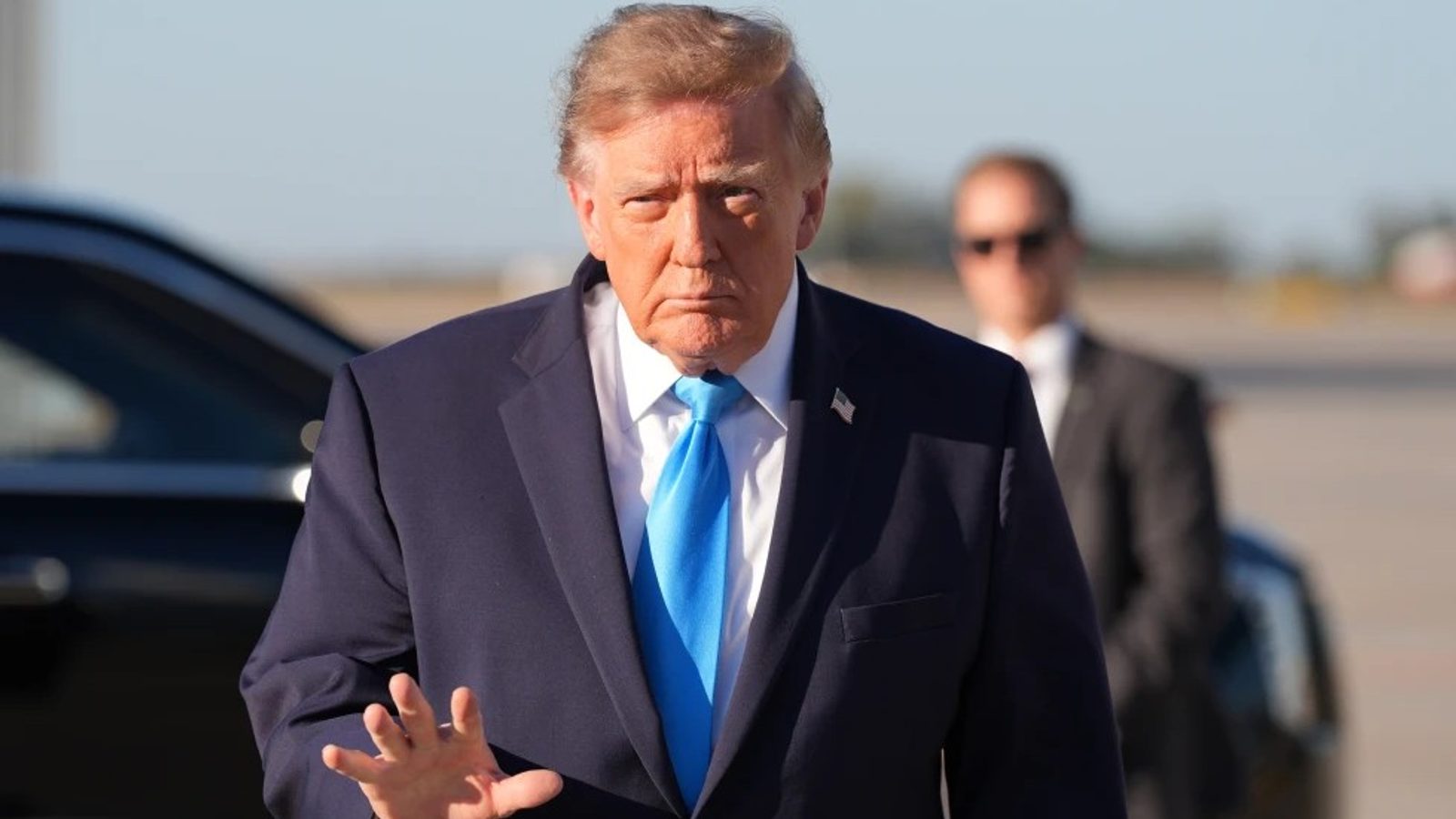
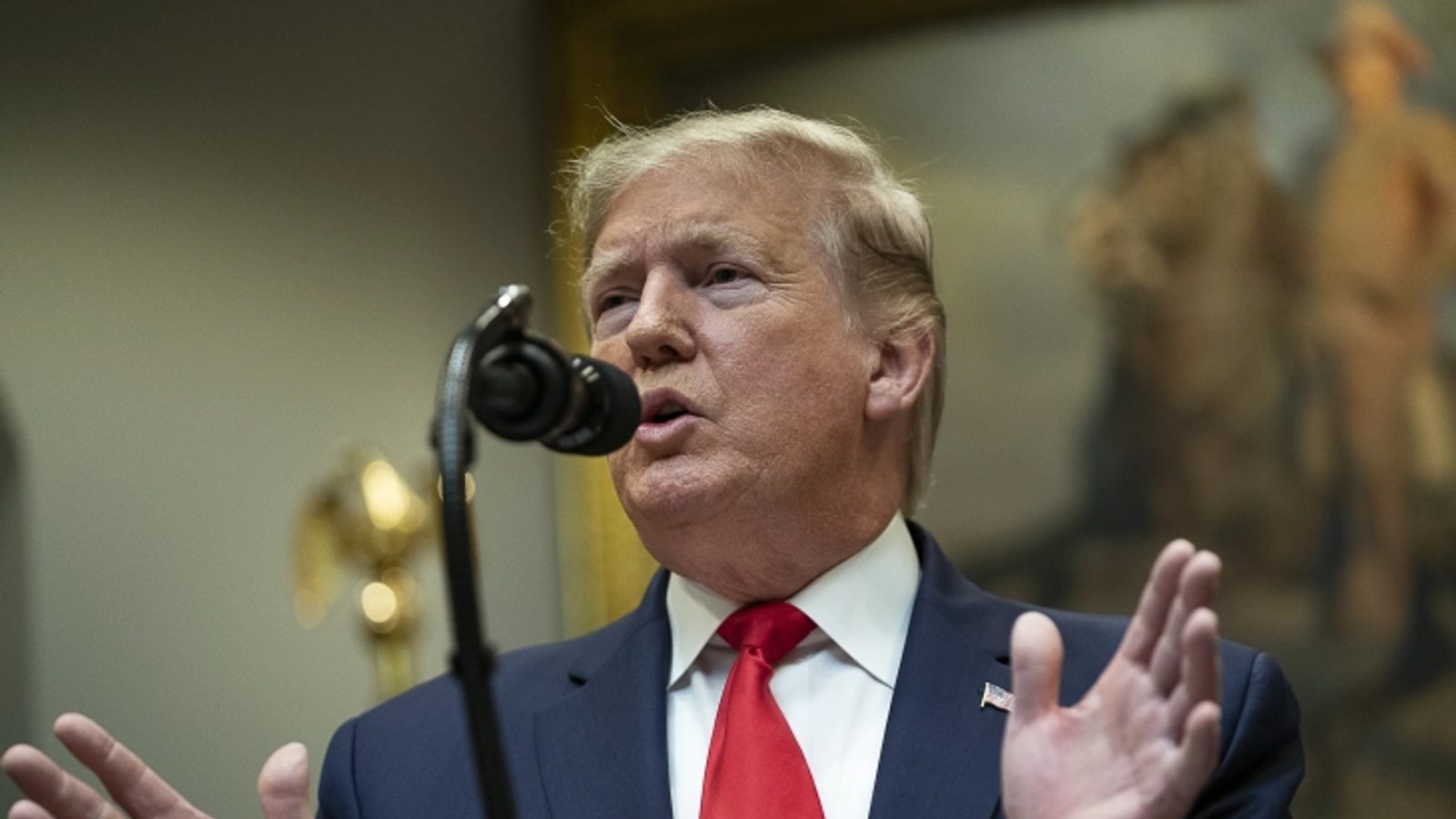
In recent weeks Washington and Tehran have exchanged proposals aimed at a ceasefire and reopening the Strait of Hormuz, a key route for global energy shipments. President Donald Trump rejected Iran’s most recent proposal and warned that military activity could intensify after the November midterm elections in the United States.
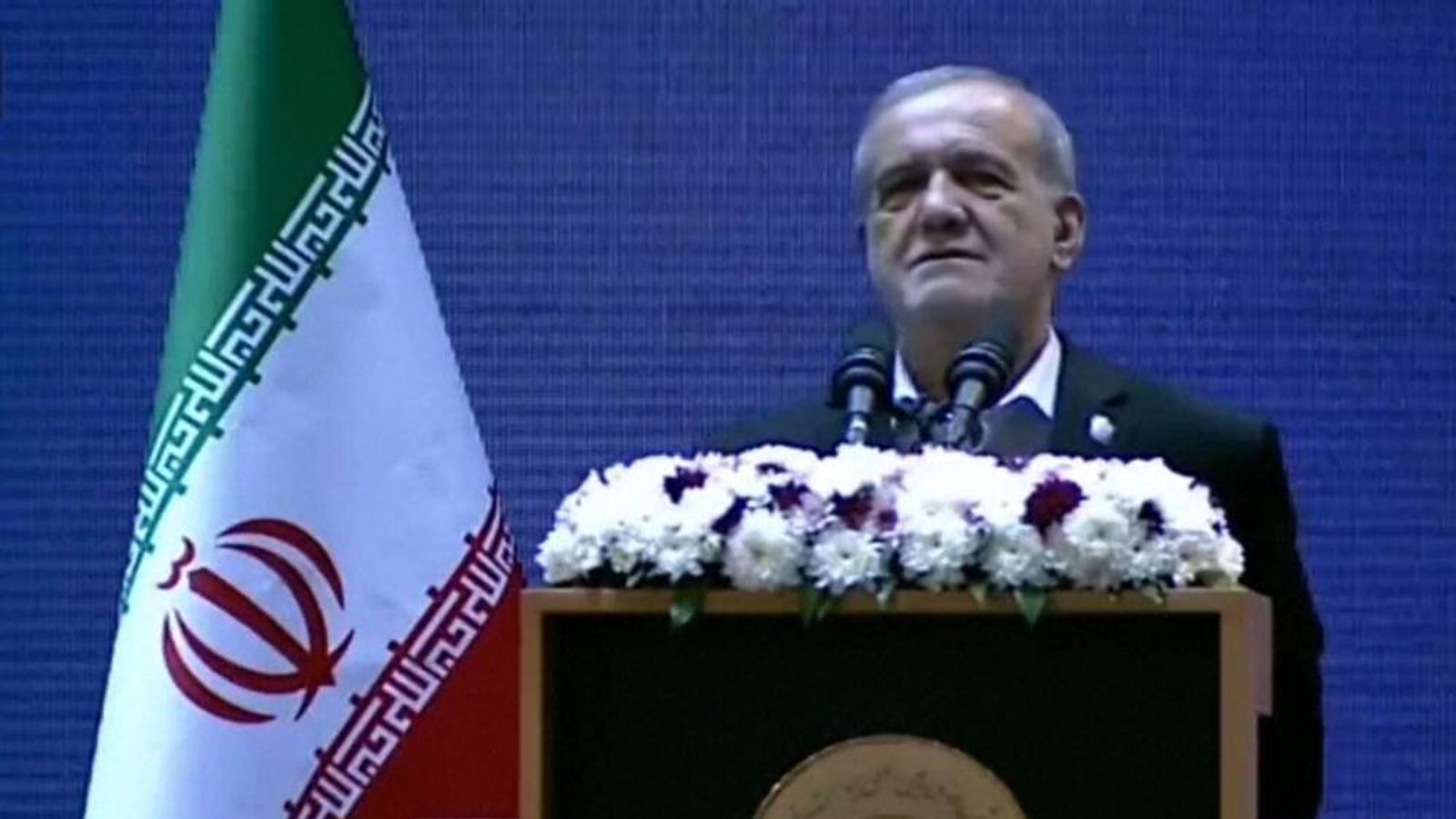
Vance said U.S. officials continue to hold talks with Iran’s president, Masoud Pezeshkian, and Foreign Minister Abbas Araghchi. He added, however, that American negotiators are not entirely sure who holds final decision‑making power in Tehran or what authorities those two officials retain after Supreme Leader Ayatollah Ali Khamenei was killed in U.S.-Israeli strikes at the start of the war.
Iran’s Foreign Ministry spokesman Esmaeil Bagai responded that U.S. officials know their Iranian counterparts and the decision‑making processes in Iran, and that the fundamental problem lies in opposing positions and mixed messages from the American side.
Vance also said he has spoken directly with commanders on the ground to assess battlefield conditions. He dismissed concerns about shortages of key munitions and judged that while Iranian forces can at times strike commercial vessels in the Strait of Hormuz, they generally lack the capacity to halt energy exports through the passage.
The conflict is costing the United States roughly three billion dollars per month and has become a central issue in the campaign ahead of November’s midterm elections. Rising energy prices are creating political headaches for Trump and Republicans in battleground states where control of Congress is at stake. Vance — widely considered a possible Republican presidential contender in 2028 — said he has not yet decided whether he will run. "I really haven't thought much about it," he added.
Photo: press material from the event