Vice‑Chancellor Andreas Babler faces scrutiny as SPÖ falls to 16% in polls
The Social Democratic Party stands at 16% in recent polls; vice‑chancellor Andreas Babler faces questions in an ORF summer interview tonight.
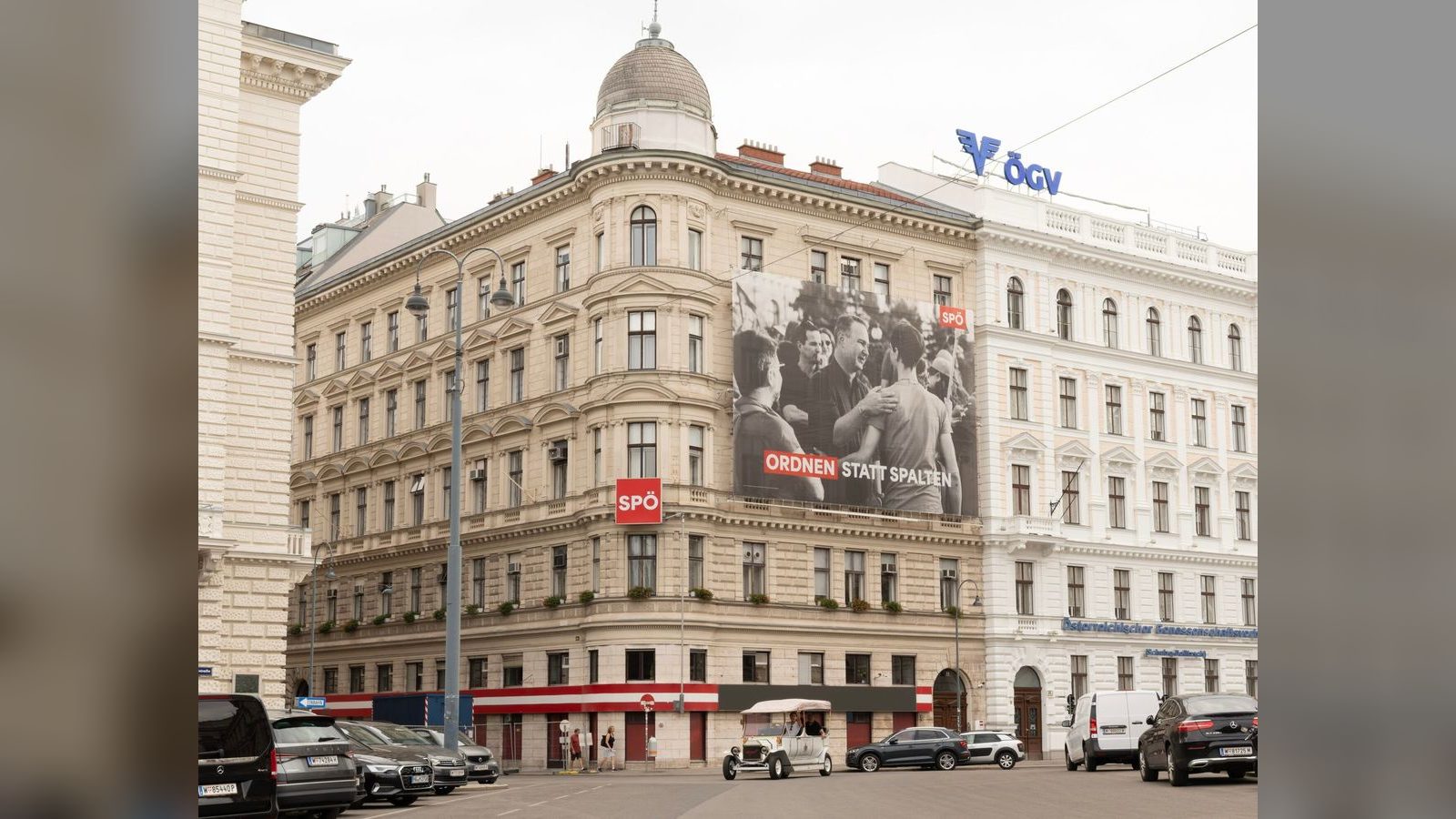
Austria's vice-chancellor Andreas Babler will have to answer for a steep drop in support after new polls put the Social Democratic Party of Austria (SPÖ) at just 16 percent. The party had hoped that government work and a reduction in internal conflicts would lift its popularity, but the trend has gone the other way and the SPÖ continues to lose ground since its historically weak showing at the last parliamentary elections.
Party leaders expect Babler to address the slump in his summer interview on the Austrian Broadcasting Corporation (ORF) tonight. Critics point fingers in different directions: some blame Babler’s leadership, while others argue the SPÖ is trapped by a narrow coalition, scarce funds and an increasingly polarized political climate.
Pressure from inside and outside
The SPÖ’s current poll figure is five percentage points below its result at the previous parliamentary vote. The most vocal internal critic remains Burgenland governor Hans Peter Doskozil, who has publicly argued that Babler is not fulfilling his duties as party leader and that the party fails to communicate clearly on issues that worry voters, notably migration.
Babler promised in March that the SPÖ would adopt a more assertive and clearer stance on migration, but that shift has so far failed to produce a visible political turnaround. Meanwhile, The Greens have gained ground in polls — an uncomfortable development for the SPÖ given the long-standing flow of voters between the two parties — and high summer temperatures have pushed the climate crisis back onto the public agenda, a dynamic that tends to favor the Greens.
Despite the negative headlines, the SPÖ has pushed a range of government measures: strengthening public health services, easing inflationary pressure, limiting electricity price increases and trying to curb rent growth. The problem is that, given limited budgets and coalition resistance, many of those measures have been smaller in scope than the public expected, and results sometimes fall short of political hopes.
As the SPÖ’s role as the only left-leaning partner in the coalition, it frequently encounters opposition from the Austrian People’s Party (ÖVP) and NEOS. Budget constraints meant the government could not cut VAT on all food products; the reduction was narrowed to a small selection of items and designed in a way that added administrative work for retailers. Even when statistics show some effect on inflation, critical narratives often resonate more strongly with the public.
Research from the University of Graz’s political monitoring assigns the SPÖ the least capacity to implement its election promises within the coalition. Still, a better record would not automatically translate into higher popular support — polls show the ÖVP has also slipped. Inside the SPÖ some argue that any leader would face the same cramped coalition dynamics, clashing ideologies and financial limits.
Changing the party leader now would be risky: a successor would inherit the same coalition constraints and would have limited time to craft a distinct program ahead of the 2029 election. If the SPÖ’s rating remains at this level until the 2029 vote, Babler’s position will likely be difficult to sustain; a pre-election leadership change would require the party to demonstrate a clear new political offer rather than a purely personal swap. For now, Babler remains under strong pressure to show the current drop is not the start of a long-term decline for the SPÖ.
Photo: Wikimedia-Commons-700x466.jpg')