Heat advisory to August 7 — Institute urges avoidance of direct sun from 11 a.m. to 5 p.m.
Institute of Public Health calls on citizens to follow heat‑safety guidance as temperatures remain high through August 7.
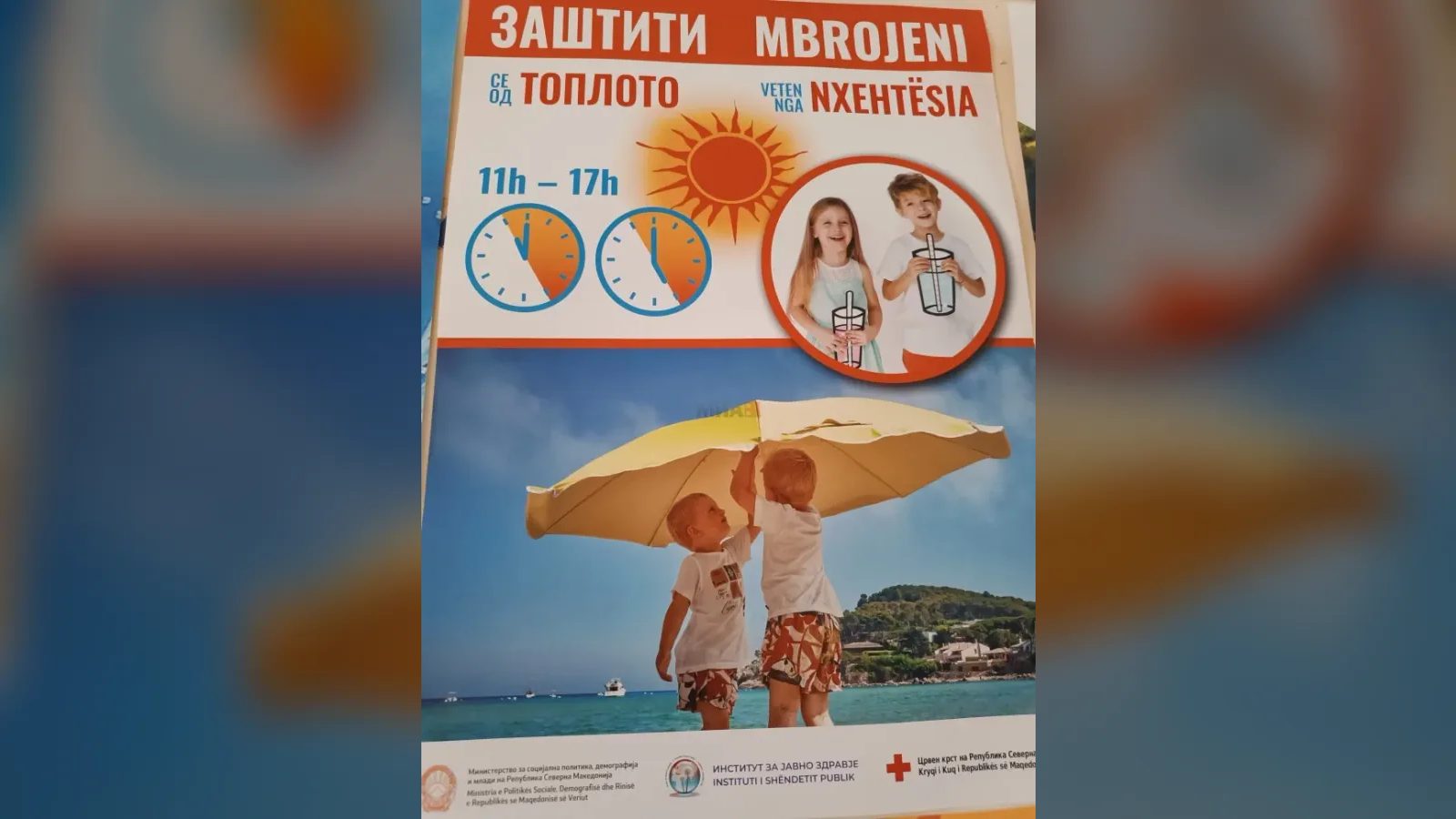
The Institute of Public Health has warned of elevated temperatures across the country through August 7 and urged residents to follow heat‑safety measures, especially during the hours of greatest solar exposure between 11 a.m. and 5 p.m.
Health officials note that as the ambient air temperature approaches or exceeds the normal human body temperature of roughly 36.7°C, the body’s ability to cool itself diminishes. High relative humidity further hampers sweat evaporation and reduces cooling, increasing risk of heat‑related illness. Early signs include weakness, dry mouth, dizziness, nausea, heavy sweating, dry skin and muscle cramps; in severe cases of "heat stroke" symptoms can progress to absence of sweating, extremely hot skin, confusion, rapid heartbeat, difficulty breathing, fainting and even death.
Who is at higher risk and what to avoid
The institute highlighted groups that require special caution: people over 60, pregnant women, children, socially vulnerable individuals, outdoor workers and those with chronic conditions such as cardiovascular, pulmonary or renal disease, diabetes, mental illness and obesity. Certain medicines — diuretics, some antiepileptic drugs and some Parkinson’s treatments — may increase risk by altering fluid balance.
Recommended daily precautions include staying out of direct sun and postponing outdoor efforts between 11 a.m. and 5 p.m., wearing light-colored breathable clothing, sunglasses and a wide‑brim hat, and remaining in air‑conditioned or otherwise cool indoor spaces. Close windows and blinds during the heat of the day and ventilate at night when temperatures fall. Eat moderate portions, avoid fatty or very sugary foods, and hydrate regularly with water or still mineral drinks while avoiding alcohol, caffeinated beverages and very cold drinks. If you must remain in a parked vehicle, open a window briefly to ventilate — and never leave people, especially children, inside a closed car.
For relief at home, shower with lukewarm water, apply cool compresses or immerse feet in cool water. People with chronic illnesses should be particularly disciplined about these measures and continue prescribed medication; contact your primary care physician for any changes in health status.
Officials also provided explicit steps to take if someone becomes unwell: "If you feel dizzy, weak, agitated or have intense thirst and headache, seek help, move to a cooler place as soon as possible and measure your body temperature. Drink water or a non‑carbonated mineral beverage to rehydrate. If you have a painful muscle cramp, most often in the legs, arms or abdomen, immediately rest in a cool place and drink a liquid containing electrolytes. Medical help is necessary if heat cramps last longer than one hour. If a family member or a person you are assisting has hot, dry skin, cramps and/or is unconscious, call 194 or 112 immediately — while waiting for emergency services, move them to a cool place, lay them flat and raise their legs by more than 20 centimetres," the Institute advised.
They also warned caregivers to remove unnecessary clothing, apply cold compresses to the neck, armpits and groin, keep the skin wet and do not administer medication unless instructed by a doctor. If the person is unconscious, place them in the recovery position and consult a physician for any persistent or unusual signs.
Photo: press material from the event