UN human rights chief warns that control over AI rests with a few
At the opening of the 63rd UN Human Rights Council session in Geneva, the High Commissioner warned of concentrated AI power and called for red lines.
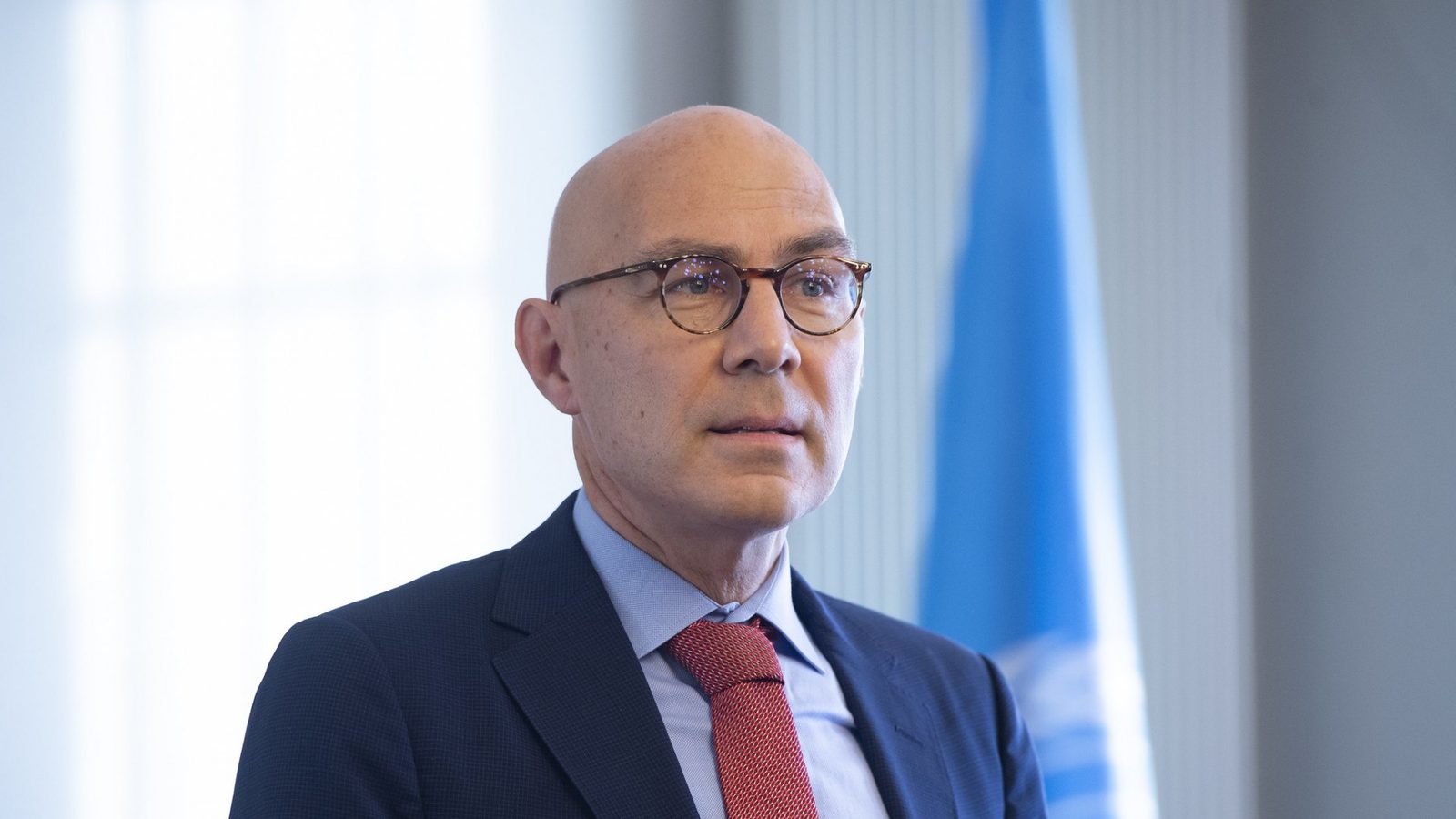
On 14 September 2026 in Geneva, United Nations High Commissioner for Human Rights Volker Türk told delegates at the opening of the 63rd session of the UN Human Rights Council that control over artificial intelligence is concentrated in the hands of very few.
Calls for red lines and immediate safeguards
Türk warned bluntly that "A handful of men have nearly unlimited power over AI," and said that this concentration of influence gives major technology firms and the people behind them disproportionate sway over systems that increasingly shape everyday life.
He argued that postponing clear regulations and oversight mainly serves the interests of large tech companies, their owners and executives, who benefit when rules are weak or absent.
Highlighting the stakes, Türk said advanced AI systems may pose serious — and even existential — risks to humanity if development proceeds without adequate safety mechanisms in place.
The High Commissioner urged states to agree on clear "red lines" for AI use and development and to adopt strong guarantees to secure the technology. He also announced plans to address AI-developing companies directly and to press them to take immediate steps to reduce risks.
Türk stressed that AI is no longer only a technical issue: it is also a matter of who controls the technology, who holds citizens' data, and who will set the rules that govern its future operation.
Photo: press material from the event