Government approves €1.3 billion borrowing to be executed in 2027
The Ministry of Finance says proceeds will finance the 2027 deficit and repay maturing obligations including the 2023 Eurobond.
The Government has approved a new international borrowing operation of €1.3 billion that the Ministry of Finance says will be executed during 2027. Officials in the minister's office said part of the proceeds will cover the budget deficit for 2027 and repay obligations coming due from previous loans.
Planned use: deficit financing and maturing Eurobond
From the cabinet of Minister Gordana Kochovska Dimitrievska officials told TV24 that the funding is intended to cover next year's budget shortfall and to settle maturing debt. The Ministry of Finance stated: "The funds will be used to finance the budget deficit for 2027 and to repay obligations maturing from previous borrowings, including the Eurobond issued in 2023 that matures in 2027. The planned borrowing is in line with the Fiscal Strategy and the Public Debt Strategy. Public debt, according to the latest published data as of 30 June 2026, amounts to 58.8% of GDP and recorded a decrease of 0.1 percentage points compared to the level of public debt in the first quarter of 2026."
Opposition party Levica reacted strongly, accusing the authorities of increasing public debt since taking office and of using new borrowing to postpone costs for the future. Levica stated: "The burden of this policy does not disappear with new borrowing, but is shifted into the future. The more funds are allocated to interest and repayment of old debts, the less room remains for health care, education, social protection, infrastructure and productive investments. IMF. Instead of structural economic reforms, citizens receive new debts and an ever greater cost for servicing them," which the party linked to the new €1.3 billion plan.
SDSM also criticised the move, alleging the funds are being raised for election-related purposes while the state treasury is depleted. Prime Minister Hristijan Mickoski, by contrast, highlighted economic indicators, saying the Macedonian economy recorded real growth of 4.3 percent in the second quarter and that inflation over the past two months is roughly 50% lower than the European average.
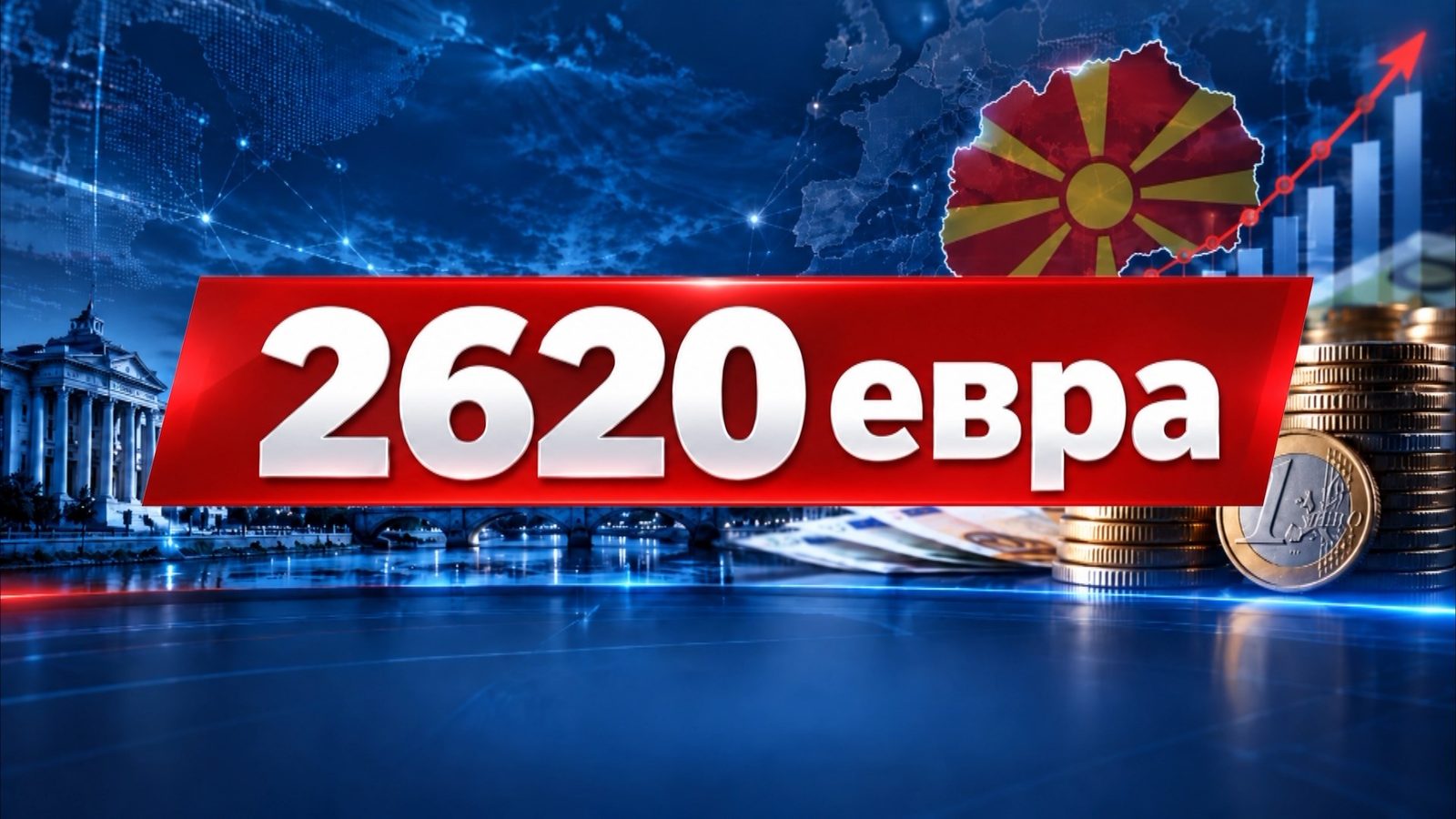
Official statistics for 2026 place public debt above €10.7 billion, near 60% of GDP. Calculations of net external debt per capita indicate a burden of about €2,620 for every resident. At the end of June, North Macedonia's external debt stood at €4,763 million, which rose by €30 million over the following three months.
Photo: press material from the event