Germany: People with migration background more than twice as likely to live in poverty
Report shows 27% of people with migration background in Germany live below the poverty threshold, with children and older adults especially affected.
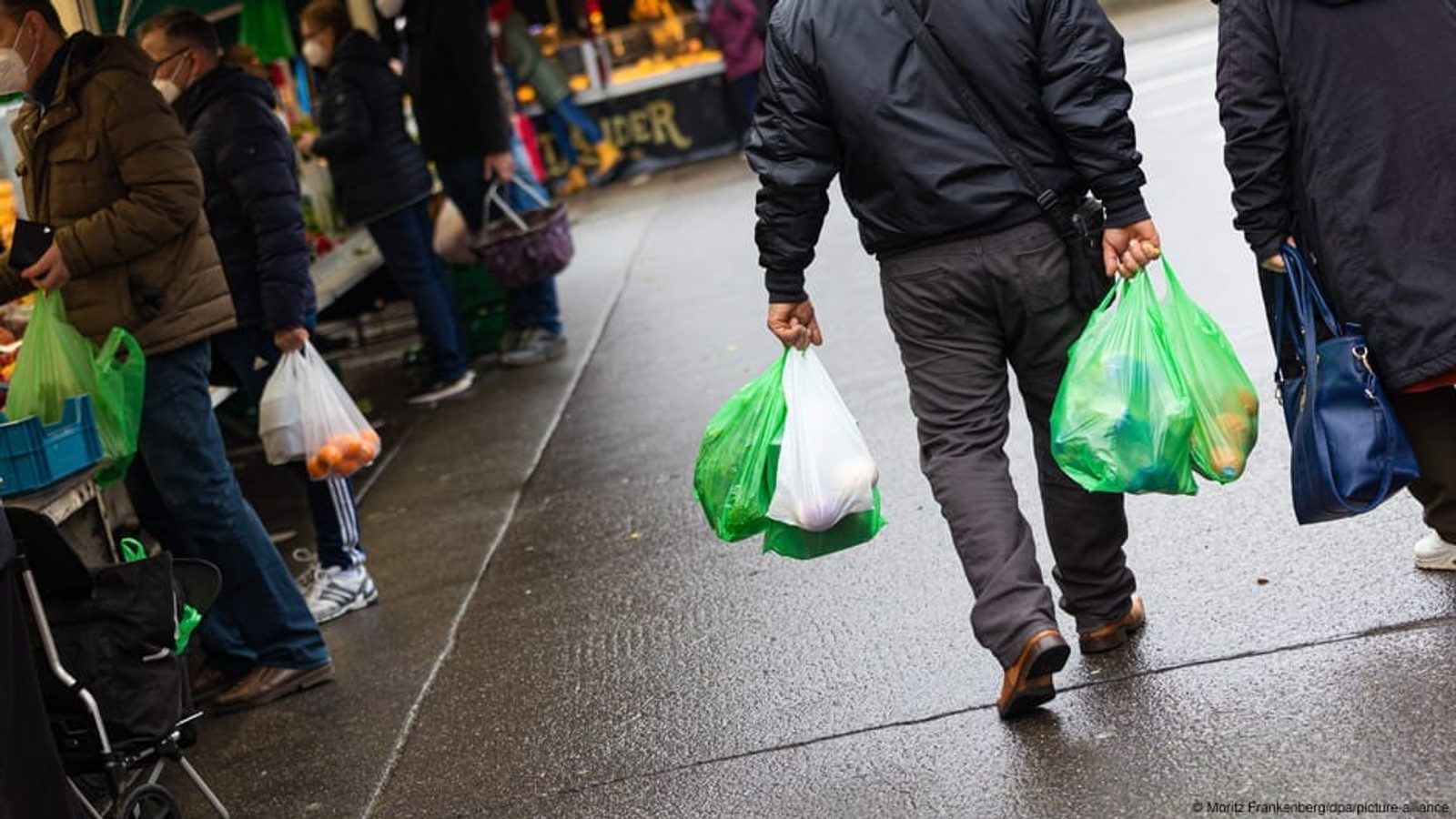
A new report presented on November 26, 2026, finds that people with a migration background in Germany are more than twice as likely to live in poverty as those without such a background. According to the Paritätischer Gesamtverband, 27 percent of people with a migration background fall below the poverty threshold, compared with 12 percent among people without a migration background.
Children are hit especially hard: about 33 percent of children with a migration background are affected by poverty, a rate the report describes as nearly four times higher than for children without a migration background.
Employment does not offer the same protection against poverty for everyone. Among employed people with a migration background, 14 percent are classified as poor, while the share is 7 percent among employed people without such a background.
Structural inequalities across the life course
The gap remains wide in older age: in the 65-and-over group, 36 percent of people with a migration background live in poverty, compared with 17 percent of those without a migration background. The report also highlights gendered effects—women with a migration background who have completed upper secondary education face poverty at a rate of 21 percent, a level comparable to women without a migration background who only completed primary education.
The authors of the report point to cumulative structural disadvantages as a root cause. The report calls for stronger protection against discrimination, faster and simpler recognition of foreign diplomas and qualifications, adequately funded language courses and accessible advisory services.
Katja Kipping, executive director of the Paritätischer Gesamtverband, warned: "Where diplomas are not recognised, wages are insufficient, residency remains insecure, and exclusion is part of everyday life, the preconditions for poverty are set." She added: "Those preconditions can be changed, for example through rapid recognition of qualifications, language courses for everyone from the outset and a minimum wage people can live on." The report defines people with a migration background as those who themselves, or whose two parents, moved to Germany after 1950; poverty is defined as household income below 60 percent of the national median.
Photo: press material from the event